Table of Content
Choosing the wrong blade steel for your copper wire granulator can result in shattered knives, catastrophic chamber damage, or crushing regrinding costs. D2 and SKD11 are comparable cold-work tool-steel grades; proprietary DC53 is a distinct modified grade. Select the material, heat treatment and hardness for the machine and feedstock, and compare service life using application-specific test records. A universal 35% advantage does not follow from these grade names. Understanding the metallographic trade-off between hardness, carbide grain size, and impact fracture toughness is essential to achieving the lowest operating cost per ton granulated.
What metallurgical wear mechanisms destroy copper granulator knives?
Knife wear and damage depend on the feedstock, contamination, cutting geometry, material, heat treatment and operating conditions. Abrasive constituents and repeated cutting loads can contribute to edge wear or chipping; inspect the actual failure mode rather than assuming only two universal mechanisms.
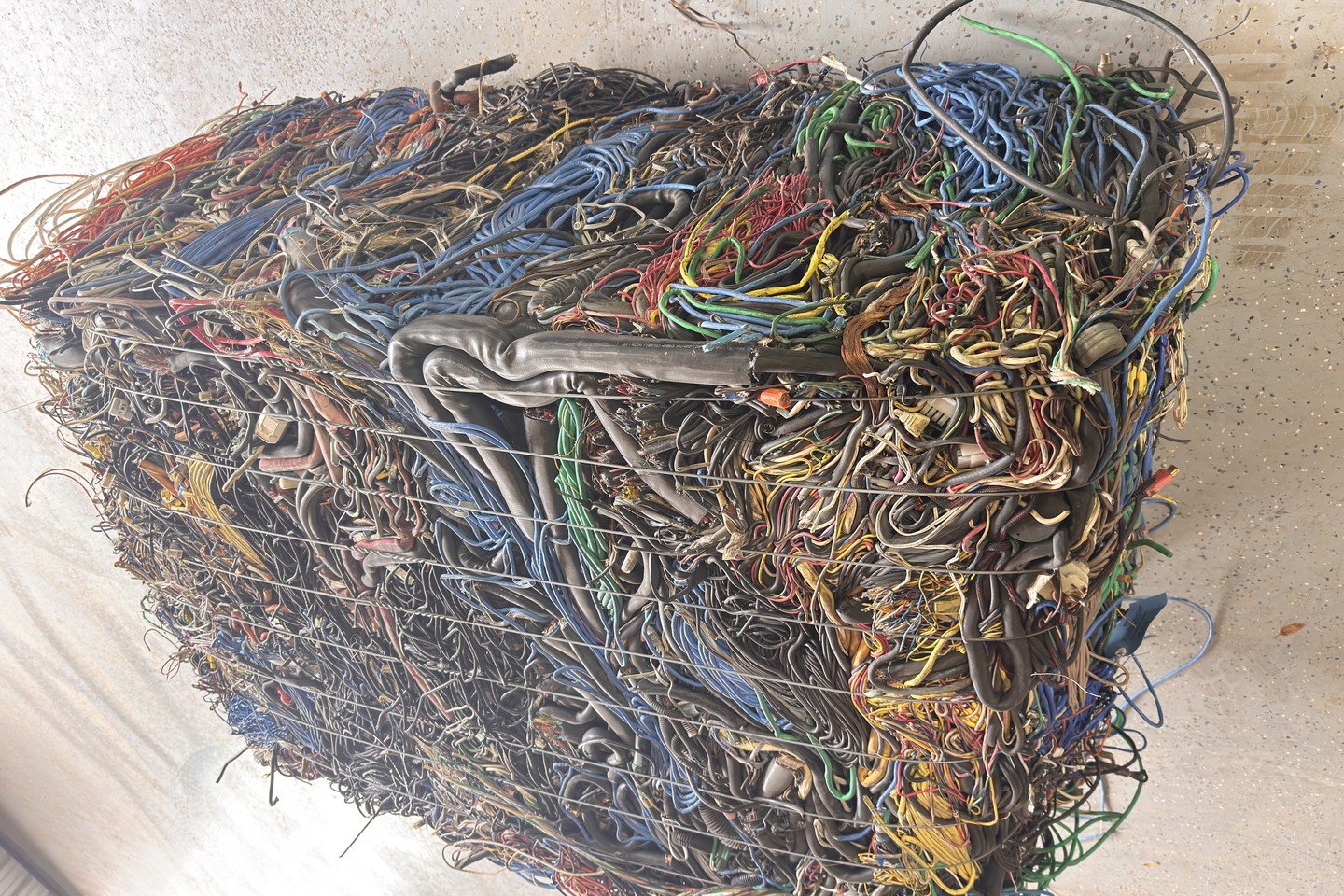
Abrasive polymer matrix erosion, work-hardened copper impact, and edge micro-chipping
A granulator cutting knife operates under extreme tribological stress. While operators often assume that soft copper wire cannot wear hard tool steel, real-world scrap cable presents severe degradation forces:
- Fillers and Contamination: Cable formulations and scrap contamination vary. Abrasive constituents can contribute to edge wear, but a universal filler percentage, cutting-edge radius or 80–120 hour wear interval is not established. Record feed composition, operating hours or processed mass, and measured knife condition for the application.
- Cutting Loads: Conductor size, material condition, bundle geometry, knife clearance and feed rate affect cutting loads. Plastic deformation can change copper’s properties, but it does not establish a universal 400–500 MPa pressure at the knife edge. Use the machine limits and application-specific evidence.
- Edge Chipping: Chipping can involve material toughness, heat treatment, geometry, mounting, contamination and operating loads. Inspect damaged knives and related components using the approved maintenance procedure; do not attribute every chip or change in motor current to one mechanism.
How do AISI D2 and JIS SKD-11 tool steels compare in granulator applications?
D2 and SKD11 are comparable high-carbon, high-chromium cold-work grades, while DC53 is a distinct modified grade. They should not be combined into one chemical composition or a universal toughness rating. Daido’s technical data identifies the grade relationships; verify the supplied steel certificate and heat-treatment record rather than inferring production method or service life from the grade name.
Alloy chemistry, carbide morphology, secondary tempering, and Charpy impact resistance
For decades, AISI D2 has served as the baseline workhorse steel for industrial scrap recycling equipment. SKD11 is a comparable grade, while DC53 has a distinct composition and property balance. No universal ranking of granulator life or cost follows without controlled application-specific evidence.
- Carbide Structure and Toughness: Carbide size and distribution can affect wear resistance and fracture behavior, but grade names alone do not predict chipping in a particular granulator. Compare verified material and heat-treatment records, blade geometry and application-specific test results.
- Grade and Processing Verification: SKD11 does not inherently specify vacuum induction melting or double D2’s toughness. Check the actual grade, manufacturing route, heat treatment and test method. DC53 manufacturer data concerns DC53, not all SKD11 material.
- Lifecycle Shearing Endurance: Compare blade life on defined feedstock, knife geometry, hardness, clearance and maintenance criteria. The stated 35% runtime advantage requires a documented comparative trial and is not established by grade equivalence.
What should be checked before selecting cemented-carbide granulator knives?
Cemented carbide grades have a range of hardness and fracture toughness governed by composition, binder, grain size and design. They do not have near-zero fracture toughness, and impact does not inevitably cause shattering. Use tooling approved for the application and contamination risk; do not retrofit on hardness alone.
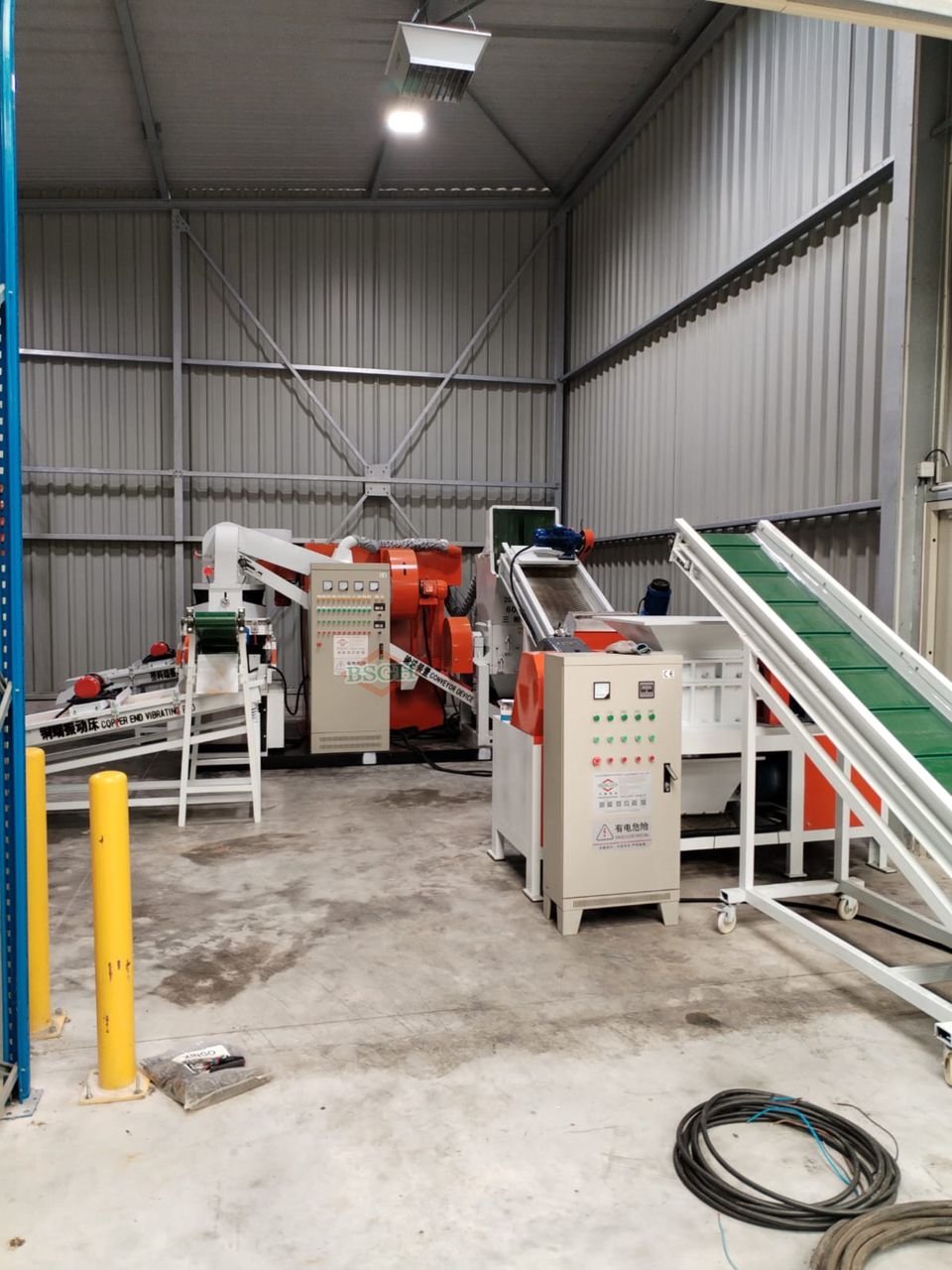
Fracture mechanics, tramp metal shock loads, and thermal compatibility
Before retrofitting solid cemented-carbide or carbide-tipped knives, obtain approval from the machine and tooling suppliers for the exact grade, geometry, mounting, operating loads and contamination risk:
- Impact and Grade Selection: Cemented tungsten carbide is a composite with a grade-dependent wear/toughness balance. Impact tolerance depends on grade, geometry and mounting; neither automatic carbide shattering nor harmless tool-steel deformation can be assumed.
- Thermal Compatibility: Different thermal expansion and clamping requirements must be evaluated by the machine and tooling suppliers. Expansion-coefficient differences alone do not prove inevitable bolt loosening or knife clash.
- Sharpening and Lifecycle Costs: Confirm the blade manufacturer’s approved regrinding process, repair limits and qualified service providers. Obtain current quotations for sharpening, transport and replacement, and include downtime when comparing lifecycle cost; a universal per-blade sharpening price is not established.
What is the proper grinding and LOTO installation protocol for granulator knives?
I provide a strict safety and maintenance procedure for regrinding blade angles and installing fresh knives with zero-energy verification. Use the blade and machine manufacturers’ approved grinding process, bevel, minimum dimensions, fastening and clearance specifications. Before access, trained personnel must isolate and lock out hazardous energy, control stored energy, secure rotor movement with the approved method and verify isolation under the applicable procedure. Generic 45° bevels, 0.01 mm passes or 0.18–0.22 mm gaps are not universal safe instructions.
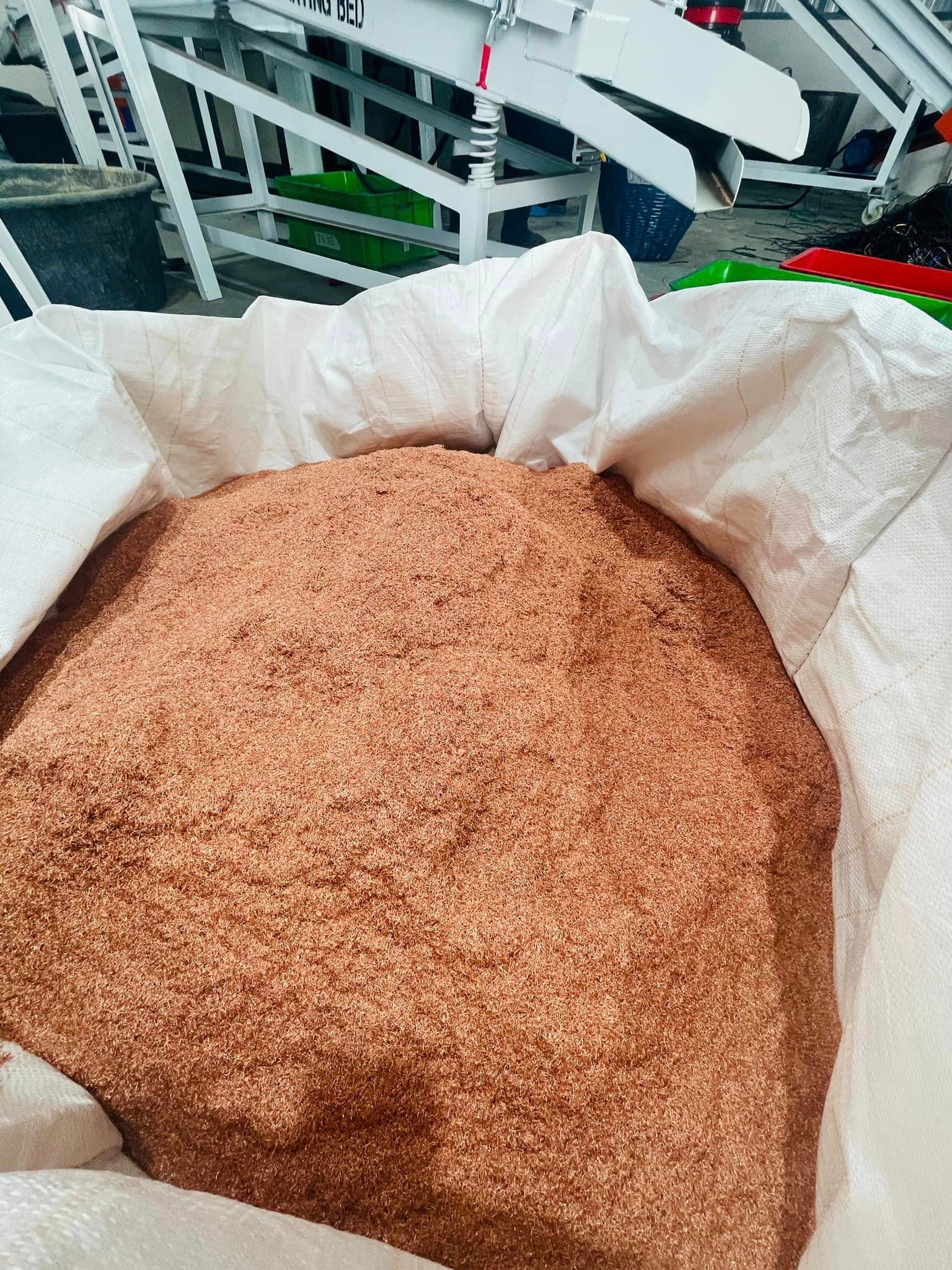
Precision magnetic chuck wet grinding, thermal burn prevention, and OSHA 1910.147 LOTO
For knife maintenance, follow the exact machine and tooling manufacturers’ procedures and use trained personnel:
- Approved Grinding Process: Have a qualified tool-grinding service follow the blade manufacturer’s wheel, cooling, stock-removal and inspection requirements. Grinding damage depends on the actual process; a universal 650°C surface temperature or 61-to-48 HRC drop cannot be assumed.
- Primary Bevel and Dimensions: Restore the OEM-specified geometry and minimum clamping dimensions. Verify set consistency, fastening and clearances using the exact machine’s service procedure.
- Hazardous Energy Control: Before opening the cutting chamber, isolate and lock out all energy sources, control stored energy, secure moving components and verify the safe state. Follow the written lockout/tagout procedure, then refit guards before restarting.
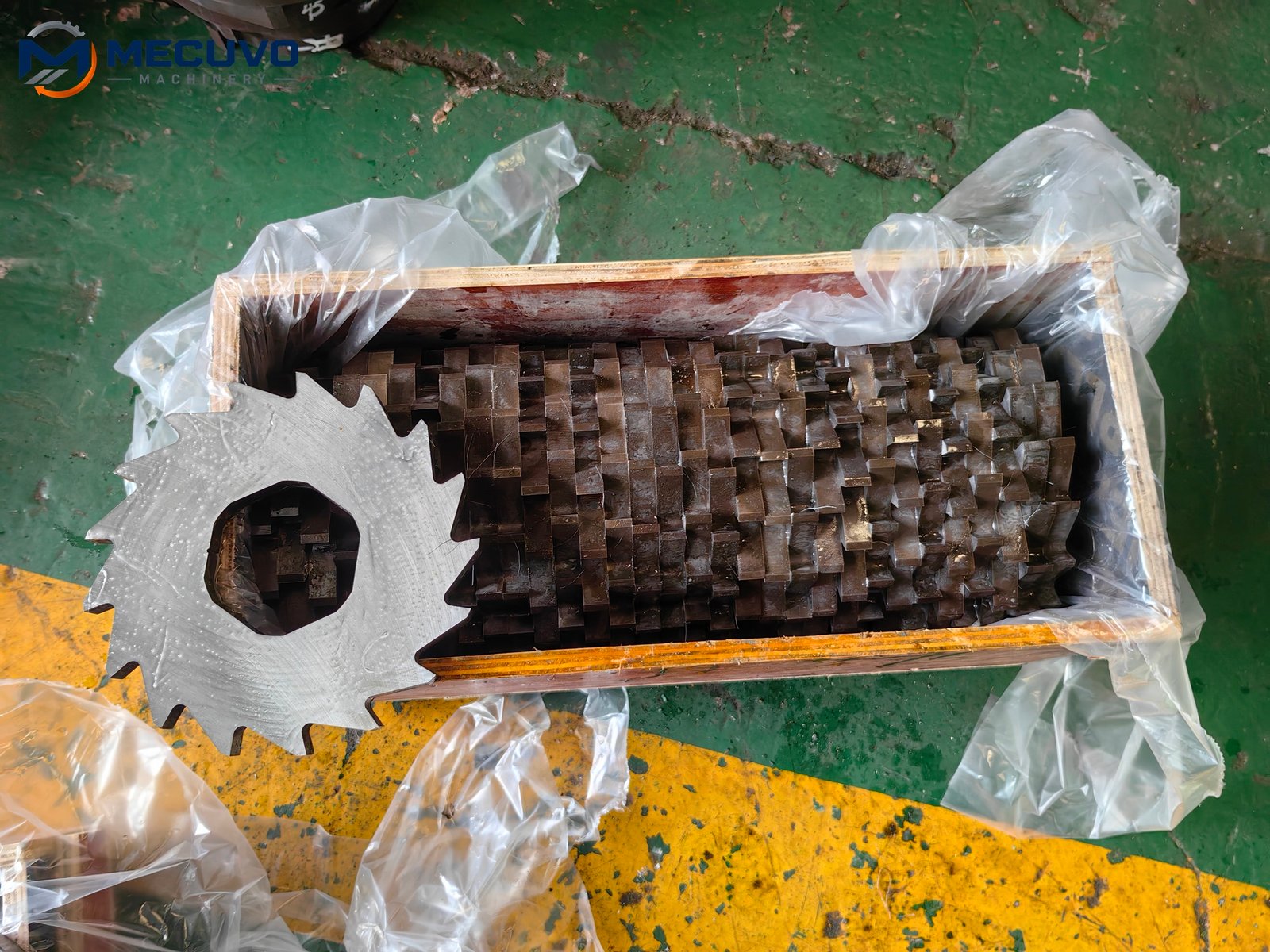
Review the MECUVO copper granulator machines overview, or contact MECUVO about replacement tooling. Confirm compatibility, material grade, heat treatment, supporting certificates and any custom-tooling service in the written quotation; do not assume certified vacuum-treated SKD11 is included.
Key Takeaways
D2 and SKD11 are comparable grades; DC53 is distinct. Choose approved tooling using verified material and heat-treatment records, application trials and OEM service limits rather than a universal grade ranking or guaranteed service-life increase.
— YOUR RECYCLING PROJECT
Find the right machine for your material.
Tell us your material and required capacity.
Or email sales@mecuvo.com