Table of Content
Philippine scrap recycling enterprises modernizing copper recovery operations must navigate Bureau of Customs import accreditation, port clearing procedures, and national electrical code standards. Importing a copper wire granulator into the Philippines requires CPRS accreditation with the Bureau of Customs, engaging a licensed customs broker to file electronic E2M entries, paying 0–3% customs duty plus 12% VAT, and specifying 230V/460V 60Hz electrical motors. I examine the statutory import framework, customs valuation equations, seaport logistics in Manila and Cebu, and electrical compliance rules across the Philippines below.
What Are the Bureau of Customs Registration and E2M Clearance Steps?
Importing heavy capital equipment into the Philippines requires satisfying statutory corporate accreditation with national customs authorities. Importers must maintain active accreditation with the Bureau of Customs (BOC) via the Client Profile Registration System (CPRS), engage a licensed customs broker, and file electronic import declarations through the E2M system.
The Philippine Customs Regulatory Framework
Under the Customs Modernization and Tariff Act (CMTA – Republic Act No. 10863), all commercial enterprises importing capital machinery into the Philippines must register with the Bureau of Customs Accounts Management Office (AMO). Successful registration enrolls the importer into the Client Profile Registration System (CPRS) through an authorized value-added service provider (VASP). Operating without active CPRS accreditation prevents electronic filing and results in immediate container detention upon arrival.
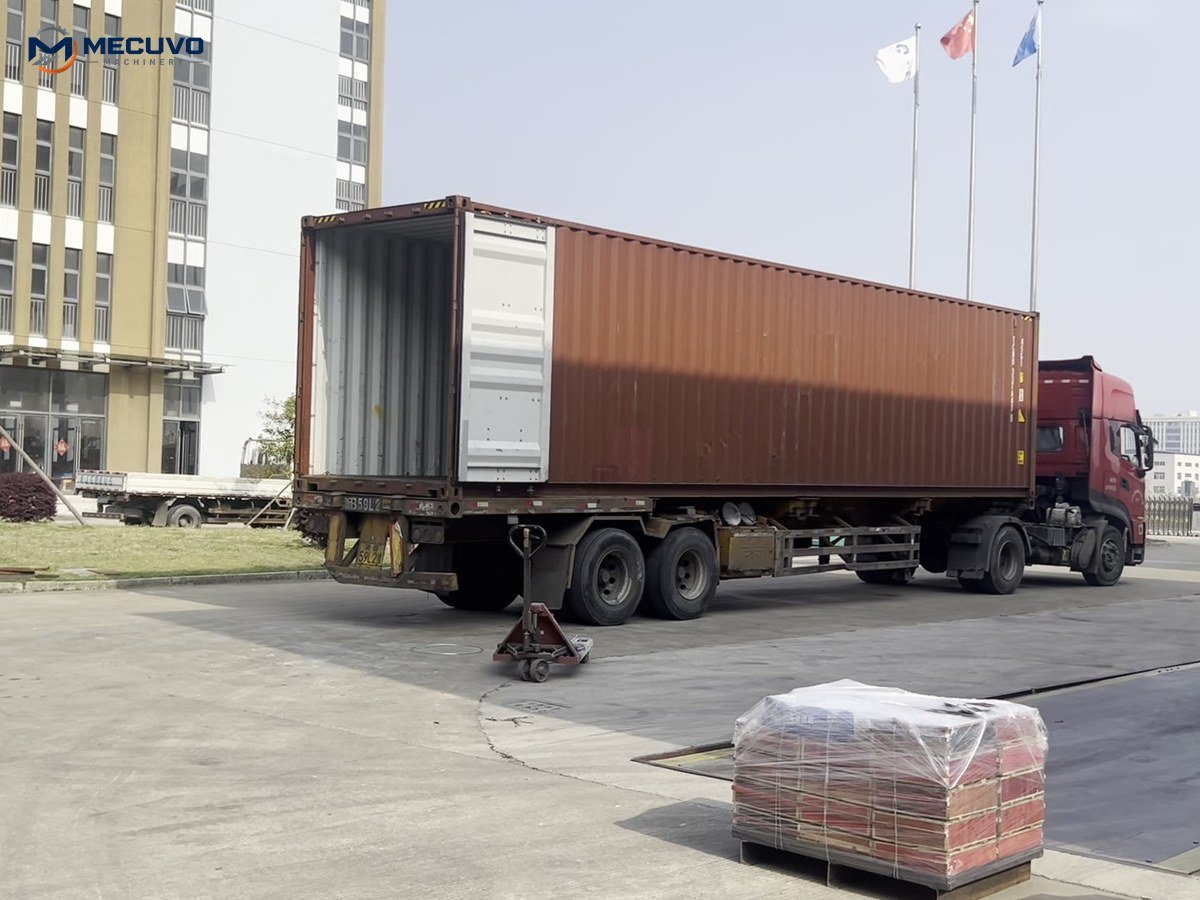
Philippine customs clearance requires mandatory representation by a licensed professional Customs Broker. The customs broker prepares the Single Administrative Document (SAD) and lodges the entry through the Electronic-to-Mobile (E2M) automated customs system. Necessary documentation includes the commercial invoice, ocean bill of lading, packing list, certificate of origin, and technical product catalog.
Once the electronic entry is lodged, the BOC Selectivity System assigns the consignment to one of three inspection channels: Green (immediate release), Yellow (documentary check), or Red (mandatory physical examination and container x-ray scanning). Heavy machinery consignments frequently route through the Red lane to verify serial numbers, equipment rating plates, and non-military industrial utility.
How Are Philippine Customs Duty, 12% VAT, and Port Charges Calculated?
Accurately budgeting for imported equipment requires calculating customs tariffs, statutory Value-Added Tax, and marine terminal cargo handling dues. Customs duties (typically 0% to 3%) apply to the Dutiable Value (CIF), followed by 12% Value-Added Tax calculated on the total landed cost including duty, customs brokerage fees, and terminal handling charges.
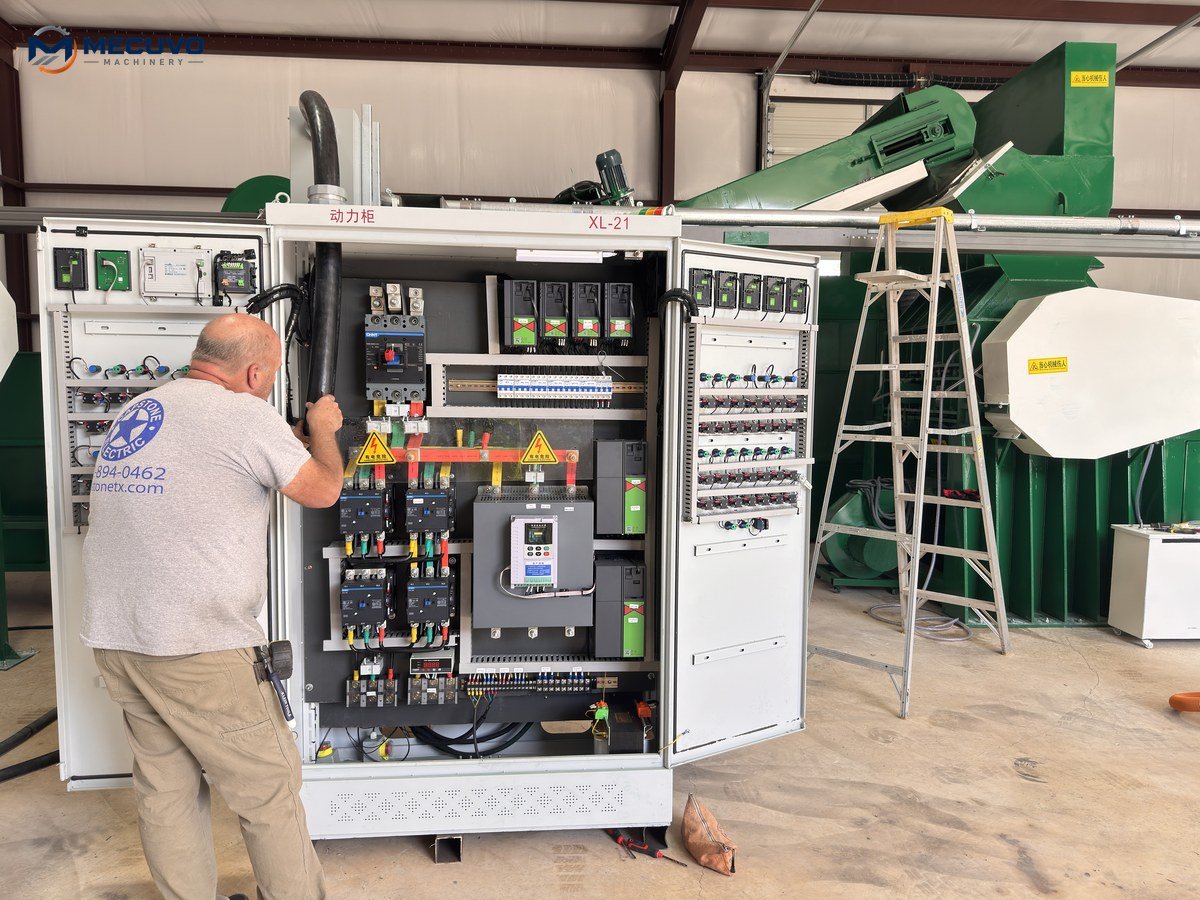
The Landed Cost Formula and Seaport Drayage Fees
In the Philippines, the Dutiable Value (DV) is established on a CIF (Cost, Insurance, and Freight) basis at the arriving port of entry. The primary seaports handling containerized heavy machinery are Manila International Container Terminal (MICT / North Harbor), Manila South Harbor, and the Port of Cebu in the Visayas.
According to the Tariff Commission under Chapter 84 of the ASEAN Harmonized Tariff Nomenclature (AHTN), industrial size-reduction and sorting machinery generally incurs a Most Favoured Nation (MFN) tariff of 0% to 3%. If equipment is manufactured in China and accompanied by a valid ASEAN-China Free Trade Area (ACFTA) Form E Certificate of Origin, the applicable customs duty rate is typically reduced to 0%.
Following customs duty calculation, the Bureau of Internal Revenue (BIR) levies the national Value-Added Tax (VAT) at 12%. In the Philippines, import VAT is calculated on the cumulative Landed Cost:
Landed Cost = Dutiable Value (CIF) + Customs Duty + BOC Legal Fees & Port Wharfage/Arrastre Surcharges
Import VAT (12%) = Landed Cost × 12%
| Statutory Element | Calculation Basis | Practical Commercial Consideration |
|---|---|---|
| Dutiable Value (DV) | CIF seaport value in Philippine Pesos (PHP) | Base invoice plus international ocean freight and marine insurance |
| Customs Duty | 0% (with Form E) or 3% MFN on DV | Statutory border tariff; confirmed by licensed broker |
| Import VAT (12%) | 12% of total cumulative Landed Cost | Major cash liquidity requirement; recoverable as input VAT by VAT-registered firms |
| Terminal Handling Dues | Arrastre and Wharfage charges | Paid to port terminal operators (ICTSI / Asian Terminals Inc.) |
| Import Processing Fee | Statutory BOC administrative fee schedule | Government electronic filing charge |
What Philippine Electrical Code Standards and 60Hz Grid Rules Apply?
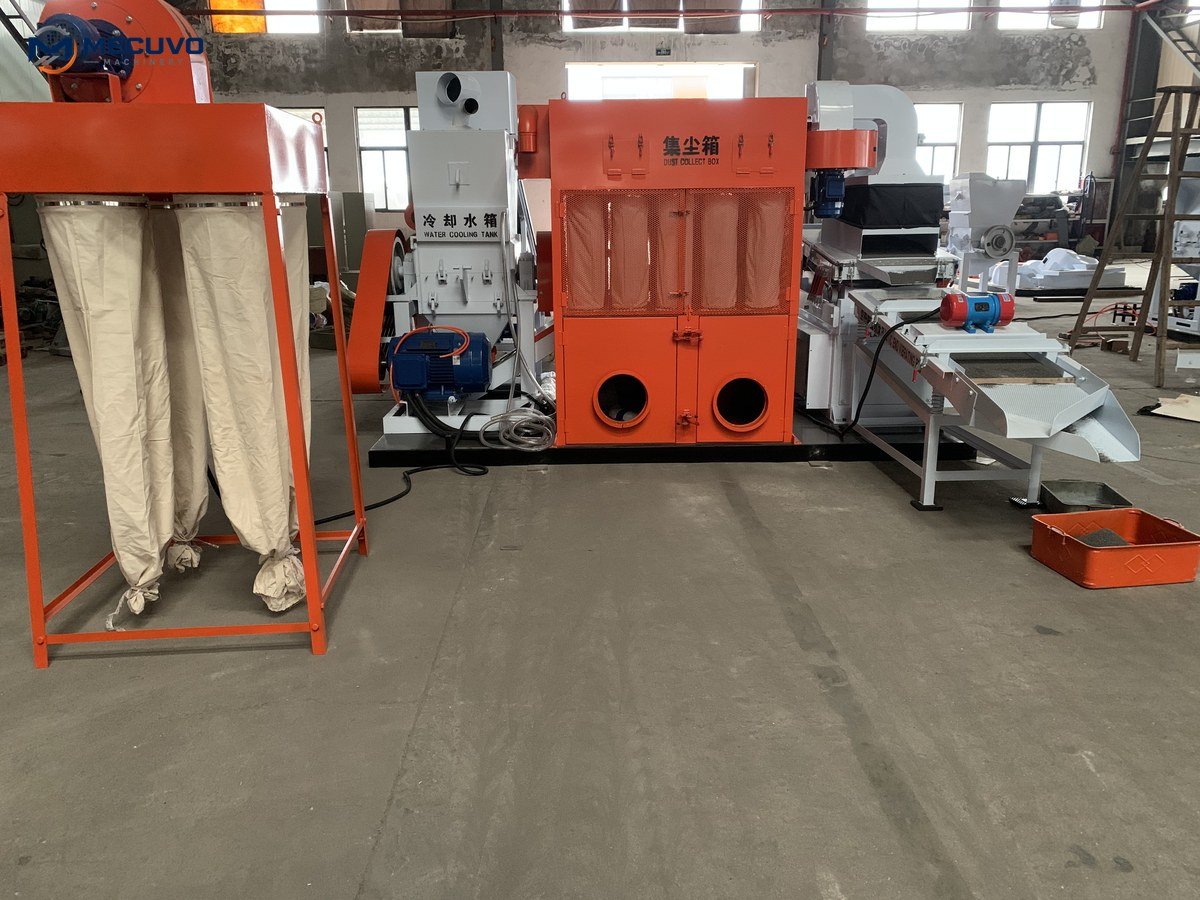
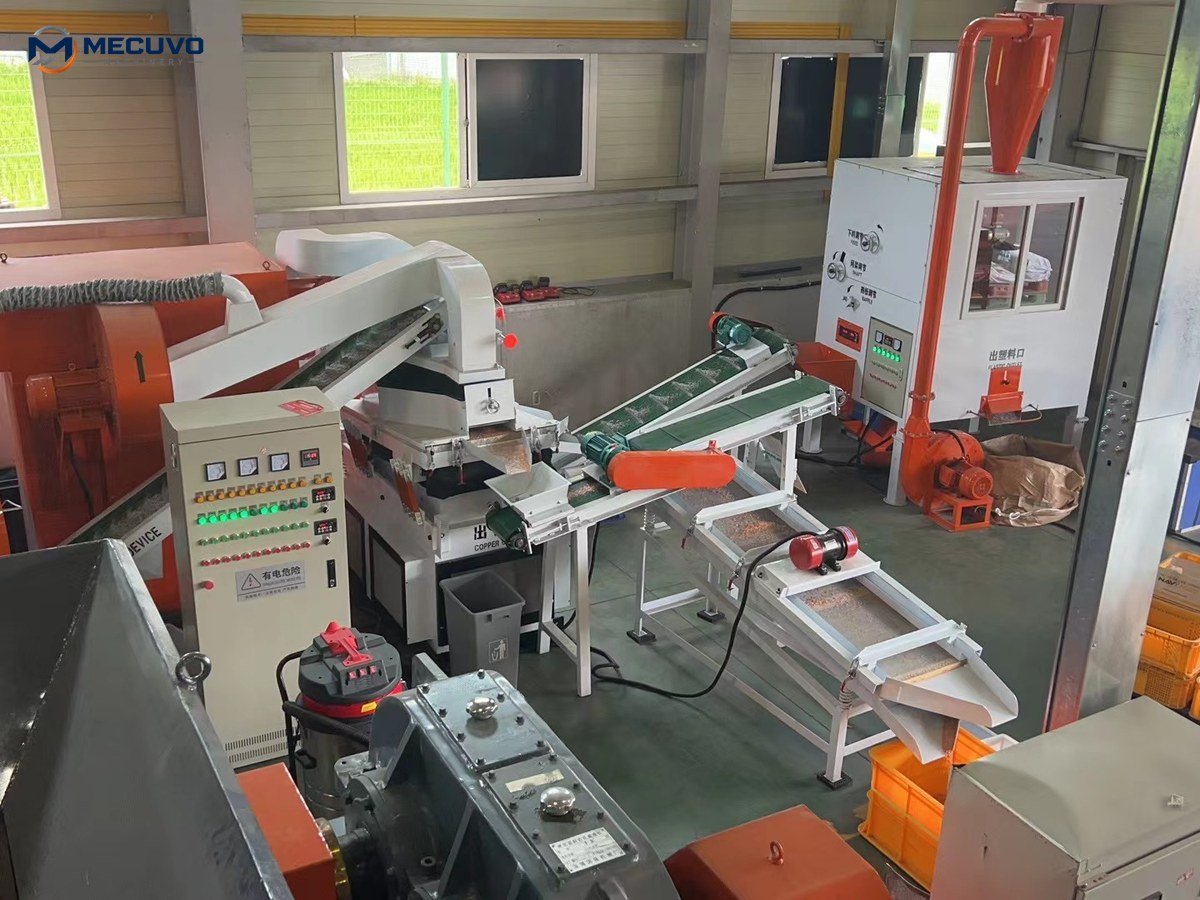
Installing industrial machinery in the Philippines requires strict adherence to national electrical distribution frequencies and workplace safety codes. The Philippine power grid operates at 60 Hz supplying three-phase 230V or 460V governed by the Philippine Electrical Code (PEC 1), requiring factory-fitted 60 Hz electric motors and industrial circuit breakers.
The 60 Hz Grid Imperative and Philippine Electrical Code Rules
Under DTI Bureau of Philippine Standards (BPS) guidelines and the Philippine Electrical Code (PEC Part 1), the national electrical grid standard operates strictly at 60 Hz. This represents a critical technical specification when ordering equipment from international manufacturers whose domestic grids operate at 50 Hz.
Connecting an unrated 50 Hz induction motor to a 60 Hz Philippine power supply causes the rotor to spin 20% faster than engineered (Synchronous Speed: n = 120f / p). On high-speed wire granulators, a 20% rotor overspeed accelerates cutting blade wear, induces destructive chassis vibration, and disrupts the aerodynamic fluidisation velocity of the density separation table. Buyers must explicitly demand dual-rated (50/60 Hz) or dedicated 60 Hz electric motors with Class F insulation.
Furthermore, industrial voltage configurations in the Philippines vary depending on the local utility provider (such as Meralco in Metro Manila and surrounding provinces, or regional electric cooperatives). Commercial scrap facilities typically utilize 230V three-phase or 460V/480V three-phase 60Hz supply. Connected loads across the MECUVO catalog range from 24 kW on a CG-100 to 76 kW on a CG-1000 line (reference configurations, to be confirmed in the final quotation). Control cabinets must incorporate lockable industrial circuit breakers and thermal overload relays sized per PEC Article 4.30.
All timber packaging arriving in Philippine ports must be heat-treated and branded pursuant to ISPM 15 standards to satisfy Bureau of Plant Industry quarantine inspections.
To obtain detailed electrical diagrams, 60 Hz motor engineering options, and container crating dimensions for delivery to Manila or Cebu, contact our technical team via the MECUVO inquiry portal.
Key Takeaways
Importing a copper wire granulator into the Philippines succeeds when scrap yards coordinate BOC CPRS accreditation, verify Form E duty exemptions, and ensure full 60 Hz electrical compatibility under the Philippine Electrical Code.
— YOUR RECYCLING PROJECT
Find the right machine for your material.
Tell us your material and required capacity.
Or email sales@mecuvo.com