Table of Content
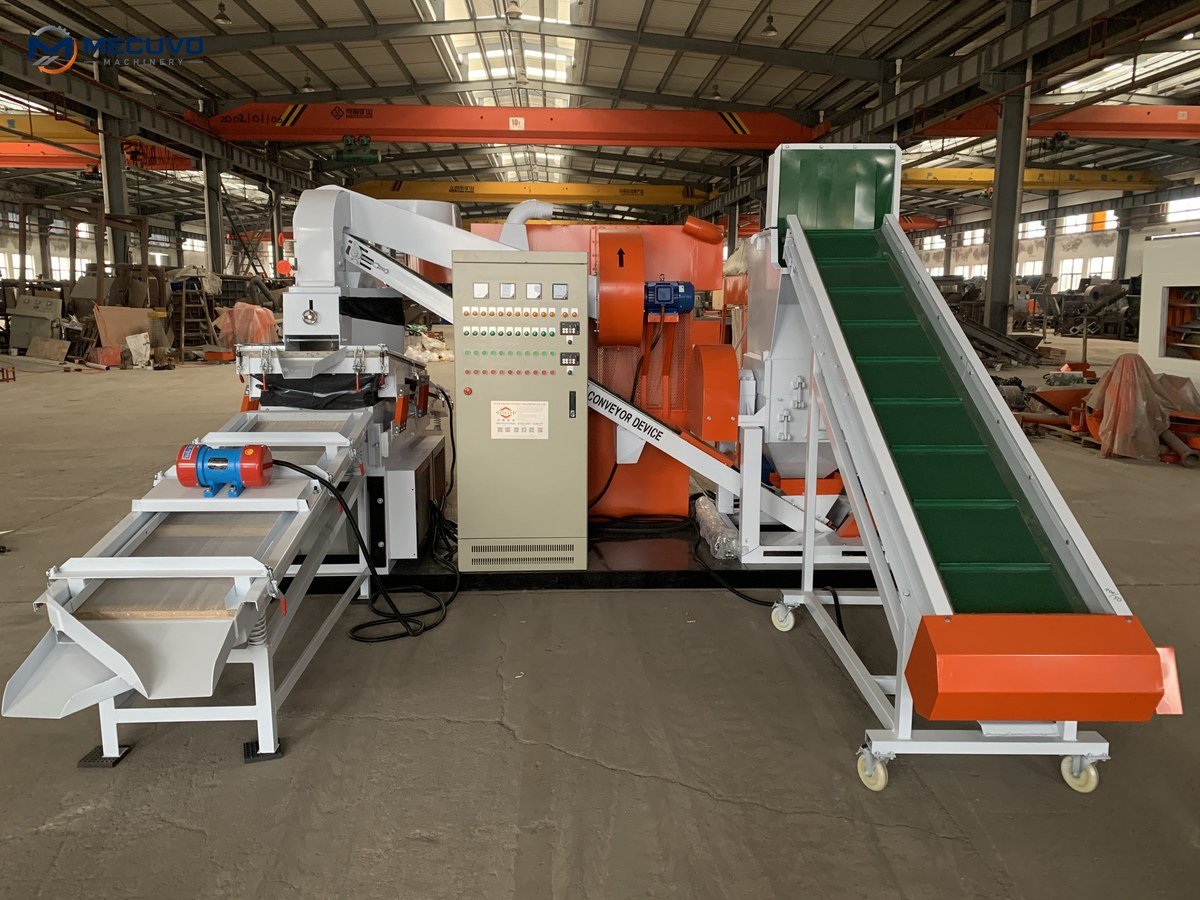
Brazil’s industrial centers in São Paulo, Minas Gerais, Rio de Janeiro, and the Southern states produce massive volumes of insulated copper wire from automotive manufacturing, civil infrastructure, and electrical utilities. Mechanizing cable recycling with imported granulators unlocks substantial margins, but success requires navigating Brazil’s complex tax cascade, Siscomex customs clearance, and regional 60 Hz electrical systems. Importing a copper wire granulator into Brazil requires obtaining RADAR accreditation on Siscomex through the Receita Federal, filing an Import Declaration (DI or Duimp) through a licensed Despachante Aduaneiro, navigating the statutory tax waterfall (II, IPI, PIS/COFINS, and state ICMS), verifying safety compliance under standard NR-12, and configuring motor windings for Brazil’s regional three-phase 60 Hz electrical grids (typically 220V, 380V, or 440V depending on the state concessionaire). Below, we analyze the fiscal registration steps, tax calculation waterfall, NR-12 machinery safety mandates, and electrical grid considerations required for a successful equipment purchase in Brazil.
Import Regulatory Framework: Siscomex, RADAR Habilitação, and Despachante Aduaneiro
We explain how to verify your RADAR accreditation on Siscomex and appoint a licensed customs broker to manage the Declaração de Importação. Obtain RADAR authorization (Expressa, Limitada, or Ilimitada) via the Receita Federal e-CAC portal, appoint a Despachante Aduaneiro, and register on Portal Único Siscomex.
Receita Federal fiscal accreditation, Portal Único Siscomex, and customs brokerage
Importing capital machinery into the Federative Republic of Brazil is regulated by the Receita Federal do Brasil (RFB) and managed through the integrated foreign trade computer system (Sistema Integrado de Comércio Exterior – Siscomex).
1. RADAR Habilitação (Fiscal Qualification)
Before executing international purchase contracts or issuing letters of credit, the Brazilian entity must hold active RADAR accreditation (Registro e Rastreamento da Atuação dos Intervenientes Aduaneiros) with the Receita Federal:
- RADAR Expressa: Applicable to specific qualified legal entities such as publicly listed corporations, wholly-owned state entities, and recognized international agencies.
- RADAR Limitada: Permits imports up to US$ 50,000 or up to US$ 150,000 every 6 consecutive months, based on the importer’s fiscal capacity (calculated from corporate tax contributions such as IRPJ, CSLL, PIS, and COFINS over the prior 5 years).
- RADAR Ilimitada: Granted to industrial and recycling enterprises with proven financial capacity exceeding US$ 150,000 per six-month rolling window, suitable for large turnkey granulator plants.
2. Legal Representation via Despachante Aduaneiro
Under Brazilian customs law, commercial declarations can only be filed by an accredited Despachante Aduaneiro linked to the importer’s CNPJ via the Portal Único Siscomex: Pre-Arrival Classification: Provide your broker with the manufacturer’s technical construction file, CAD drawings, electrical schematics, and proforma invoice to confirm the exact Mercosul Common Nomenclature (NCM 8479.82.00). Import Licensing (LI): While most capital equipment under NCM 8479 requires verification in Siscomex of whether automatic or non-automatic import licensing (Licença de Importação – LI) applies prior to departure, having your broker verify requirements with SECEX (Secretaria de Comércio Exterior) avoids clearance holds.
Note: Model parameters cited represent reference configurations, to be confirmed in the final quotation.
The Brazilian Import Tax Waterfall: II, IPI, PIS/COFINS, ICMS, and Ex-Tarifário
We detail the statutory tax cascade applied to imported machinery, the 8% AFRMM freight surcharge, and duty reductions under the Ex-Tarifário regime. Calculate cumulative taxes across II (0-14%), IPI (typically 0-5%), PIS/COFINS (9.25-11.75%), and state ICMS (17-18%); apply for Ex-Tarifário to eliminate II.
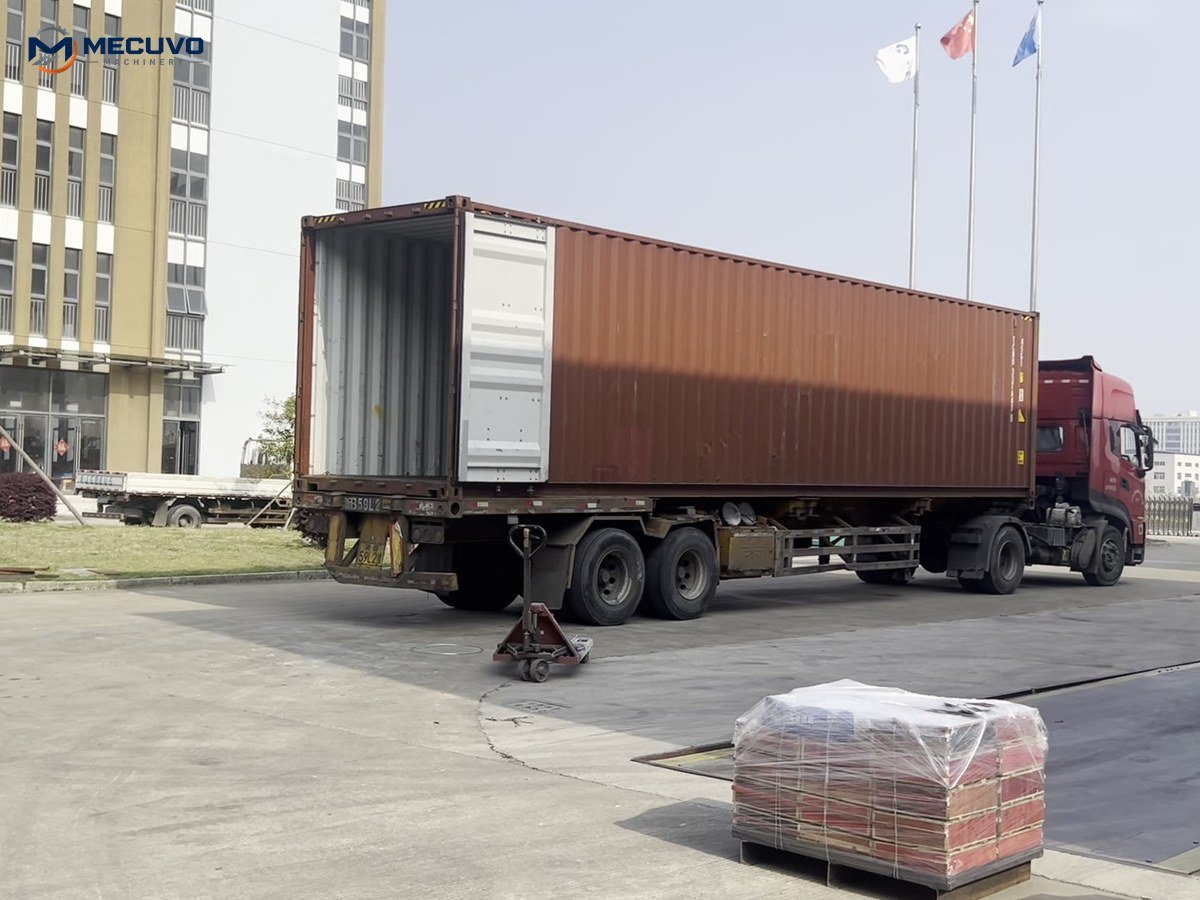
Brazilian customs tax calculation cascade, Siscomex fees, and the Ex-Tarifário regime
Brazil’s customs taxation system applies a compounding tax waterfall where each successive tax is calculated on top of prior duties and customs fees:
1. The Statutory Tax Waterfall Breakdown
When importing capital recycling machinery classified under Mercosul NCM Heading 8479.82 (sub-heading 8479.82.90 for granulators and shredders), the applicable tax cascade comprises:
- Imposto de Importação (II): Federal import duty assessed on the CIF customs valuation (cost, freight, insurance), generally 0% to 14% unless reduced under tariff concessions.
- Imposto sobre Produtos Industrializados (IPI): Federal excise tax, typically 0% to 5% for capital goods (Bens de Capital – BK).
- PIS / COFINS-Importação: Federal social contributions assessed under Law 10.865, generally at a combined statutory rate of 11.75% (2.1% PIS + 9.65% COFINS) on the customs value.
- Imposto sobre Circulação de Mercadorias e Serviços (ICMS): State value-added tax (typically 17% to 18% depending on the state, such as São Paulo, Minas Gerais, or Santa Catarina), assessed on a statutory grossed-up tax base (“cálculo por dentro”). Brazil’s ongoing tax reform will progressively transition these levies into IBS/CBS through the decade.
- AFRMM (Adicional ao Frete para Renovação da Marinha Mercante): Statutory 8% surcharge (reduced from 25% under Law 14.301/2022) assessed exclusively on ocean freight charges for deep-sea international cargo discharged at Brazilian ports.
Estimated Landed Tax Burden ≈ 1.35 to 1.50 × CIF Customs Value (subject to NCM classification, state ICMS rate, and applicable Ex-Tarifário concessions)
2. The Ex-Tarifário Tax Optimization
Brazilian scrap recyclers can achieve massive tax savings through the Regime de Ex-Tarifário administered by the Ministry of Development (MDIC): Mechanism: If no domestic Brazilian machine tool manufacturer produces a machine with equivalent technical specifications (e.g., dual-fluidization air density granulator lines), the federal government publishes an Ex-Tarifário decree reducing the Import Duty (II) from 14% down to 0%. Impact: Eliminating II also shrinks the base on which IPI and ICMS are calculated, reducing total landed tax liability by 15% to 20%.
NR-12 Workplace Safety Compliance: Guarding, Emergency Circuits, and Portuguese Manuals
We examine the technical requirements under Norma Regulamentadora NR-12 to ensure imported machinery satisfies Ministry of Labor workplace inspections. Require Category 4 safety relays, dual emergency stop pushbuttons, interlocked hopper access doors, and full technical documentation in Brazilian Portuguese.
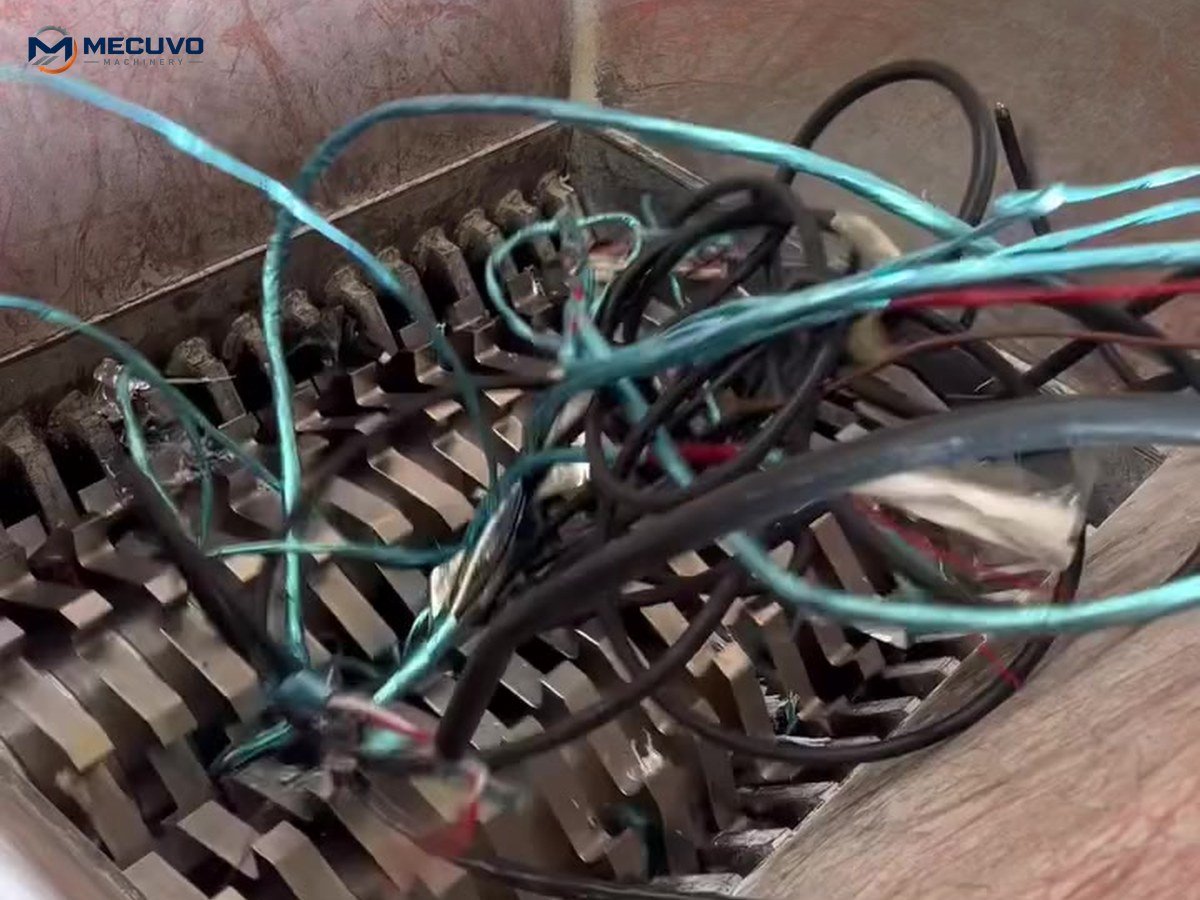
Ministry of Labor workplace safety mandates and machinery compliance engineering
Workplace safety inspections in Brazil are governed by the strict statutory mandates of Norma Regulamentadora NR-12 (Segurança no Trabalho em Máquinas e Equipamentos). Operating non-compliant imported machinery can trigger severe fiscal fines, embargo of the equipment, or criminal liability for yard managers.
Essential NR-12 Technical Requirements for Copper Granulators
To ensure full compliance upon delivery in Brazil, the machinery must be configured with:
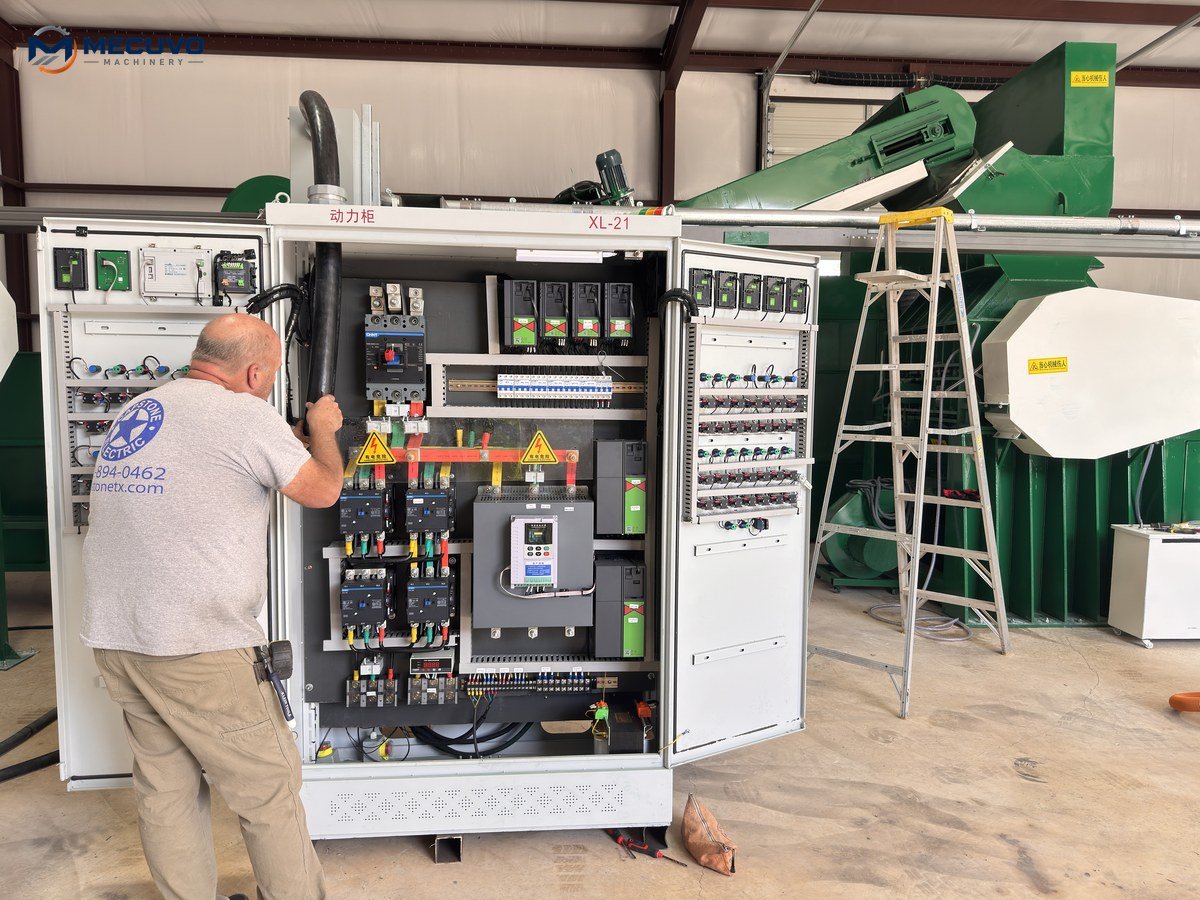
- Safety Extra-Low Voltage (24V DC): Operator command circuits, pushbuttons, and interlock sensors must operate at 24V DC to eliminate electrical shock hazards.
- Redundant Safety Relays (Category 4 / PL e): Emergency stop circuits must be wired through monitored safety relays (such as Pilz, Schneider, or Sick) with positive-guided contacts to prevent single-fault operational failures.
- Mechanical and Electrical Interlocking: Cutting chamber service hatches, belt guard covers, and screen access doors must be protected by safety limit switches. If an operator opens a maintenance door, electrical power to the drive motor is mechanically isolated within milliseconds.
- Physical Guarding and Infeed Reach Limits: The infeed hopper must feature extended dimensions or a baffled chute that physically prevents an operator’s hands from reaching the rotating cutter knives.
- Portuguese Language Documentation: In accordance with NR-12.125, the manufacturer must provide complete operational manuals, electrical single-line schematics, and hazard warning placards written in Brazilian Portuguese.
Brazilian Electrical Grid Sizing: 220V/380V/440V 60Hz and Port of Santos Logistics
We review state electrical utility voltages, motor winding configurations, and ocean container delivery through the Port of Santos. Order motors wound for regional 60Hz grids (220V, 380V, or 440V 3-phase); ship to the Port of Santos or Paranaguá; anchor to a 150mm reinforced concrete slab.
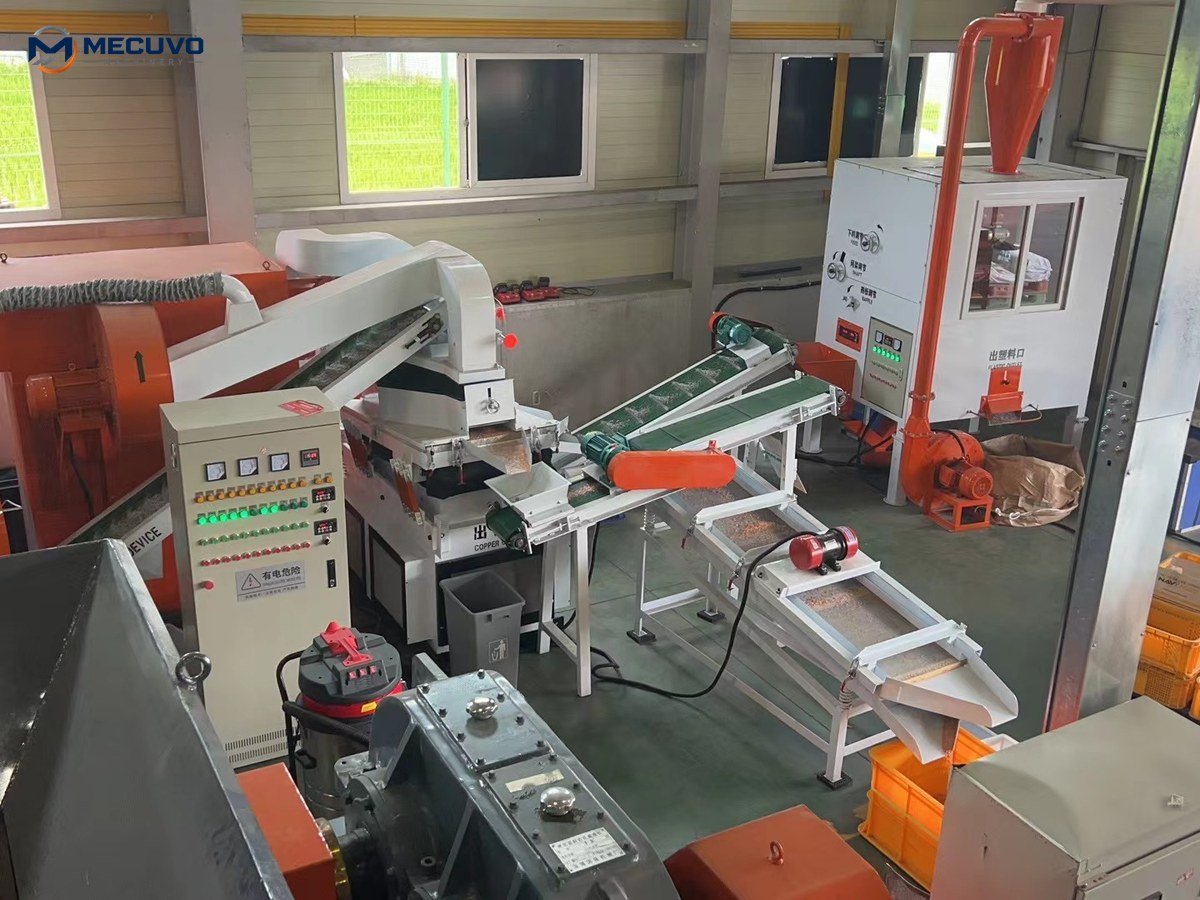
Regional three-phase voltage variations, concessionaire coordination, and maritime port logistics
Brazil presents a unique electrical engineering landscape. Unlike European or Asian grids that operate at 50 Hz, Brazil operates exclusively on a 60 Hz electrical grid. Furthermore, nominal three-phase distribution voltage varies by geographic state and utility concessionaire.
The Brazilian Industrial Voltage Matrix
Recyclers must audit their local substation supply before placing equipment orders:
- São Paulo (Enel SP / CPFL): Typically delivers 220V 3-Phase 60 Hz in older industrial districts, or 380V 3-Phase 60 Hz in newer industrial parks.
- Minas Gerais (Cemig): Standard industrial distribution is 380V 3-Phase 60 Hz (with 220V single-phase neutral).
- Rio Grande do Sul / Paraná (CEEE / Copel): Commonly delivers 380V or 440V 3-Phase 60 Hz.
MECUVO custom-winds electric motors and transformer contactors to match your exact regional three-phase voltage at 60 Hz:
| Model | Installed Power (kW) | Reference Capacity (kg/h) | Concessionaire 220V 60Hz | Concessionaire 380V 60Hz |
|---|---|---|---|---|
| CG-100 | ~24 kW | 80–100 kg/h | 90A–100A | 50A–60A |
| CG-200 | ~28 kW | 150–200 kg/h | 110A–125A | 63A–70A |
| CG-300 | ~37.2 kW | 250–300 kg/h | 150A–175A | 80A–90A |
| CG-500 | ~48 kW | 300–500 kg/h | 200A–225A | 125A–150A |
Table Note: Reference machine parameters cited from mecuvo.com public catalogs; circuit breaker sizing must be verified by an accredited Brazilian electrical engineer (CREA).
Port Logistics: Discharging at Santos or Paranaguá
Transpacific ocean container transit from China to Brazil takes approximately 32 to 40 days: Port of Santos (SP): Latin America’s largest container terminal (BTP, Santos Brasil), handling shipments destined for Greater São Paulo, the Campinas industrial belt, and the Paraíba Valley. Port of Paranaguá (PR): Primary southern gateway serving Paraná and Santa Catarina industrial corridors.
Upon arrival at your yard, anchor the machine to a minimum 150 mm thick reinforced concrete slab using high-tensile epoxy chemical anchors to isolate vibratory air table harmonics.
Request an Export Proposal for Brazil
To receive complete technical drawings, NR-12 compliance schematics, and a formal CIF Santos quotation wound for your state’s 60 Hz voltage, send your cable specs through the contact page.
Key Takeaways
Successfully importing a copper granulator into Brazil requires obtaining Siscomex RADAR accreditation, auditing the II/IPI/PIS/COFINS/ICMS tax waterfall with potential Ex-Tarifário exemptions, enforcing NR-12 safety compliance, and ordering custom 60Hz motor windings matching regional industrial grids.
— YOUR RECYCLING PROJECT
Find the right machine for your material.
Tell us your material and required capacity.
Or email sales@mecuvo.com