HYDRAULIC SCRAP METAL SHEAR

Hydraulic Alligator Shear for Faster Scrap Sizing and Metal Cleaning

Cut long, irregular and oversized metal scrap into manageable pieces with a hydraulic shear selected around your actual material — not around a generic cutting-force number.

Built for scrap yards, metal recyclers, dismantling operations, foundries and processing facilities that need a practical way to clean, separate and reduce metal scrap before sorting, transport, baling, melting or downstream processing.

  • Cut ferrous and non-ferrous scrap into easier-to-handle sizes
  • Blade length, jaw opening and cutting force matched to your feed material
  • Process bars, pipes, profiles, cable, valves and mixed metal scrap
  • Hydraulic operation for controlled cutting and repeatable daily work
  • Voltage and control configurations for different operating requirements
  • Factory testing and export packing before shipment

Tell us the material, the maximum dimensions and the expected daily volume. We identify a suitable configuration before preparing the quotation.

REAL SCRAP CUTTING TEST
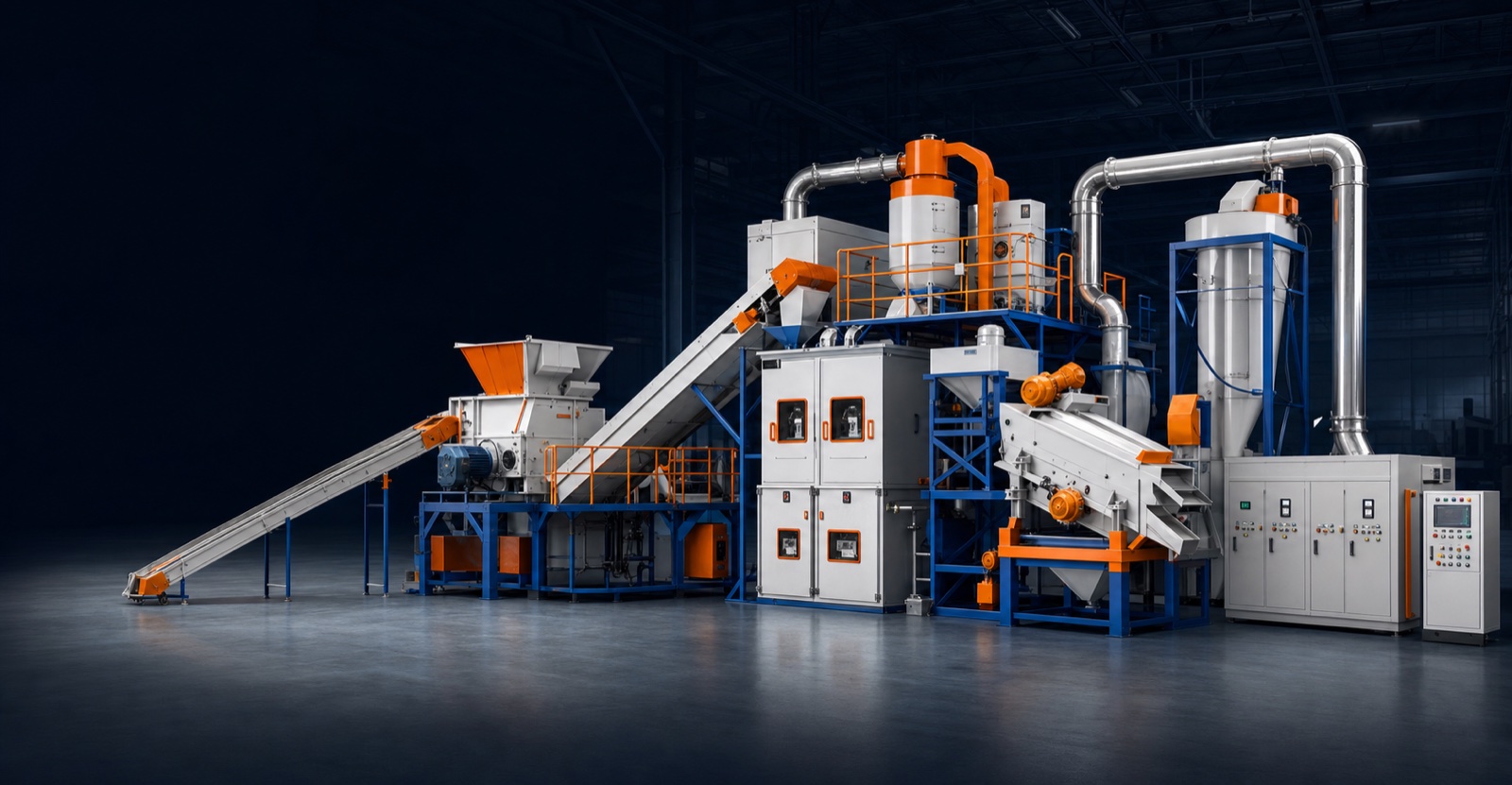
Industrial recycling machine placeholder for hydraulic alligator shear

Send your scrap details and we will run a cutting test and recommend the model.

Application-Based Selection

Matched to your material and cut.

Factory Testing

Real cutting tests available.

Export Packing

Secure, seaworthy packing.

Spare Parts Support

Blades, seals and wear parts.

IS THIS THE RIGHT MACHINE?

Is an Alligator Shear the Right Machine for Your Operation?

An alligator shear is selected for cutting, cleaning and sizing individual pieces of scrap metal. It is most useful when the material is too long, too irregular or too difficult to handle in its current form.

Scrap Yards

Process mixed and heavy scrap.

Recyclers

Increase throughput and reduce size.

Dismantlers

Cut beams, pipes and structures.

Foundries

Prepare charge material.

Metal Processors

Feed downstream lines efficiently.

TYPICAL BUYERS

Who Buys This Machine

  • Scrap metal yards and metal collection companies
  • Non-ferrous metal recyclers
  • Cable and wire processors
  • Radiator recycling businesses
  • Motor and transformer dismantlers
  • Automotive dismantling facilities
  • Foundries and metal recovery plants
  • Steel and aluminium processing workshops
  • Demolition material recyclers

TYPICAL OBJECTIVES

What Buyers Want to Achieve

  • Shorten long scrap for easier handling
  • Separate valuable metal sections from attachments
  • Remove fittings, ends or contaminated portions
  • Prepare scrap for sorting or downstream equipment
  • Reduce the space occupied by irregular material
  • Produce pieces suitable for bins, balers or furnaces
  • Replace slower manual cutting methods where appropriate
THE REAL COST OF OVERSIZED SCRAP

Oversized Scrap Creates More Than a Cutting Problem

Long pipes, cable bundles, valves, profiles, radiators and mixed metal components are difficult to store, move and process efficiently. When incoming scrap cannot be handled in its original form, operators spend excessive time repositioning material, using hand tools or preparing pieces for the next machine.

What This Costs You Every Day
  • Slow material preparation
  • Inconsistent scrap sizes
  • Difficult loading and storage
  • More manual handling
  • Bottlenecks before sorting or baling
  • Valuable metal left attached to low-value components
  • Excessive dependence on flame cutting
  • Increased safety exposure from improvised cutting
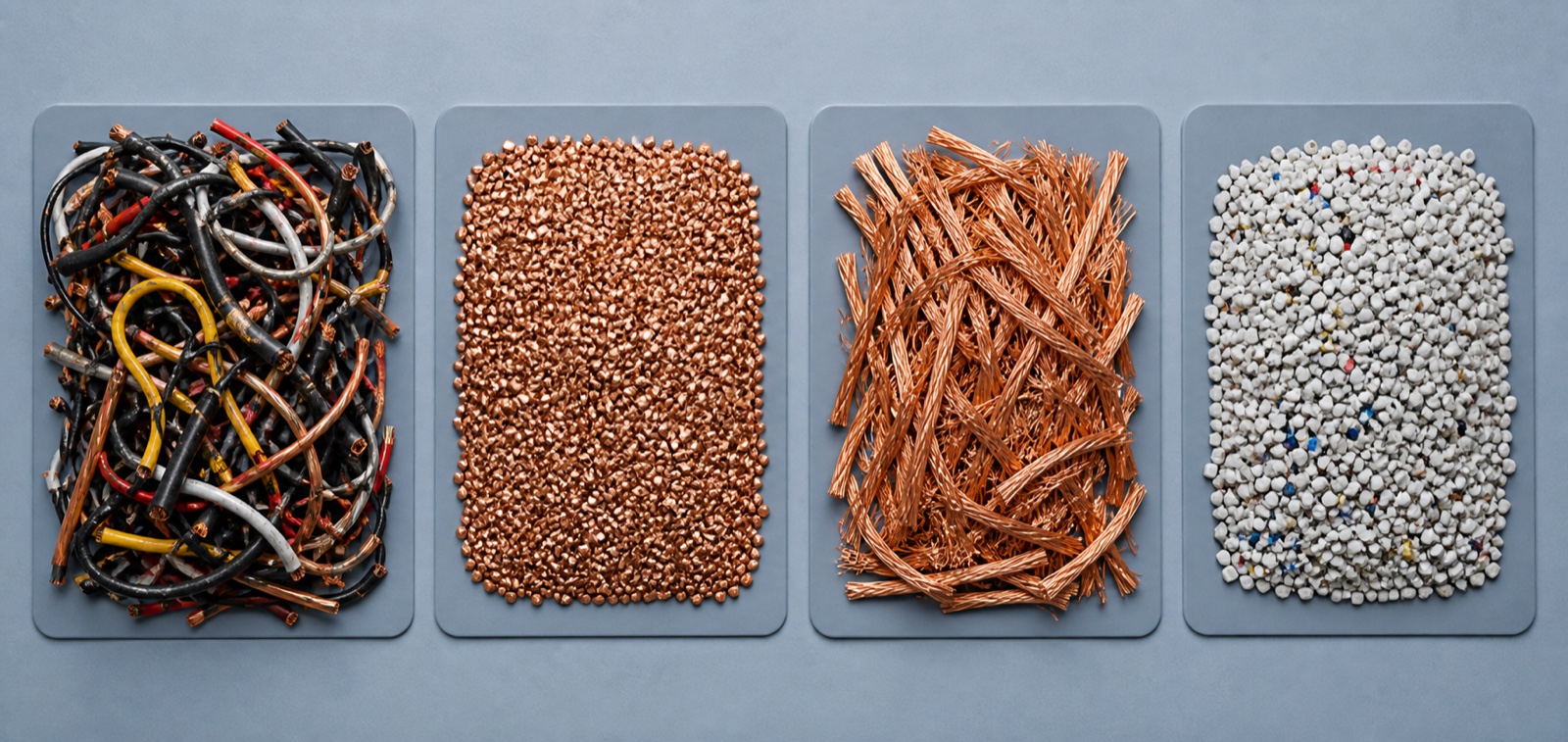
Long irregular scrap before cutting and uniform cut pieces after shearing placeholder

BEFORE → AFTER

Long, irregular and angled scrap creates handling and production problems. Uniformly cut scrap improves handling and downstream efficiency.

The Objective Is Not Simply to Cut Metal

The real objective is a controlled, repeatable preparation step that fits the rest of your operation. A properly selected alligator shear lets operators reduce and clean individual pieces before the material moves to the next process.

Send one photo of your most difficult material. That is usually enough to start a practical technical discussion.

HOW THE MACHINE SHOULD BE CHOSEN

A Scrap Shear Selected Around the Material You Actually Process

Choosing an alligator shear by advertised tonnage alone leads to the wrong machine. Two pieces of scrap with similar outside dimensions can require very different cutting performance.

Why Similar-Looking Scrap Cuts Differently

  • Material grade and hardness
  • Wall thickness
  • Solid or hollow construction
  • Cross-sectional shape
  • Cutting position along the blade
  • Number of layers in the cut
  • Distance from the blade pivot
  • Required jaw opening
  • Required blade contact length

WHAT WE ASK FOR

A Photo Beats a Description

A photo with a ruler or tape measure beside the material is far more useful than a general description such as “steel scrap” or “copper cable”.

  • Material type
  • Maximum diameter or cross-section
  • Maximum material width
  • Daily processing volume
  • Local voltage and frequency
  • Photos or video of the actual scrap
Material Type

Strength, hardness and composition.

Cross-Section

Shape and wall thickness.

Maximum Size

Length, width and dimensions.

Cutting Position

Throat cutting or tip cutting.

Daily Volume

Tonnage and duty cycle.

Downstream Process

Sorting, baling, shredding or melting.

MATERIALS AND APPLICATIONS

What Can an Alligator Shear Process?

Actual cutting capacity depends on the selected model, material grade, geometry and cutting position. The lists below describe evaluation scope, not guaranteed capacity.
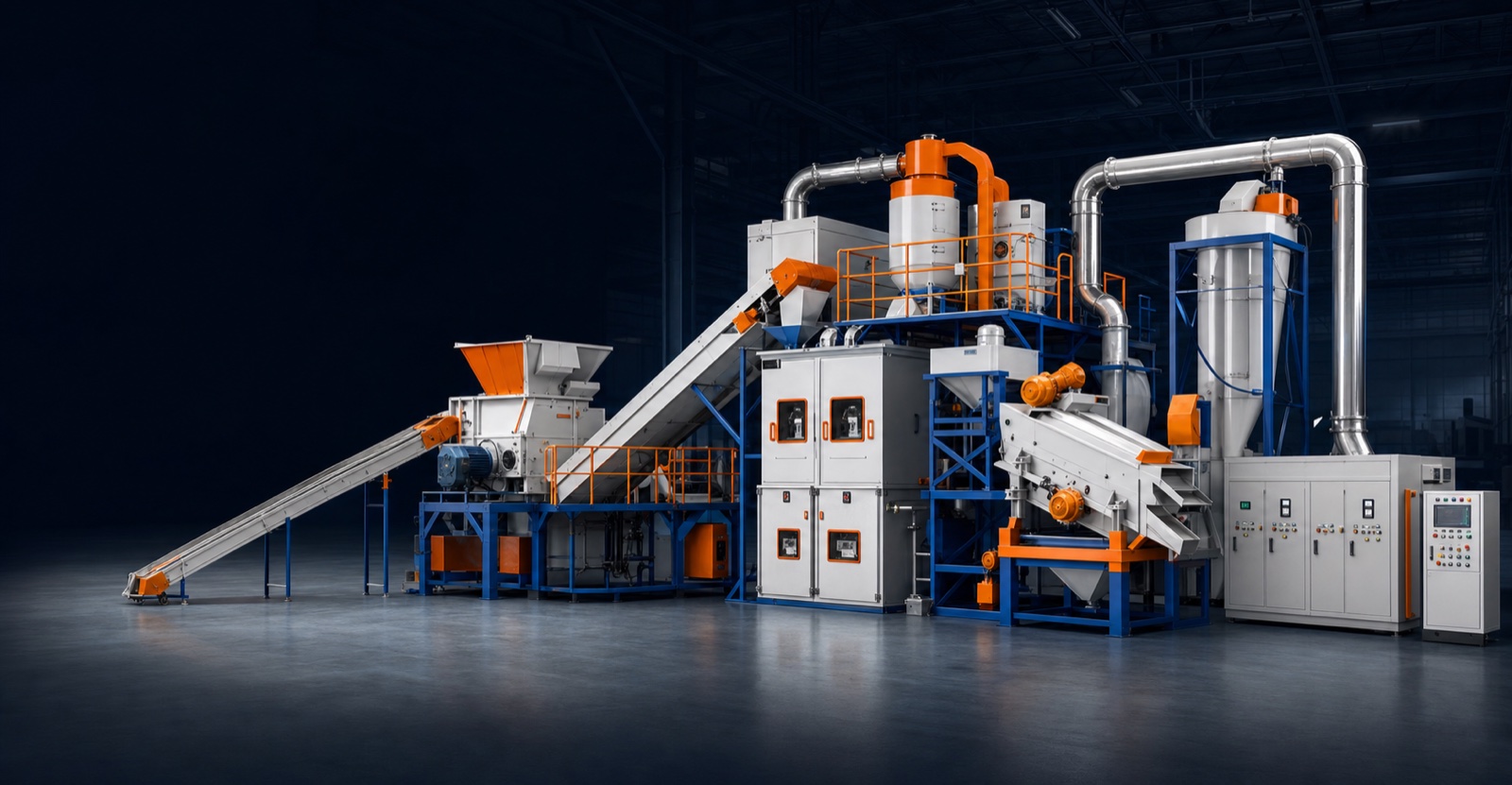
Non-ferrous metal scrap material placeholder

Copper and Cable Scrap

  • Large copper cable
  • Copper wire bundles
  • Copper bars and busbars
  • Copper tubing
  • Cable ends and fittings
  • Transformer and motor connections

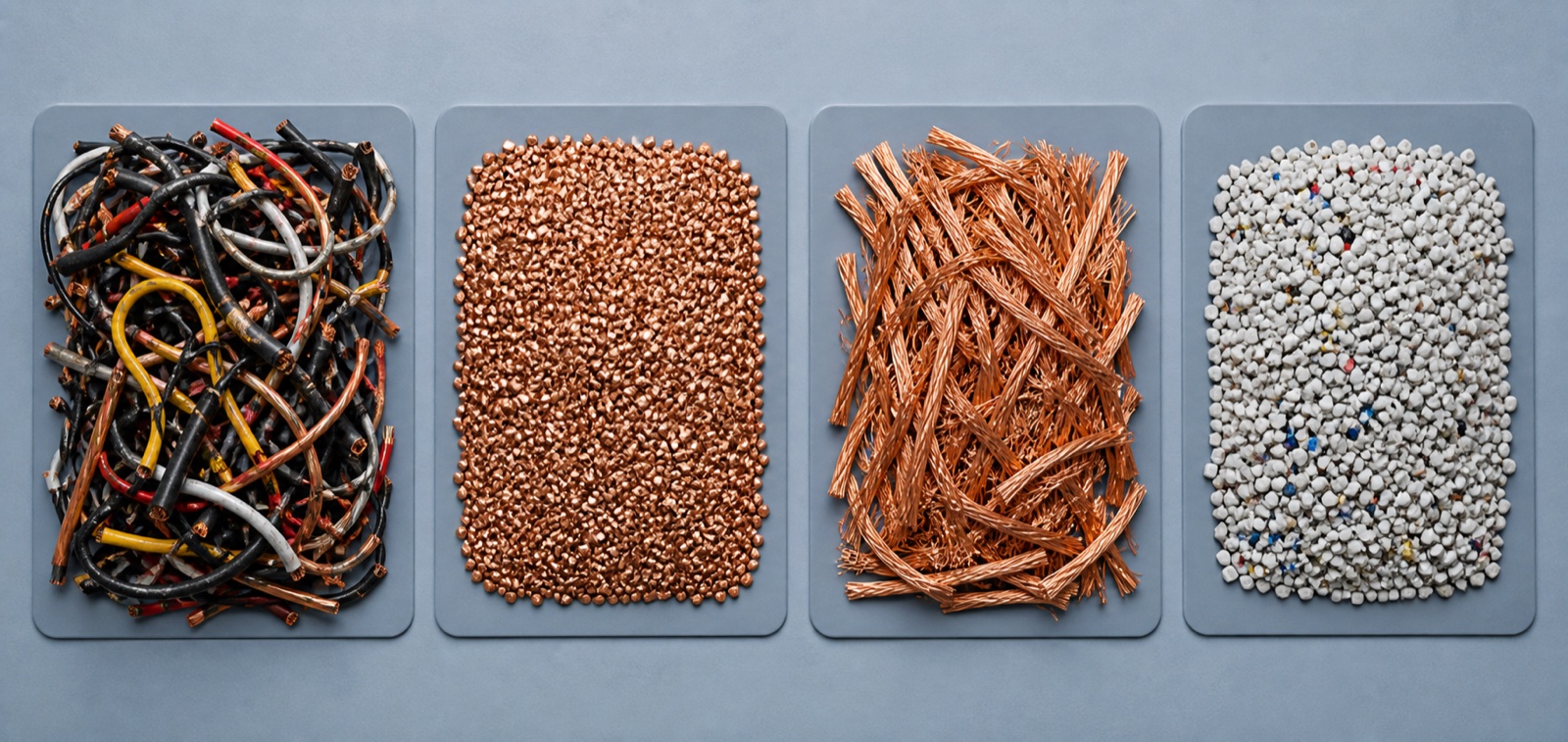
Shorten material or remove attachments before stripping, sorting or granulation.

Hydraulic scrap shear configuration placeholder

Aluminium Scrap

  • Aluminium profiles
  • Window and door sections
  • Extrusions and tubing
  • Radiator sections
  • Mixed aluminium components
  • Cast aluminium within approved capacity

Longer blade models suit wider items that must be cut across a larger working area.

Industrial cutting equipment processing steel material

Mild Steel Scrap

  • Round and square bar
  • Rebar
  • Steel pipe
  • Flat bar and angle iron
  • Light structural profiles
  • Steel fittings

Confirm the steel grade and cross-section. Mild steel capacity does not apply to hardened or high-alloy steel.

Industrial recycling equipment detail placeholder

Brass and Bronze Scrap

  • Valves and faucets
  • Pipe fittings
  • Rods
  • Mixed plumbing scrap
  • Industrial components

Used to separate valuable non-ferrous sections from attached steel or lower-value parts.

Factory assembly of hydraulic machinery

Automotive and Dismantling Scrap

  • Radiator sections
  • Gearbox housings
  • Engine components
  • Exhaust sections
  • Catalytic converter pipes
  • Mixed dismantling scrap

Specific fixtures or working procedures may be required for particular components.

Machine factory interior

Electric Motor and Transformer Scrap

  • Cutting external connections
  • Shortening copper windings
  • Removing cable sections
  • Separating attached metal parts
  • Preparing oversized parts for dismantling

It does not replace a dedicated motor recycling machine for systematic stator cutting and winding extraction.

BEFORE YOU LOAD ANYTHING

Do Not Assume That Every Metal Object Can Be Cut Safely

The following material requires specific evaluation, or must not be processed at all without an approved procedure. Never cut a sealed or pressurised item simply because it fits inside the jaw.

The operator must identify, depressurise, drain and prepare material according to applicable local procedures before cutting.

Never Cut Without an Approved Procedure

  • Sealed containers and gas cylinders
  • Pressurised vessels
  • Fuel tanks with unknown contents
  • Shock absorbers or cylinders under pressure
  • Explosive or chemically contaminated components
  • Batteries
  • Ammunition or explosive material
  • Anything holding enclosed liquid or gas

Requires Technical Review First

  • Hardened tool steel
  • High-alloy steel
  • Railway track
  • Large structural beams
  • Oversized castings
  • Unknown composite assemblies

SEE THE MACHINE CUT REAL SCRAP

A Specification Table Cannot Show How Your Scrap Behaves
Cutting test video placeholder showing the shear cutting real scrap

MAS-630 cutting Ø80 mm mild steel round bar. This test demonstrates the machine under the stated material and operating conditions. Performance on other material must be confirmed separately.

REQUEST YOUR CUTTING TEST

Send Your Scrap and We Will Cut It

Send scrap photos or details and we will run a real cutting test and recommend the best model.

  • Material type and dimensions shown on camera
  • Loading, positioning and hold-down operation
  • Full cutting cycle and approximate cycle time
  • Cut result and operator working position
ALLIGATOR SHEAR MODELS

Which Alligator Shear Configuration Do You Need?

The range is organised by blade length, jaw opening, cutting force, cycle speed and working duty. Confirm the final configuration against your own material before ordering.

Non-ferrous metal scrap material placeholder

MAS-400

Compact Alligator Shear

For Light Non-Ferrous Cleaning and Occasional Scrap Preparation

  • Cutting force: 400 Ton
  • Blade length: 400 mm
  • Jaw opening: 320 mm
  • Motor power: 22 kW
  • Machine weight: 4.0 Ton

Typical work: Copper pipe and tube, Copper and aluminium cable, Brass valves and fittings, Light aluminium sections, Small mixed non-ferrous scrap.

Best for: Small and medium scrap dealers that need a compact machine for regular cleaning and sizing work.

Hydraulic scrap shear configuration placeholder

MAS-630

Standard Alligator Shear

A Versatile Configuration for Everyday Scrap Yard Work

  • Cutting force: 630 Ton
  • Blade length: 600 mm
  • Jaw opening: 420 mm
  • Motor power: 37 kW
  • Machine weight: 6.0 Ton

Typical work: Copper and aluminium scrap, Mild steel round and square bar, Steel pipe and profiles, Valves and automotive components, Mixed yard scrap.

Best for: Scrap yards processing a varied mix of ferrous and non-ferrous material every day.

Industrial cutting equipment processing steel material

MAS-800

Long-Blade Alligator Shear

More Cutting Length for Wider or Bulkier Material

  • Cutting force: 800 Ton
  • Blade length: 1,000 mm
  • Jaw opening: 500 mm
  • Motor power: 45 kW
  • Machine weight: 8.5 Ton

Typical work: Radiator sections, Wide aluminium profiles, Long assemblies, Sheet and mixed components, Material needing a larger working area.

Best for: Buyers who regularly process wider components and want fewer repositioning steps between cuts.

Heavy welded machine frame fabrication

MAS-1200

Heavy-Duty Alligator Shear

Higher Cutting Capability for Demanding Scrap Preparation

  • Cutting force: 1,200 Ton
  • Blade length: 1,200 mm
  • Jaw opening: 600 mm
  • Motor power: 55 – 75 kW
  • Machine weight: 12.0 Ton

Typical work: Larger mild steel sections, Heavy armoured cable, Thick-wall pipe, Dense non-ferrous scrap, Industrial dismantling components.

Best for: Operations with larger cross-sections, demanding material or sustained daily production.

MODEL COMPARISON

Compare the Available Configurations

Published capacity always refers to a specified material grade, shape and cutting position.

Specification Compact Standard Long-Blade Heavy-Duty
Model MAS-400 MAS-630 MAS-800 MAS-1200
Recommended duty Light – Medium Medium – Heavy Heavy (long scrap) Very heavy
Maximum cutting force 400 Ton 630 Ton 800 Ton 1,200 Ton
Blade length 400 mm 600 mm 1,000 mm 1,200 mm
Maximum jaw opening 320 mm 420 mm 500 mm 600 mm
Motor power 22 kW 37 kW 45 kW 55 – 75 kW
Full-stroke cycle time 8 – 10 sec 8 – 12 sec 9 – 13 sec 10 – 15 sec
Machine weight 4.0 Ton 6.0 Ton 8.5 Ton 12.0 Ton

IMPORTANT CAPACITY NOTE

What a Capacity Figure Does Not Cover

A maximum round-bar capacity must never be read as the same capacity for:

  • Stainless steel
  • Hardened steel
  • Bundled material
  • Thick-wall pipe
  • Square bar
  • Irregular castings
  • Material positioned at the blade tip
COMPARING MACHINES CORRECTLY

A Larger Tonnage Number Does Not Automatically Mean a Better Machine

Cutting force matters, but it does not describe complete cutting performance. Evaluate these six factors together.

Cutting Force

Force must suit the material and cross-section.

Blade Length

Longer blades give more working area for wide items.

Jaw Opening

Material must fit safely before it can be cut.

Force Distribution

Cutting at the throat differs from cutting at the tip.

Blade Condition

Worn blades or wrong clearance reduce cut quality.

Cycle Speed

Dry cycle time is not the same as real production.

Buyer recommendation: compare machines using your actual material, your operating method and your daily workload — not one headline number.

HOW IT WORKS

Controlled Hydraulic Cutting in a Compact Workstation

The hydraulic system moves the upper shear arm toward the fixed blade, and the blades apply concentrated shearing force until the material separates.
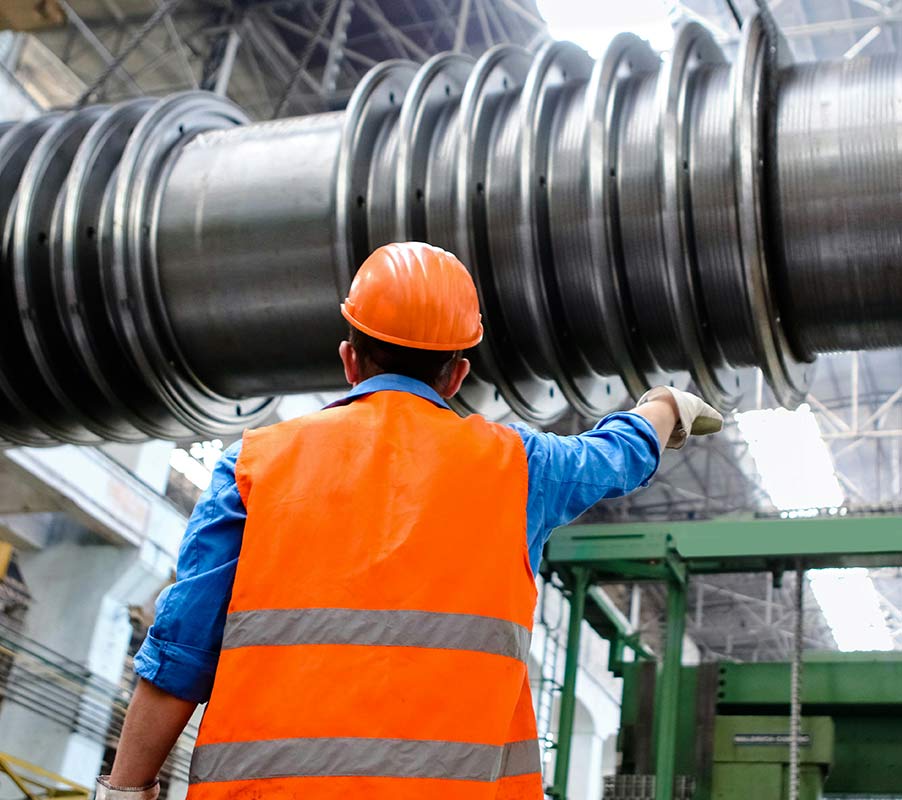
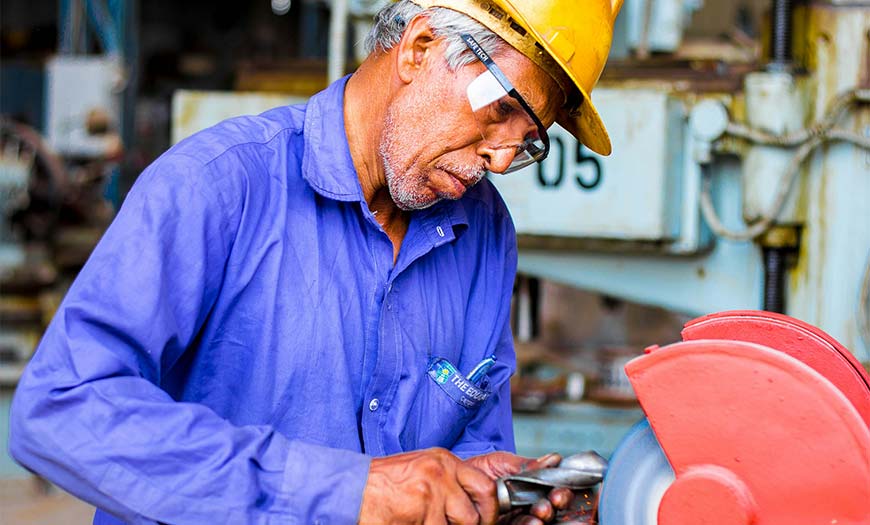
Industrial worker inspecting machinery

Operator working position, hold-down device and cutting area during a normal cycle.

Typical Operating Sequence

  • Inspect and identify the material
  • Confirm that the material is safe to cut
  • Position the material in the approved cutting area
  • Secure it with the hold-down system
  • Activate the cutting cycle
  • Keep clear of the blade and moving material
  • Allow the blade to return
  • Remove or reposition the material
  • Continue until the required piece size is reached

SUITABLE DOWNSTREAM STEPS

Where the Cut Material Goes Next

  • Manual sorting
  • Loading into bins
  • Baling
  • Shredding
  • Granulation
  • Stripping
  • Melting
  • Packing for transport
  • Sale as a cleaner scrap grade

OPERATOR REQUIREMENT

Trained Operators Only

Every step above assumes a trained operator following the supplied manual and the site risk assessment. Material identification is part of the operating procedure, not an optional check.

Operation, maintenance, electrical and hydraulic documentation is supplied with the machine and can be reviewed before the order is confirmed.

MACHINE DESIGN

Designed Around the Parts That Affect Daily Operation

Cutting performance, running cost and uptime are decided by these six areas. Ask for a close-up photograph of each one before you order.

Heavy welded machine frame fabrication

Hydraulic Cutting System

Controlled blade movement and high cutting force in a compact structure. Configuration follows required force, cycle frequency, ambient temperature, motor power, tank capacity, cooling and local supply.

Industrial cutting equipment processing steel material

Replaceable Cutting Blades

Blades are wear components. Depending on the model they are replaceable, reversible, regrindable and supported by adjustable clearance and a protected lower blade seat.

Factory assembly of hydraulic machinery

Material Hold-Down System

Scrap can move, lift or kick during cutting. Mechanical, hydraulic or automatically sequenced hold-down devices control the workpiece while the cut completes.

Hydraulic scrap shear configuration placeholder

Adjustable Jaw Opening

Adapts the machine to different material sizes, limits unnecessary blade travel, shortens the working stroke and improves control of the working area.

Machine factory interior

Heavy Welded Machine Body

The frame resists repeated cutting loads while keeping blade alignment. Evaluate plate thickness, reinforcement at the pivot and cutting head, welding quality, blade seat alignment and cylinder mounting.

Industrial worker inspecting machinery

Operator Controls

Foot pedal or push-button control, single or repeating cycle, emergency stop, main isolator, key-controlled modes, stroke adjustment and interlock monitoring.

HYDRAULIC SYSTEM — QUESTIONS TO ASK

Verify the Hydraulics Before You Buy

  • What is the rated system pressure?
  • Which components are used in the circuit?
  • Is oil cooling required for my duty cycle?
  • How is pressure checked?
  • Are replacement seals and filters included?
  • What maintenance interval is recommended?

BLADE INFORMATION TO REQUEST

Blade Life Decides Running Cost

  • Blade material and hardness
  • Number of usable cutting edges
  • Blade dimensions
  • Recommended blade clearance
  • Regrinding limit
  • Spare blade availability and price

A blade that can be rotated, reground or replaced extends usable service life and lowers long-term operating cost.

Cutting-Area Guard

Restricts access to hazardous areas while allowing approved material to be positioned.

Hold-Down Device

Controls material movement and reduces kickback or lifting during the cut.

Emergency Stop

Accessible from the normal operating position.

Controlled Activation

Control position and configuration reduce accidental activation.

Main Isolator

A clear method of isolating electrical power for maintenance.

Warning Labels

Identify cutting area, electrical hazards, stored pressure and required PPE.

SAFETY MUST BE EVALUATED BEFORE PRICE

Judge the Complete Safety System, Not the Blade Size

An alligator shear combines high hydraulic force, exposed material and a cutting point the operator has to approach during loading. Stored hydraulic energy must be released before maintenance, blade adjustment or jam removal.

The purchaser is responsible for ensuring the machine is installed, guarded, operated and maintained according to applicable local law, site risk assessments and operating procedures. Operators must be trained before use.

Documents Available for Review

  • Electrical drawings
  • Hydraulic schematic
  • Operation manual
  • Maintenance instructions
  • Risk-assessment documentation
  • Declaration documents
  • Component certificates
  • Test records and packing list

Machine safety and conformity requirements vary by destination, application and final configuration. Confirm the exact standard and required documents before ordering.

CHOOSE BY PROCESSING OBJECTIVE

Alligator Shear vs Other Scrap Machines

An alligator shear is not intended to replace every cutting or size-reduction machine. It is most valuable when you repeatedly need to clean, separate or shorten individual scrap items in a controlled workstation.

BEST FOR CONTROLLED CUTTING

Alligator Shear

  • Individual pieces
  • Cleaning operations
  • Shortening long scrap
  • Removing fittings
  • Batch preparation
  • Mixed ferrous and non-ferrous

Main characteristic: Controlled cuts with flexible manual positioning.

ALTERNATIVE

Guillotine or Baler Shear

  • Larger scrap volumes
  • Bulk feeding
  • Long heavy scrap
  • Higher throughput
  • Compaction plus shearing

Main characteristic: Greater automation and bulk processing capability.

ALTERNATIVE

Dual-Shaft Shredder

  • Continuous size reduction
  • Irregular bulky feed
  • Volume reduction
  • Preparation for separation
  • Mixed input streams

Main characteristic: Repeated tearing and reduction rather than one controlled cut.

ALTERNATIVE

Cutting Torch

  • Large structures
  • On-site dismantling
  • Material that cannot be loaded
  • Occasional specialised cuts

Main characteristic: Requires skilled labour, fuel, fire control, fume management and hot-work permits.

OPERATIONAL BENEFITS

Build a More Consistent Scrap Preparation Process

Easier Material Handling

Shorter pieces are easier to lift, sort, load and store.

Better Separation

Cutting away attachments separates valuable metal from mixed components.

Improved Downstream Feeding

Material is prepared to dimensions suited to a baler, shredder, granulator or furnace.

Less Manual Cutting

Suitable applications reduce dependence on hand tools and flame cutting.

More Consistent Piece Size

Cuts are repeated to the requirement of the next processing stage.

Compact Installation

A focused cutting station within a relatively limited footprint.

Productivity note. Actual output depends on material mix, piece dimensions, operator experience, loading method, required cut length, stroke setting, sorting requirements and machine duty cycle. We do not publish an hourly tonnage unless it has been tested under clearly stated conditions.

TECHNICAL SPECIFICATIONS

MAS-630 Standard Alligator Shear Technical Data

Specifications are subject to the final machine configuration. Cutting capacity depends on material grade, hardness, shape, wall thickness, cutting position and blade condition, and all critical values are confirmed in the final technical agreement.

Parameter Specification
Machine model MAS-630
Maximum cutting force 630 Ton
Blade length 600 mm
Maximum jaw opening 420 mm
Maximum cutting capacity (mild steel) Ø80 mm round / 60 × 60 mm square
Motor power 37 kW
Electrical supply 380 V / 50 Hz / 3 phase (customisable)
Hydraulic system pressure 35 MPa
Full-stroke cycle time 6 – 12 sec
Cutting control Foot pedal or push-button
Hold-down type Hydraulic hold-down device
Overall dimensions (L × W × H) 3,600 × 1,400 × 2,200 mm
Machine weight 6,000 kg
Warranty 12 months

ELECTRICAL CONFIGURATION

Configured for Your Local Power Supply

  • 380 V / 50 Hz / 3 phase
  • 400 V / 50 Hz / 3 phase
  • 415 V / 50 Hz / 3 phase
  • 440 V / 60 Hz / 3 phase
  • 460 V / 60 Hz / 3 phase

Before production, confirm country of installation, voltage, phase, frequency, available current, connection method, local electrical standard, indoor or outdoor installation and ambient temperature. Motor, cabinet and protection components are matched to the confirmed supply.

OPTIONAL — CUTTING

Cutting Configuration
  • Different blade lengths
  • Alternative cutting-force configurations
  • Adjustable cutting stroke
  • Enhanced cutting-area guard
  • Spare blade set

OPTIONAL — HANDLING

Handling and Control
  • Mechanical or hydraulic hold-down
  • Foot pedal or push-button control
  • Conveyor or collection bin
  • Extended feeding support
  • Material positioning fixture
  • Catalytic converter cutting fixture

OPTIONAL — SITE AND SERVICE

Site and Service
  • Oil cooling or oil heating system
  • Mobile base
  • Diesel power configuration
  • Alternative voltage
  • Spare seal kit and filter package
  • Maintenance tool kit
  • Customised machine colour
  • Destination-specific documentation
FACTORY QUALITY CONTROL

Verify the Machine Before It Leaves the Factory

Each machine is inspected against the agreed technical specification before shipment. Ask for the inspection record, not only a finished-machine photograph.
01

Structural Inspection

Frame condition, weld appearance, fastener installation, blade-seat alignment, pivot and cylinder mounting, machine stability.

02

Hydraulic Inspection

System pressure, hose and fitting condition, cylinder movement, oil leakage, valve operation, oil level, filter installation.

03

Electrical Inspection

Motor rotation, control functions, emergency stop, limit switches, cabinet, wiring labels, voltage configuration.

04

Operational Inspection

Blade opening and closing, full-stroke and reduced-stroke cycles, hold-down operation, control response, abnormal vibration or noise.

05

Cutting Test

Factory standard test material, material matching your specification, or a sample you provide where this is agreed.

06

Pre-Shipment Evidence

Machine and nameplate photographs, cutting-test video, control-function video, packing photographs, specification sheet, inspection checklist.

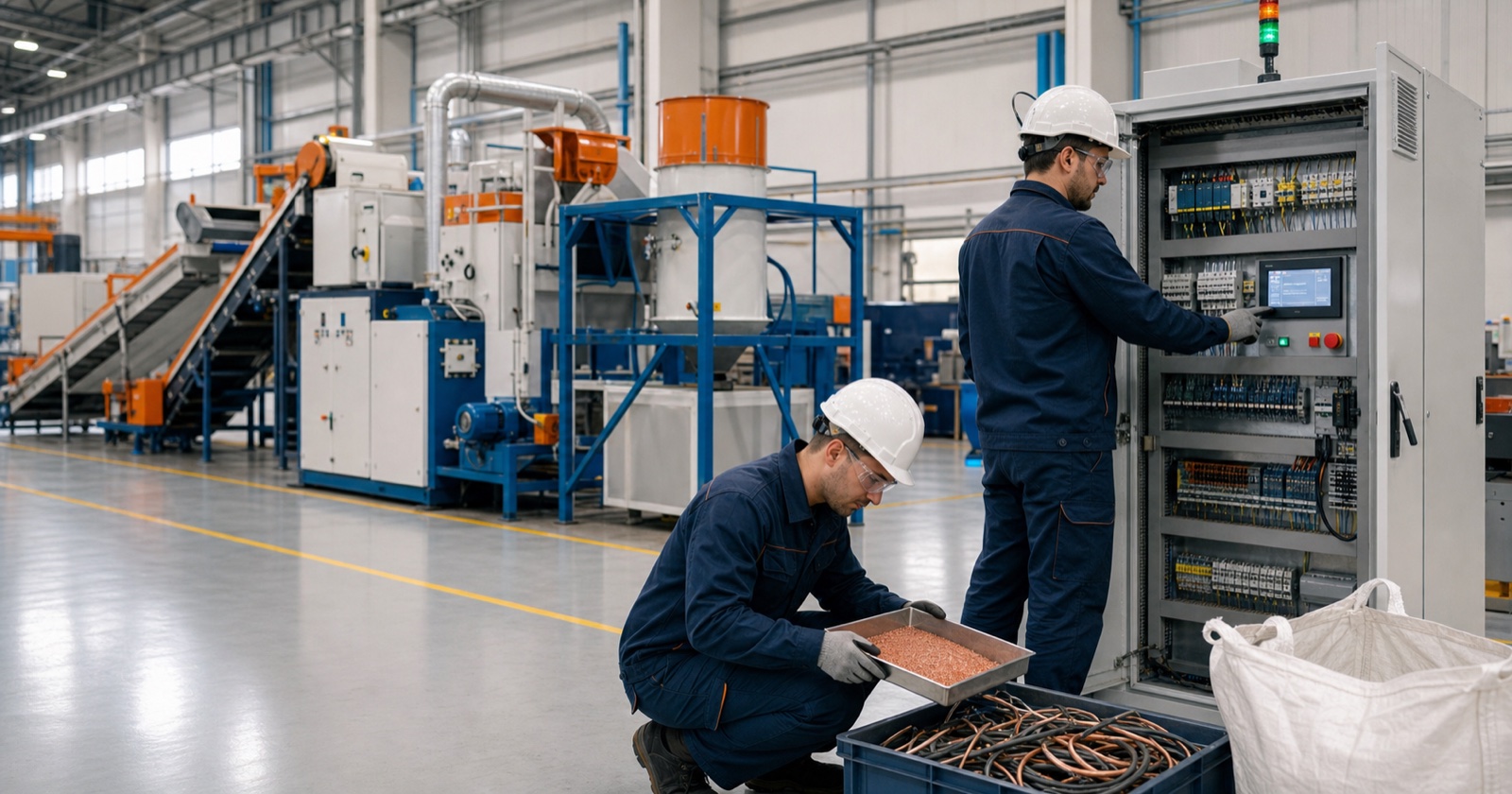
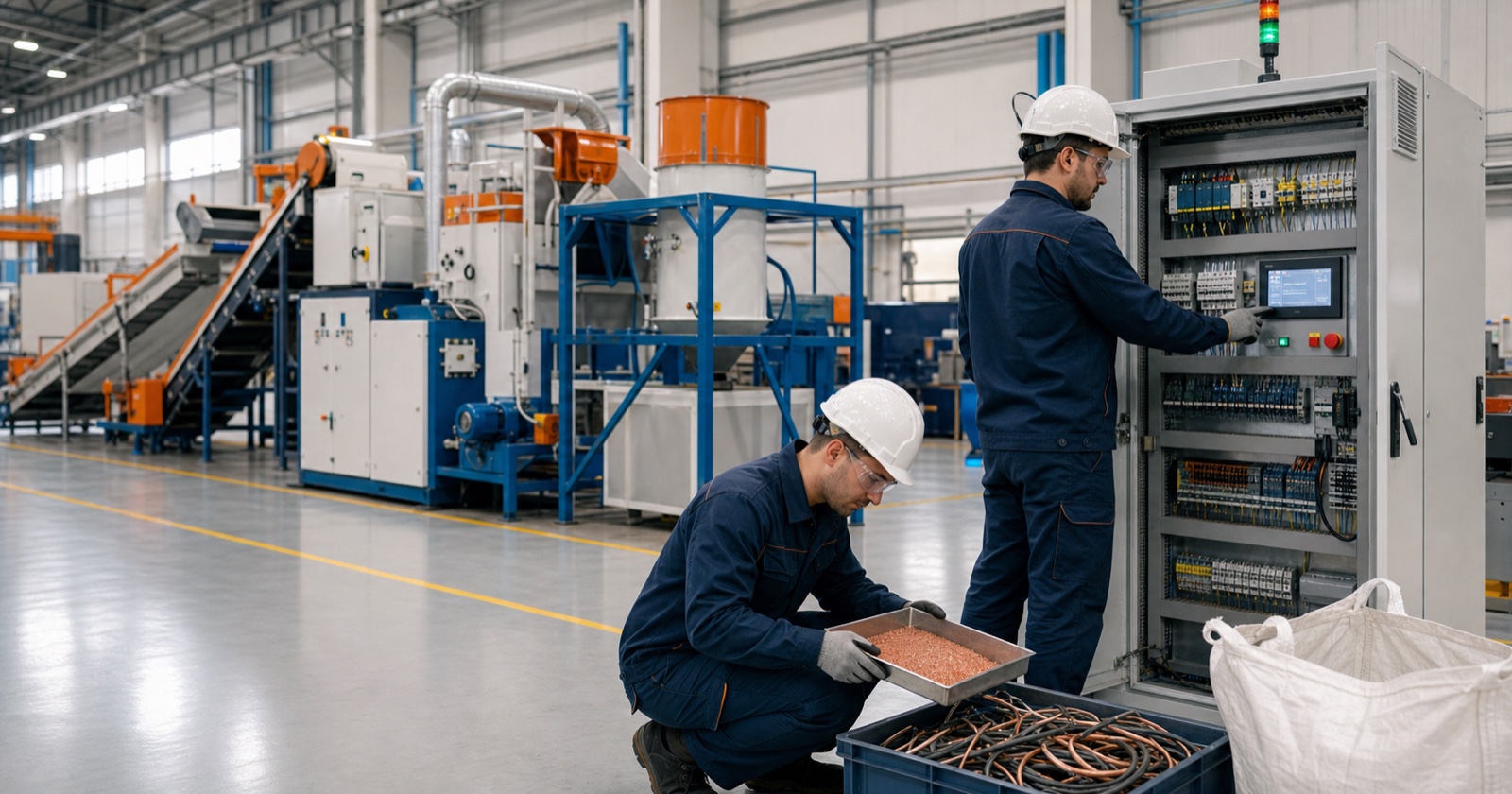
Technicians testing industrial recycling equipment before shipment

Ask for a Pre-Shipment Test Plan

Agree what will be tested, with which material and what evidence you receive — before production starts. This is the cheapest quality control available to an importer.

APPLICATION REVIEW

How We Document a Real Application

Every recommendation we make is recorded against the buyer’s own material so the decision can be checked later. We publish a customer case only after the customer has approved the result — no invented performance stories.

  • Material, maximum dimensions and daily volume
  • Required cut length and downstream process
  • Recommended model, blade length, cutting force and motor
  • Special configuration and safety requirements
  • Tested material, cutting result and cycle observation
  • Customer acceptance record
Cut scrap metal pieces prepared for sorting placeholder

Cut samples from a recorded material test. Ask for the test video that matches your own scrap rather than a general product video.

WHAT IS INCLUDED

Standard Supply Scope and Recommended Spare Parts

The exact standard supply and spare-parts package is listed in the quotation. Ask for anything below that is missing from your offer.

Standard Machine Package

  • Main alligator shear
  • Hydraulic power unit
  • Electric motor
  • Electrical control cabinet
  • Cutting blades
  • Hold-down device
  • Safety guard
  • Operating controls
  • Hydraulic oil tank
  • Standard hoses and fittings
  • Operation manual
  • Electrical drawing and hydraulic schematic
  • Basic maintenance tools and packing list

Recommended Spare Parts

  • One spare blade set
  • Hydraulic seal kit
  • Oil filters
  • Electrical control components
  • Limit switches
  • Foot pedal components
  • Hydraulic hose set
  • Recommended wear parts

Shipping spares with the machine avoids the freight cost and downtime of an urgent single-part order later. Ask for the recommended spare-parts list to be priced inside your quotation.

INSTALLATION

Prepare the Site Before the Machine Arrives
Site Requirements to Confirm

  • Suitable reinforced floor
  • Machine anchoring position
  • Safe operator area
  • Material loading space
  • Scrap collection area
  • Electrical connection
  • Maintenance access
  • Ventilation and lighting
  • Weather protection
  • Oil and consumables
  • Local lifting equipment

Installation Process

  • Unpack and inspect the machine
  • Position it on the prepared foundation
  • Level and anchor the machine
  • Check the hydraulic system
  • Connect the electrical supply
  • Confirm motor rotation
  • Test controls and emergency functions
  • Run the machine without material
  • Conduct a controlled material test
  • Train operators and maintenance personnel

Support available: installation manual, remote video guidance, electrical assistance, hydraulic troubleshooting, operator training video and on-site service by separate agreement.

PACKING AND DELIVERY

Export Packing Designed for Long-Distance Transportation

Factory team preparing industrial equipment for export delivery

Packing Method

  • Protective wrapping
  • Moisture-resistant covering
  • Rust-prevention treatment
  • Reinforced steel or wooden base
  • Secured hydraulic components
  • Protected electrical cabinet
  • Loose-part inventory
  • External shipping marks
  • Container fastening

Shipping Information to Confirm

  • Destination country and port
  • Final delivery address
  • Incoterm
  • Container requirement
  • Gross weight and packing dimensions
  • Import documentation
  • Required inspection
  • Preferred shipping schedule

Available trade terms: EXW, FOB, CIF and CFR.

PROJECT PROCESS

From Material Evaluation to Machine Delivery

Step 1

Application Review

You send material details, dimensions, photographs, expected volume and local voltage.

Step 2

Technical Selection

The material is matched with a blade length, jaw opening, cutting force and configuration.

Step 3

Technical Confirmation

Both sides confirm model, cutting requirements, electrical supply, safety configuration, options, documentation and supply scope.

Step 4

Commercial Quotation

Price, trade term, payment terms, production time, warranty and shipping scope are stated.

Step 5

Production and Inspection

The machine is manufactured and tested against the agreed specification.

Step 6

Pre-Shipment Confirmation

Photos, videos and inspection information are provided as agreed.

Step 7

Packing and Shipping

The machine is packed and loaded for international transport.

Step 8

Installation and Support

Agreed documents plus remote or on-site support options.

MECUVO MACHINERY

More Than a Machine Listing

Buying industrial equipment across borders needs material compatibility, correct electrical configuration and a quotation specific enough to compare real project cost.

Built for Recycling. Ready to Export.

  • Application-based selection — we begin with the material instead of pushing one standard model
  • Clear technical confirmation — specifications, electrical supply and supply scope confirmed before production
  • Cutting-test support — representative material evaluated through specifications, video or agreed physical testing
  • Export-oriented documentation — machine, packing and shipping documents prepared for the confirmed destination
  • Pre-shipment evidence — photographs, test videos and inspection information on request
  • Spare-parts planning — blades, seals, filters and electrical parts included with the original shipment
  • Technical communication — answers based on dimensions, drawings and photographs rather than vague sales copy
AFTER-SALES SUPPORT

Support for Installation, Operation and Maintenance

Available Support

  • Installation documentation
  • Operator manual
  • Maintenance schedule
  • Electrical drawings and hydraulic schematic
  • Remote troubleshooting and video guidance
  • Spare-parts supply
  • Blade replacement guidance
  • Hydraulic pressure diagnosis
  • Electrical fault diagnosis
  • On-site service by separate agreement

For Faster Technical Support, Send

  • Machine model and serial number
  • Fault description
  • Control-panel status
  • Photographs
  • Short operating video
  • Hydraulic pressure reading
  • Electrical measurements
  • Recent maintenance history

Standard warranty: 12 months. Warranty scope, exclusions, parts policy and service responsibilities are stated in the final sales contract.

MAINTENANCE

Routine Maintenance Protects Cutting Performance

DAILY

Daily Checks
  • Inspect blades
  • Check for hydraulic leaks
  • Check oil level
  • Clean the working area
  • Test emergency controls
  • Inspect the guard and hold-down
  • Listen for abnormal noise

WEEKLY

Weekly Checks
  • Inspect hoses and fittings
  • Check fasteners
  • Lubricate specified points
  • Inspect blade clearance
  • Clean cabinet filters
  • Check limit switches

PERIODIC

Periodic Maintenance
  • Replace hydraulic filters
  • Test oil condition
  • Inspect cylinder seals
  • Check hydraulic pressure
  • Inspect pivot wear
  • Rotate, regrind or replace blades
  • Inspect electrical terminals
  • Verify safety functions

Blade-life reminder. Blade life cannot be stated as one universal number. It depends on material hardness, contamination, cutting frequency, cutting position, blade clearance, operator technique, maintenance and any contact with hardened or foreign objects.

FREQUENTLY ASKED QUESTIONS

Alligator Shear FAQ

Answers stay conservative until the exact machine and your material have been confirmed.

An alligator shear cuts, cleans and sizes individual pieces of ferrous or non-ferrous scrap. Typical work includes bars, pipes, profiles, cable, valves, radiator sections and mixed dismantling scrap. The exact application depends on the model and the material.
Most hydraulic alligator shears process mild steel and non-ferrous metal, but the approved capacity differs with material grade, hardness, cross-section and cutting position. Send your material information before ordering.
Cutting force has to be selected together with blade length, jaw opening, material geometry, cutting position and operating duty. Send the maximum material dimensions and grade and we will recommend a configuration.
No. Bar diameter is useful only when the grade and cross-section are also known. A hollow pipe, a solid round bar, a cable bundle and a hardened shaft with the same outside diameter do not create the same cutting requirement.
Some stainless material can be cut within a reduced capacity, but it must be evaluated separately. A mild steel capacity figure must never be used to assume stainless steel performance.
A suitable long-blade model can be used for certain radiator cutting work. Provide the radiator dimensions, construction and required cut direction so the blade length and jaw opening can be evaluated.
Yes, selected models are used to shorten large cable and copper wire bundles. Confirm the cable diameter, conductor construction, armour and cutting frequency.
An alligator shear can cut selected converter pipes when it is equipped and operated appropriately. A positioning fixture, additional guard or specific work procedure may be required, and the converter and pipe dimensions must be confirmed first.
Full-stroke cycle time on the standard MAS-630 is 6 – 12 seconds depending on stroke setting. Actual production also depends heavily on sorting, loading, positioning and unloading time.
Depending on the model the blades are replaceable, reversible or regrindable. The quotation states the blade material, the number of usable edges and the spare-blade price.
The hold-down system depends on the selected model. Confirm in the quotation whether a mechanical, hydraulic or automatically sequenced hold-down device is included.
Yes. The standard supply is 380 V / 50 Hz / 3 phase and other voltages and frequencies are available. Provide the installation country, voltage, phase and frequency before production begins.
Hydraulic oil is normally excluded from international shipment for transport and import reasons. The quotation states whether the machine ships with or without oil and specifies the recommended oil grade.
The machine must stand on a stable, suitable floor and be anchored according to the installation instructions. Foundation requirements depend on machine weight, operating loads and local conditions.
Documentation depends on the final machine configuration and the destination requirements. State the destination country and the required conformity documents before ordering; one standard configuration does not meet every market requirement.
Inspection options include factory photographs, live video inspection, a recorded cutting-test video, third-party inspection and in-person inspection. Agree the inspection scope before the order is confirmed.
Material type and grade, maximum dimensions, cross-sectional shape, required cut length, daily processing volume, local voltage, destination port or address, and photographs or video of the material.
The standard warranty on the MAS series is 12 months. Warranty scope, exclusions, parts policy and service responsibilities are stated in the final sales contract.

BEFORE YOU SIGN ANYTHING

Do Not Buy an Alligator Shear Until the Material Has Been Confirmed

A machine can have an impressive cutting-force number and still be wrong for your operation if:

  • The jaw cannot accept the material
  • The blade is too short
  • The required cut happens too close to the blade tip
  • The cycle is too slow for the workload
  • The hold-down does not suit the workpiece
  • The electrical supply is incorrect
  • The safety configuration does not meet destination requirements
  • Replacement blades and spare parts are hard to obtain

Let Us Match the Machine to Your Scrap

Send a photo or video of the largest and most difficult material you expect to process. You do not need a formal specification — clear photos, approximate dimensions and the result you want are enough.

  • Suitable model and expected cutting position
  • Required jaw opening and recommended blade length
  • Cutting-force range, motor and voltage
  • Safety configuration and optional equipment
  • Packing and freight to your port

TELL US WHAT YOU NEED TO CUT

Get My Model Recommendation and Quote

Send the material, maximum dimensions and daily volume. We reply with a model recommendation and the technical questions still needed for an accurate quotation.

  • Recommended model and blade configuration
  • Capacity, voltage and optional-equipment guidance
  • Cutting test, packing and shipping information

Your information is used only to evaluate the application and respond to your inquiry.

Not Sure Which Model Fits Your Scrap?

Send one material photo, the maximum dimensions, your daily volume, local voltage and destination country. That is enough for a first recommendation.

RELATED RECYCLING EQUIPMENT

Build a More Complete Scrap Processing Operation

Combine scrap shearing with other recycling equipment where the material workflow requires it.

Industrial recycling machine placeholder for hydraulic alligator shear
Copper Granulator

Process insulated wire into copper granules and separated insulation.

Hydraulic scrap shear configuration placeholder
Radiator Recycling Machine

Separate copper and aluminium from compatible radiator scrap.

Technicians testing industrial recycling equipment before shipment
Dual-Shaft Shredder

Reduce bulky housings and mixed scrap before downstream sorting.

Machine factory interior
Motor Recycling Machine

Cut and extract copper windings from scrap electric motor stators.

Turn Difficult Scrap Into Material That Is Easier to Handle and Process

Get a hydraulic alligator shear selected around your actual material, required cut and operating conditions.