Table of Content
Investing in a commercial copper wire granulator machine requires scrap yard owners to distinguish between raw mechanical capacity, effective copper recovery rates, and the practical demands of their daily cable feedstock. Selecting the right copper wire granulator requires matching nominal hourly capacity to realistic cable recovery yields, selecting between air density and electrostatic separation based on fine wire content, and verifying cutting chamber design and electrical requirements before placing an order. I examine the core engineering metrics, separation physics, and procurement verification steps below so you can configure a processing line that matches your yard’s throughput and metal recovery targets.
How Should You Evaluate Granulator Capacity and Motor Power?
Nameplate capacity ratings frequently mislead machinery buyers because manufacturers calculate maximum throughput using ideal, thick-gauge single-core copper cables. Evaluate granulator capacity by separating raw infeed weight from clean copper granule recovery across your specific wire mix, cross-referencing installed kilowatt power against target hourly tonnage.
The Mechanics of Input Weight vs Output Yield
When reviewing specifications for a copper wire granulator machine, the most common mistake is assuming that a 500 kg/h machine produces 500 kg/h of clean copper nodules. In reality, cable scrap consists of a metallic core encased in thermoplastic or elastomeric polymers. A batch of thin automotive wire harness may yield only 40% copper by weight, while heavy commercial building cable can yield 65% to 70%. Consequently, processing 500 kg/h of harness delivers 200 kg/h of copper chops and 300 kg/h of plastic fluff, whereas processing 500 kg/h of industrial cable produces 350 kg/h of copper.
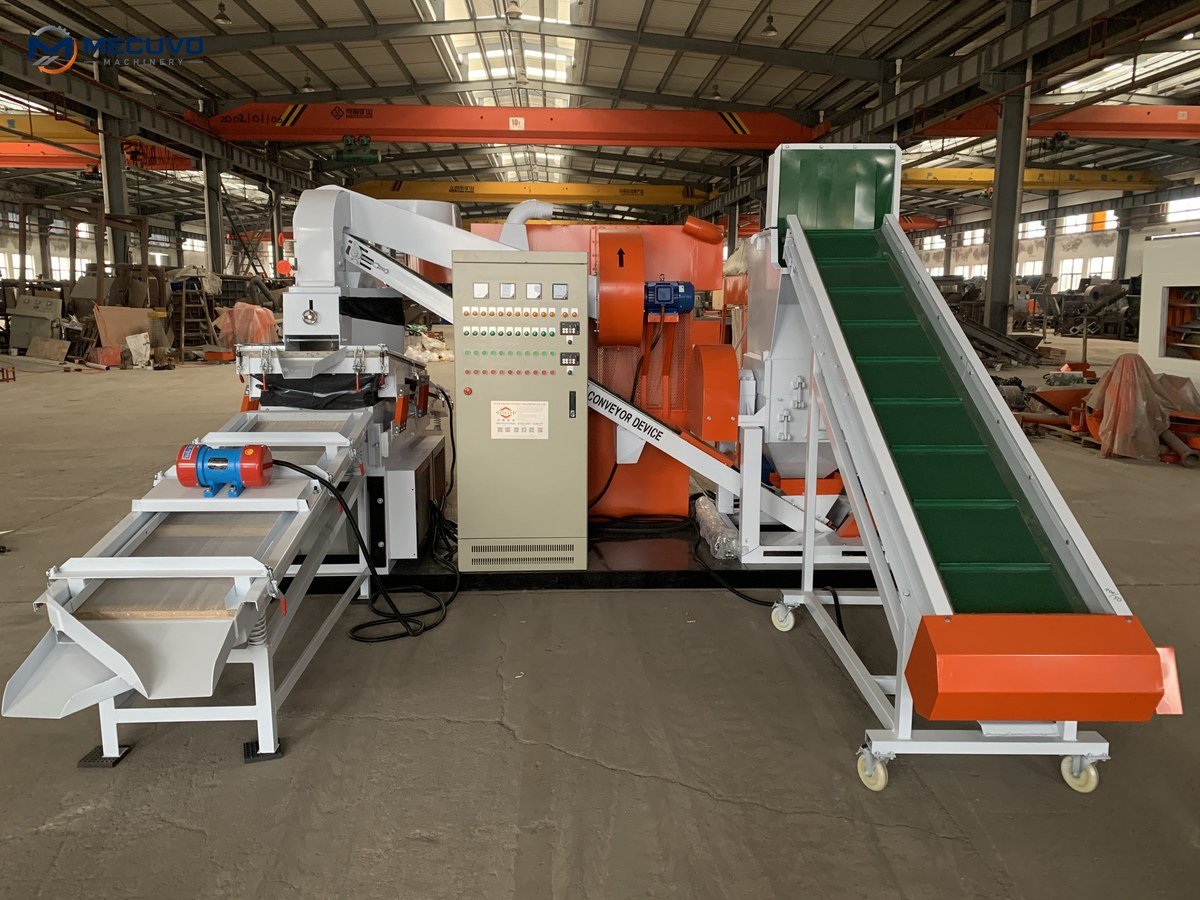
This material differential directly impacts power consumption and chamber thermodynamics. Cutting dense insulation generates substantial friction, requiring adequate motor torque and sharp cutting edges. According to published reference data, the MECUVO product line spans compact units such as the CG-50 rated at 40–60 kg/h with 5.7 kW installed power, mid-tier workhorses such as the CG-200 rated at 200 kg/h with 28 kW, up to industrial multi-stage systems like the CG-1000 rated at 800–1000 kg/h with 76 kW power (reference configurations, to be confirmed in the final quotation). Sizing your electrical supply is a prerequisite: based on U.S. Energy Information Administration industrial power cost benchmarks, continuous heavy operation requires careful energy budget calculations.
| MECUVO Reference Model | Nominal Infeed Capacity (kg/h) | Installed Power (kW) | Drive System | Screen Aperture Range |
|---|---|---|---|---|
| CG-50 | 40–60 | 5.7 | Direct / V-Belt | 2.0–3.0 mm |
| CG-100 | 100 | 24 | High-Torque V-Belt | 2.5–4.0 mm |
| CG-200 | 200 | 28 | High-Torque V-Belt | 3.0–4.5 mm |
| CG-500 | 300–500 | 48 | Dual Motor Line | 3.0–5.0 mm |
| CG-1000 | 800–1000 | 76 | Granulator + Dual Air Tables (Pre-shredder optional) | Multi-Screen |
As detailed in our review of mini starter granulator models, smaller scrap yards processing under 1,000 kg of wire per day can achieve clean recovery with compact single-deck units, while commercial processors benefit from modular multi-stage lines.
Which Separation Method Fits Your Cable Mix: Air Table or Electrostatic?
Achieving commercial copper purity that meets smelter purchasing specifications requires matching your separation technology to the physical dimensions of your cable chops. Dry vibrating air tables separate standard 0.5 mm to 20 mm cable granules effectively using specific gravity differences, while electrostatic separation is required when your scrap feed contains significant volumes of hair-thin wires below 0.3 mm.
Density Stratification vs High-Voltage Electrostatic Fields
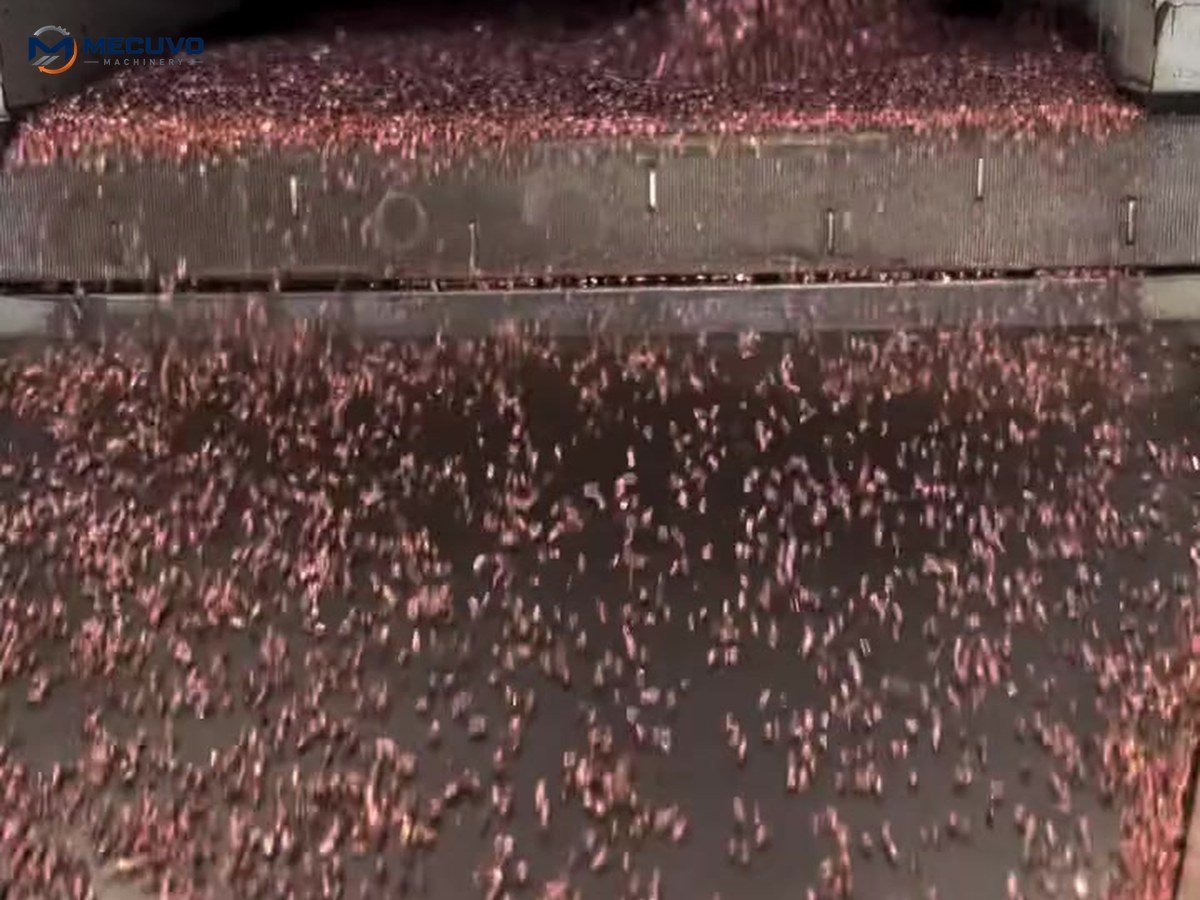
The primary separation stage of modern dry granulators relies on a fluidised vibrating air table. Pure copper has a specific gravity of approximately 8.96 g/cm³, whereas PVC, polyethylene, and rubber insulation range between 1.1 and 1.4 g/cm³. By adjusting the upward airflow through a precision woven wire mesh deck combined with eccentric linear vibration, the heavy copper granules settle onto the deck surface and travel uphill toward the clean metal discharge, while the buoyant plastic flakes float downhill.
However, fluid dynamic resistance alters this relationship when processing ultrafine communication wires, hair-thin coaxial braid, or shredded telephone cords. When copper particle diameter drops below 0.2 mm, aerodynamic drag overcomes the mass differential, causing fine copper dust to remain suspended with the plastic tailings. In these scenarios, adding an electrostatic separator uses high-voltage corona charging to deposit static electrical charges on the non-conductive plastic particles while the conductive copper instantly dissipates charge and discharges into a distinct recovery hopper.
| Separation Stage | Operating Principle | Target Particle Size | Recovery Efficiency | Best Feedstock Match |
|---|---|---|---|---|
| Fluidised Air Table | Specific gravity & aerodynamic drag | 0.5 mm to 6.0 mm | 98.0%–99.5% | Building wire, Romex, power cables, appliance cords |
| Electrostatic Separator | High-voltage corona charge conduction | 0.05 mm to 1.5 mm | 99.5%–99.9% | Automotive harness, Cat5/6 data cables, telecommunication braid |
| Magnetic Drum Roller | Magnetic flux attraction | Cross-stream | High-efficiency ferrous separation (>99% tramp iron) | Armored cable offcuts, steel messenger wires, iron plugs |
To achieve commercial ISRI Clove grade specifications requiring 99% minimum copper purity, understanding your feedstock composition is essential before specifying secondary refining hardware.
What Critical Engineering Features Must You Check Before Placing an Order?
Factory spec sheets often highlight outward dimensions while omitting critical details regarding cutting chamber steel grades, bearing protection, and compliance safeguards. Before signing a machinery contract, verify cutting blade metallurgy (preferring D2 or SKD-11 tool steel), dual-lip labyrinth bearing seals, OSHA-compliant physical guarding, and documented spare wear-part packages.
Auditing Rotor Geometry, Bearings, and Safety Provisions
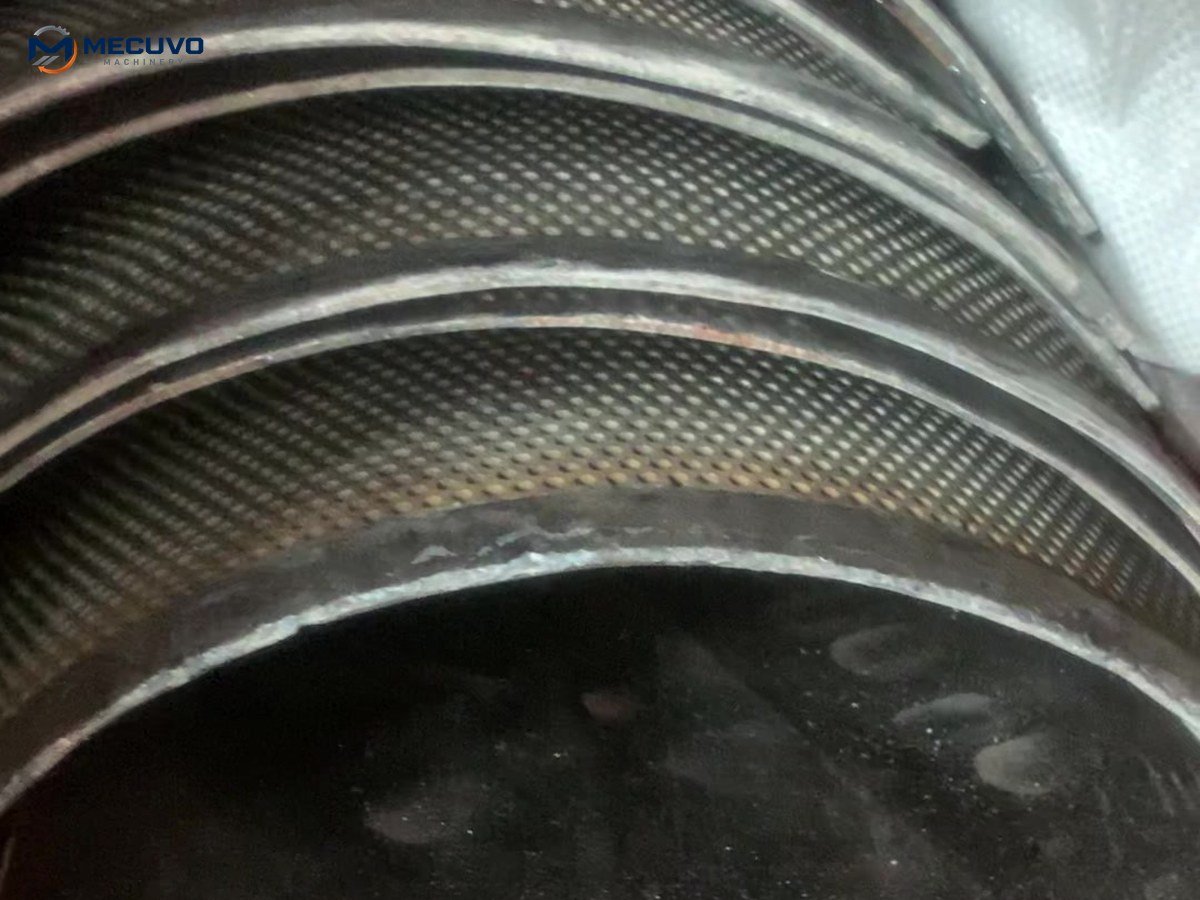
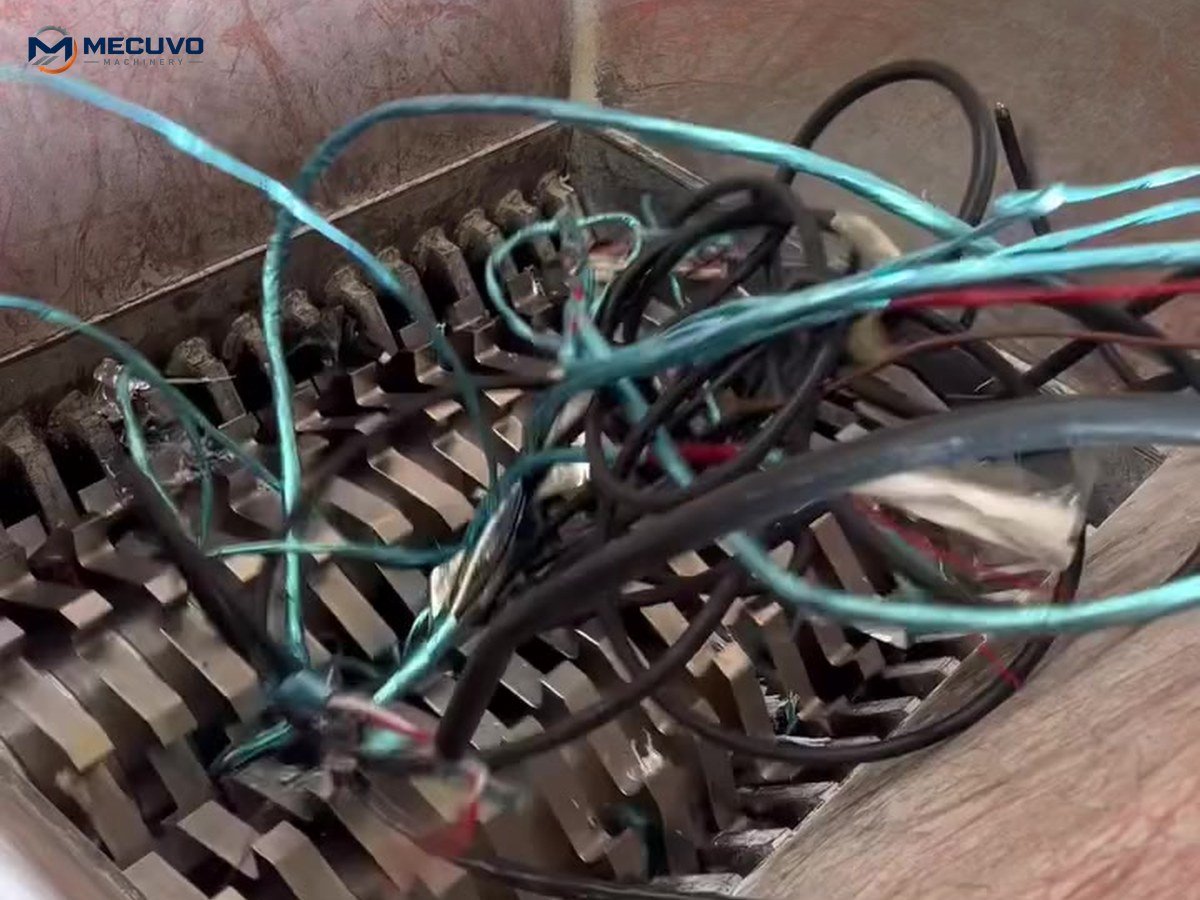
The structural heart of any granulator is its cutting chamber. Inexpensive machines frequently utilise soft 9CrSi carbon steel blades that dull within 40 operating hours when cutting abrasive wire jackets. High-performance industrial lines insist on high-carbon, high-chromium D2 (AISI) or SKD-11 tool steel vacuum heat-treated to 58–60 HRC. Furthermore, examine the blade arrangement: progressive staggered or scissor-cut rotating knives reduce peak cutting shock, draw lower instantaneous amperage, and prevent thermal plastic melting inside the chamber compared to blunt straight-edge designs.
Safety and installation compliance must align with established standards. Under OSHA 29 CFR 1910.212, all power transmission belts, infeed chutes, and discharge points must feature rigid interlocked physical guards, and fixed machinery must be bolted securely to an engineered concrete foundation to prevent structural wandering. Review electrical enclosure construction to ensure proper component isolation and emergency stop circuits.
When evaluating what determines copper granulator quotes, demand a detailed bill of materials covering rotor bearings, air blower CFM ratings, pulse-jet dust filter fabric specifications, and an initial wear-part package including extra screen cradles and replacement knife sets.
To evaluate the right granulator configuration for your facility, submit your target hourly volume, wire cross-section photos, and local three-phase electrical specifications through our engineering inquiry page.
Key Takeaways
Evaluate granulators by matching your specific cable mix to certified cutting metallurgy, proven air-table separation physics, and verified workplace safety standards rather than relying on unverified maximum capacity claims.
— YOUR RECYCLING PROJECT
Find the right machine for your material.
Tell us your material and required capacity.
Or email sales@mecuvo.com