Table of Content
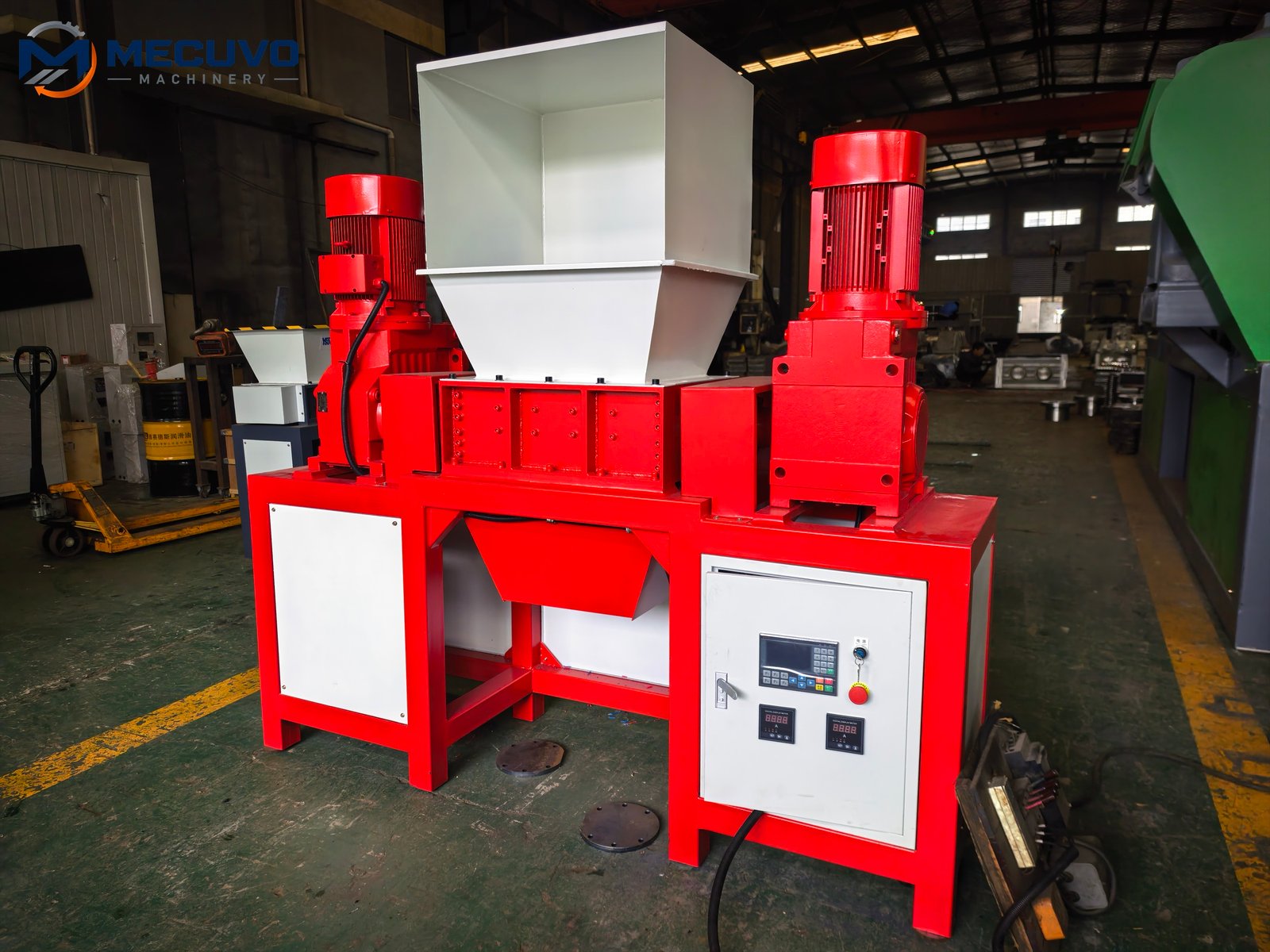
Scrap processors expanding their non-ferrous recovery operations frequently evaluate whether to invest in an electric motor recycling machine or a copper wire granulator. While both systems extract high-purity copper, their input feedstocks, mechanical principles, and downstream scrap commodities represent entirely different operational domains. A scrap yard needs an electric motor recycling machine (such as the MECUVO MR-Mini or MR-20/30 stator cutter and puller) if its incoming material stream consists of discarded industrial motors, compressor stators, and appliance drives (ISRI ‘Elmo’ scrap). Conversely, a yard requires a copper wire granulator (MECUVO CG series) if its primary feedstock is insulated electrical wiring, automotive harnesses, and multi-core cables. Operations handling both scrap streams achieve maximum profitability by pairing a motor puller to extract heavy enameled copper windings with a granulator to process loose cables. Below, we analyze the metallurgical properties of motor stators versus insulated wire, compare hydraulic pulling mechanics against high-speed rotary granulation, and examine the capital allocation trade-offs.
Feedstock Metallurgy: Electric Motor Stators (Elmo) vs Insulated Copper Cable
We contrast the metallurgical composition, physical geometry, and scrap supply chains of electric motors versus insulated copper wire. Motors combine heavy laminated silicon steel cores with varnish-insulated copper windings; cables consist of copper conductors surrounded by flexible polymer jackets.
Structural and metallurgical contrast between motor scrap and cable scrap
Scrap metal recyclers must clearly distinguish between electric motor scrap and insulated wire scrap. Although both streams yield high-grade copper, their structural composition requires completely different extraction strategies.
Electric Motor Scrap (ISRI Code: ‘Elmo’)
Electric motors from industrial machinery, water pumps, air conditioning compressors, and home appliances represent a composite metallurgical package:
- Laminated Silicon Steel Stator Core: Stators are constructed from hundreds of thin, tightly stamped electrical steel sheets (0.35 mm to 0.50 mm thick) pressed under high tonnage into a solid cylindrical block. Silicon steel is exceptionally tough and abrasive.
- Enameled Copper Magnet Wire: Motor windings consist of tight coils of solid copper wire coated in a microscopic, baked-on insulating varnish or polyester resin. In standard three-phase stators, copper represents approximately 10% to 15% of the total stator weight, with the remaining 85% to 90% comprising heavy magnetic steel.
- Dismantling Requirement: Whole motors trade at a substantial discount under the ISRI ‘Elmo’ specification because smelters cannot melt iron and copper together without severely contaminating finished steel. Separating the copper windings from the iron core unlocks immense commodity premiums.
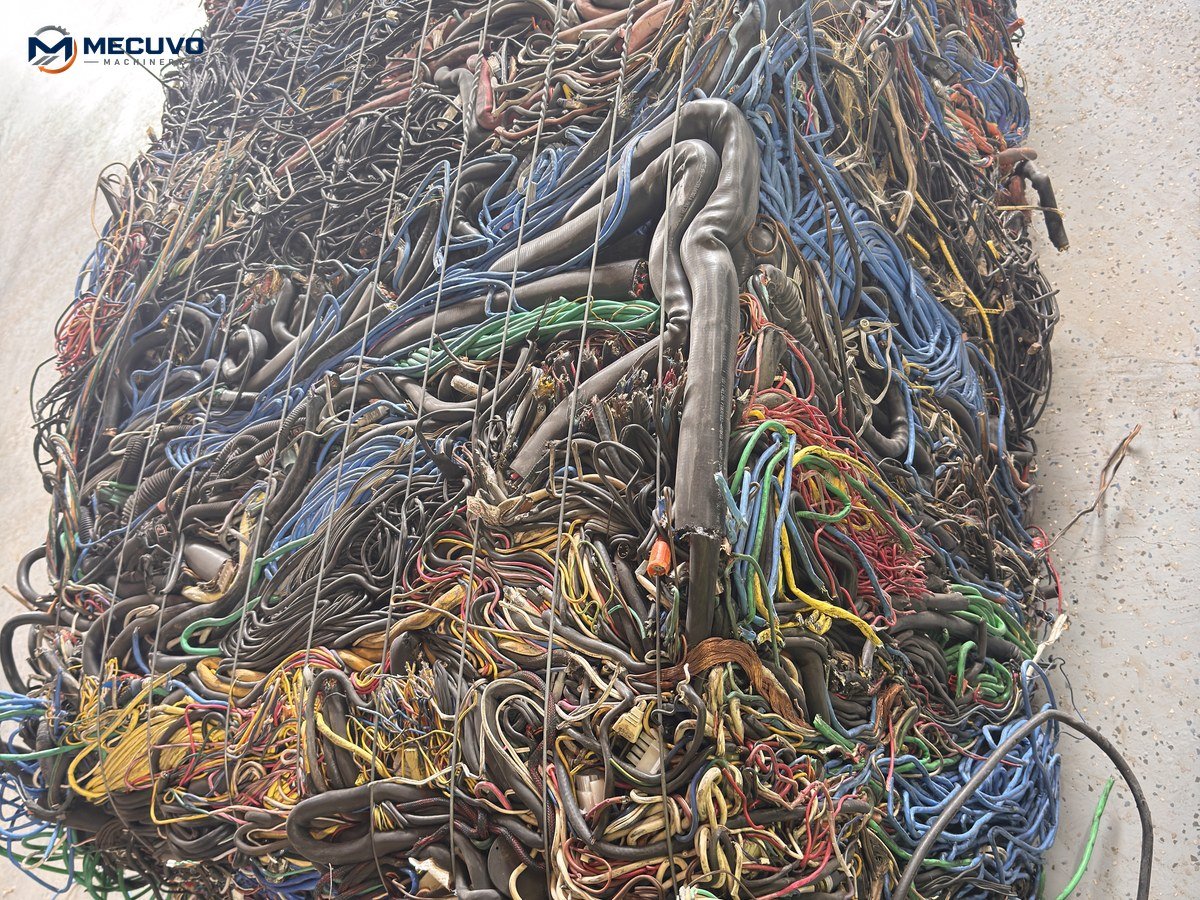
Insulated Copper Cable Scrap
Insulated wiring arises from building demolition, electrical contracting, automotive harnesses, and telecom lines:
- Polymer Insulation: Conductors are jacketed in flexible thermoplastic polymers, including polyvinyl chloride (PVC), cross-linked polyethylene (XLPE), or synthetic rubber.
- Copper Yield: Insulated cable typically yields between 40% and 75% pure copper by weight, with the remainder being lightweight polymer flakes.
- Separation Mechanism: Cable processing requires liberative chopping followed by specific-gravity air density separation to float plastic away from heavy copper.
Mechanical Principles: Hydraulic Stator Cutting & Pulling vs Rotary Cable Granulation
We contrast the hydraulic shearing force of motor wreckers against the high-speed scissor cutting action of cable granulators. Motor machines use 20-30 tons of hydraulic force to slice winding crowns and pull bundles; granulators use 500 RPM rotary tool steel knives against bed screens.
Hydraulic crushing force versus aerodynamic rotary granulation
The mechanical architectures of electric motor recycling machines and copper wire granulators reflect the distinct physics required to process their respective feedstocks.
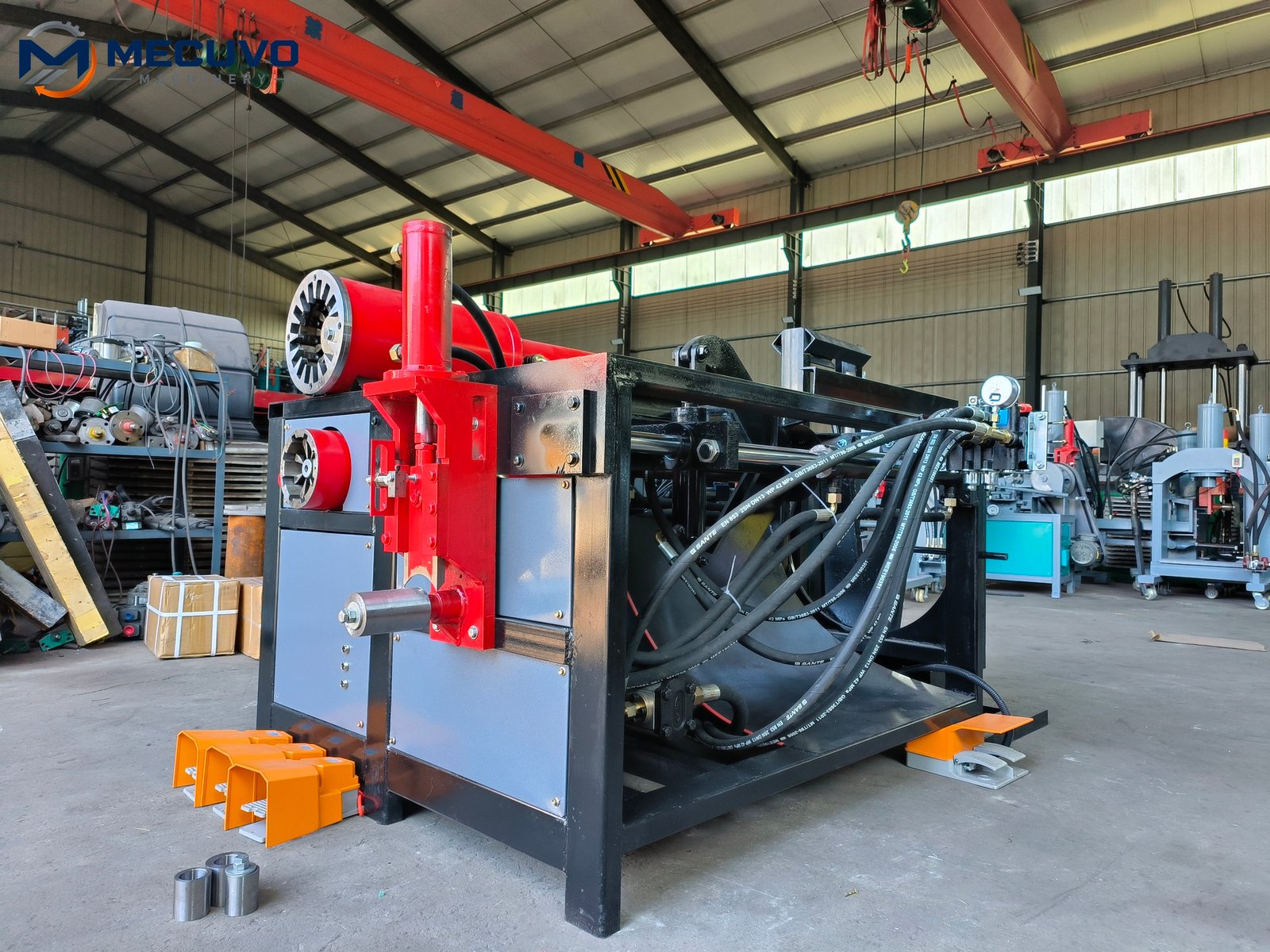
1. Electric Motor Stator Recycling Machines (MECUVO MR-Mini / MR-20 / MR-30)
Motor recycling machinery operates via low-speed, high-tonnage hydraulic force:
- Station 1 (Hydraulic Crown Shearing): The operator rests the motor stator vertically on an adjustable support table. A foot pedal activates a heavy hydraulic cylinder generating high shearing force, driving an alloy steel wedge blade through one end of the stator copper coils, cleanly severing the crown.
- Station 2 (Hydraulic Clamping and Pulling): The operator transfers the stator to the pulling deck. Heavy hydraulic gripping jaws clamp the stator body, while pulling claws engage the winding loop. A main cylinder retracts with high tensile force, sliding the enameled copper bundle cleanly out of the steel stator slots.
- Installed Power & Speed (Reference): Driven by energy-efficient hydraulic power units—from 3 kW on the compact MR-Mini up to 5.5 kW (MR-20/30) and 7.5 kW (MR-40)—processing typically 30 to 100 stators per hour with low operating noise, minimal dust, and zero water requirements (ratings confirmed per quote).
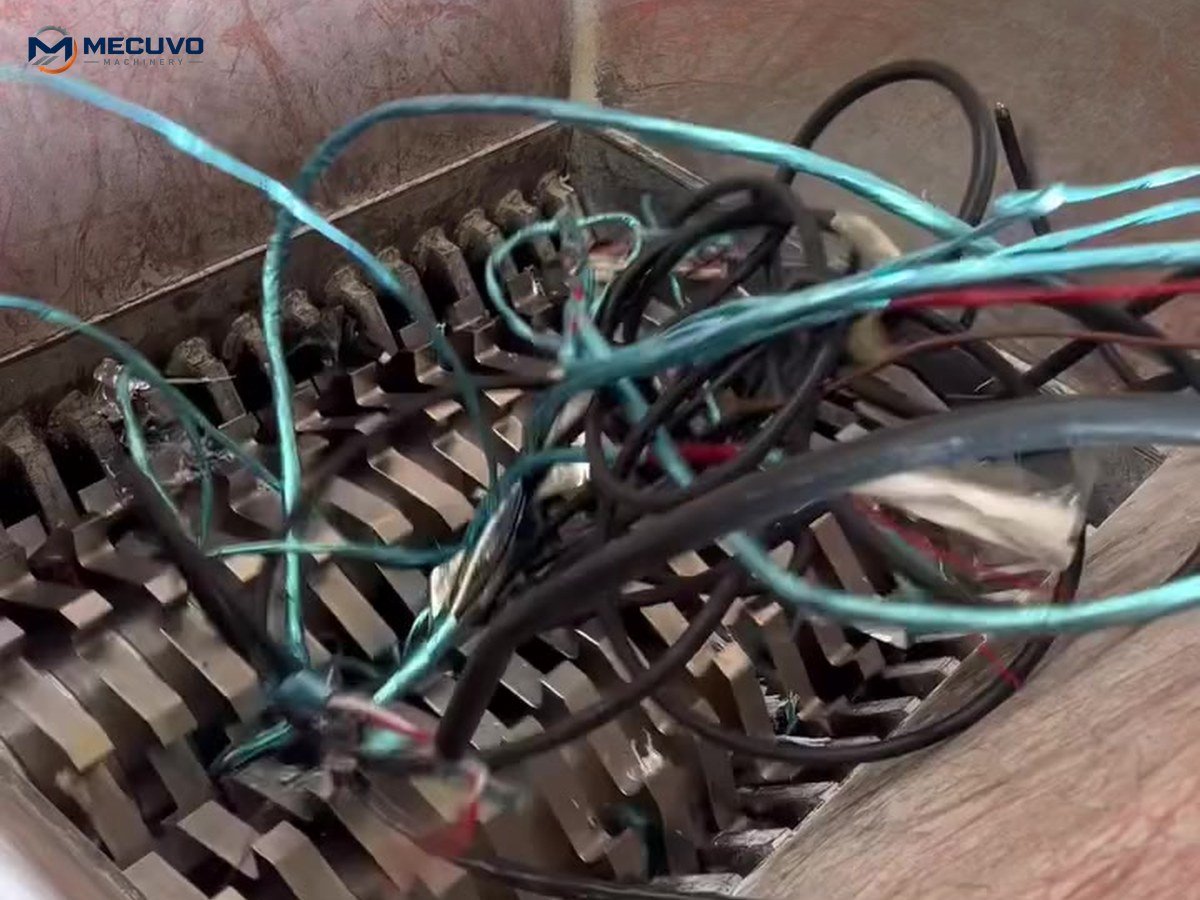
2. Copper Wire Granulators (MECUVO CG-100 to CG-1000)
- Rotary High-Speed Cutting: The granulator utilizes a precision-machined rotor spinning at 500 to 650 RPM carrying 10 to 18 high-alloy tool steel knives (D2/SKD-11). The knives shear flexible cables against stationary bed blades with a clearance gap of 0.20 mm to 0.30 mm.
- Dry Vibratory Separation: The sheared copper-plastic mixture falls through a 2.5 mm to 4.0 mm screen into an air-density vibratory fluidization table, where laminar air currents float plastic tailings away while eccentric motion drives 99%+ clean copper chops into collection bins.
- Installed Power & Capacity: 24 kW to 120 kW total connected load, processing 80 kg/h to 1,000 kg/h of mixed insulated cable.
Note: All model parameters cited represent reference configurations, to be confirmed in the final quotation.
Scrap Commodities Produced: Intact Enameled Windings vs Granulated Copper Chops
We examine the scrap grades, refinery acceptance, and pricing realization of motor copper windings versus granulated wire chops. Motor machines produce heavy enameled copper bundles (ISRI Birch/Cliff) and clean silicon steel cores; granulators produce bright granulated chops (ISRI Berry/Barley).
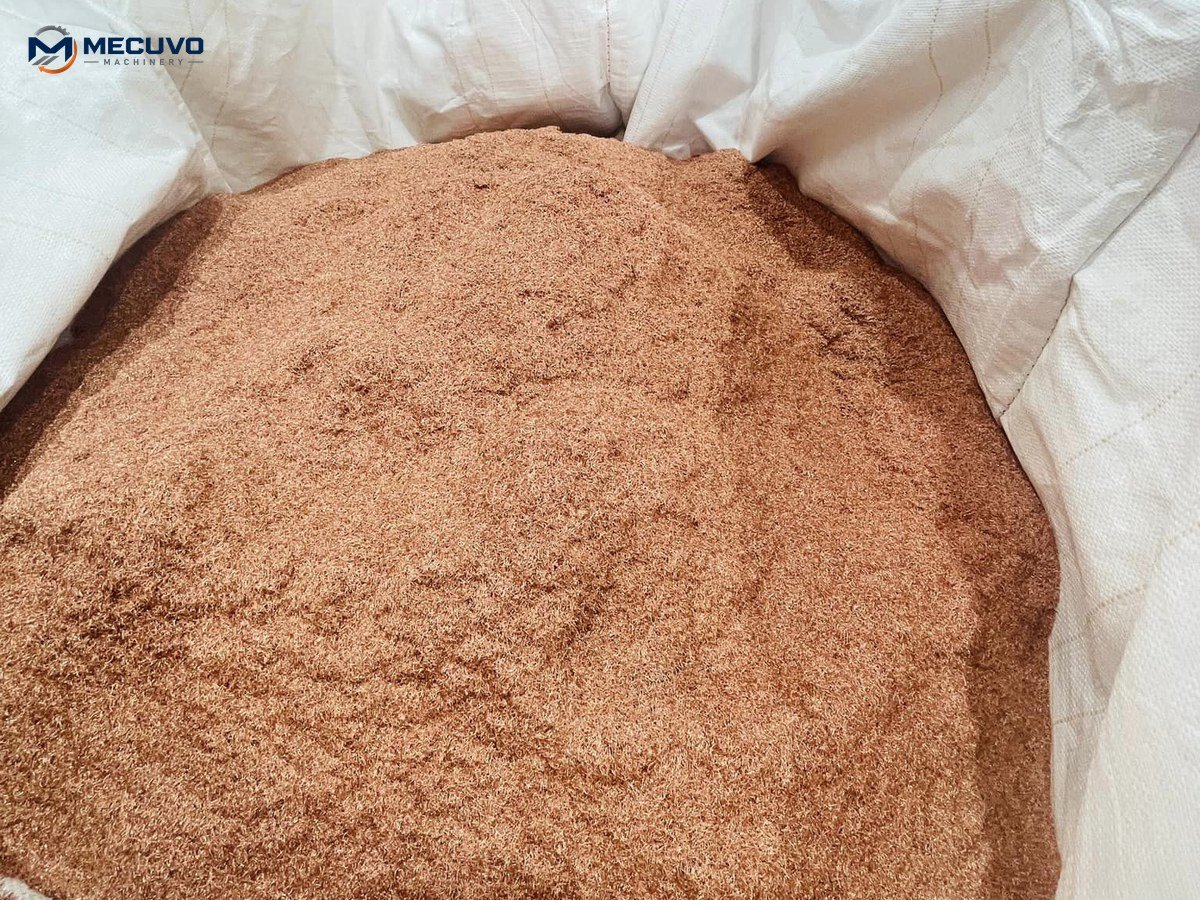
Commodity specifications, smelter demand, and byproduct scrap realization
The two machine classes produce fundamentally different commodity grades, each serving specific metallurgical markets.
1. Products from Electric Motor Recycling
A hydraulic motor wrecker discharges two distinct commercial commodities:
- Heavy Enameled Copper Windings (ISRI Code: ‘Birch’ or ‘Cliff’): The pulled copper coils are substantially free of iron and plastic. Because they are coated with a thin insulating enamel rather than heavy polymer jackets, copper smelters purchase them readily as premium scrap. The dense bundles can be pressed into briquettes or fed directly into foundry melting furnaces.
- Clean Silicon Electrical Steel Laminations: The remaining stator core consists of laminated silicon electrical steel with minimal copper residual. Secondary steel mills and electric arc furnaces (EAF) value clean silicon electrical steel scrap over ordinary shredded sheet metal.
- High Material Recovery: The mechanical dismantling process recovers clean metallic commodities with minimal processing residues.
2. Products from Copper Wire Granulation
A copper granulator produces: High-Purity Copper Chops (ISRI Code: ‘Berry’ or ‘Barley’): High-density, bright granulated copper particles with 99%+ metal purity. Copper rod mills, cathode producers, and brass manufacturers purchase Berry chops at top market index prices. Clean Plastic Tailings (PVC / PE): The separated polymer flakes can be sold to plastic compounders for manufacturing extruded drainage pipes, traffic cones, and rubber-modified flooring.
Capital Priority and System Synergy: Sizing Your Yard’s Phased Equipment Deployment
We provide a decision framework to help scrap yards prioritize capital investment and demonstrate how both machines complement each other. Buy a motor wrecker first if you receive steady compressor/pump stators; buy a granulator first for general demolition wire; combine both to process all non-ferrous intake.
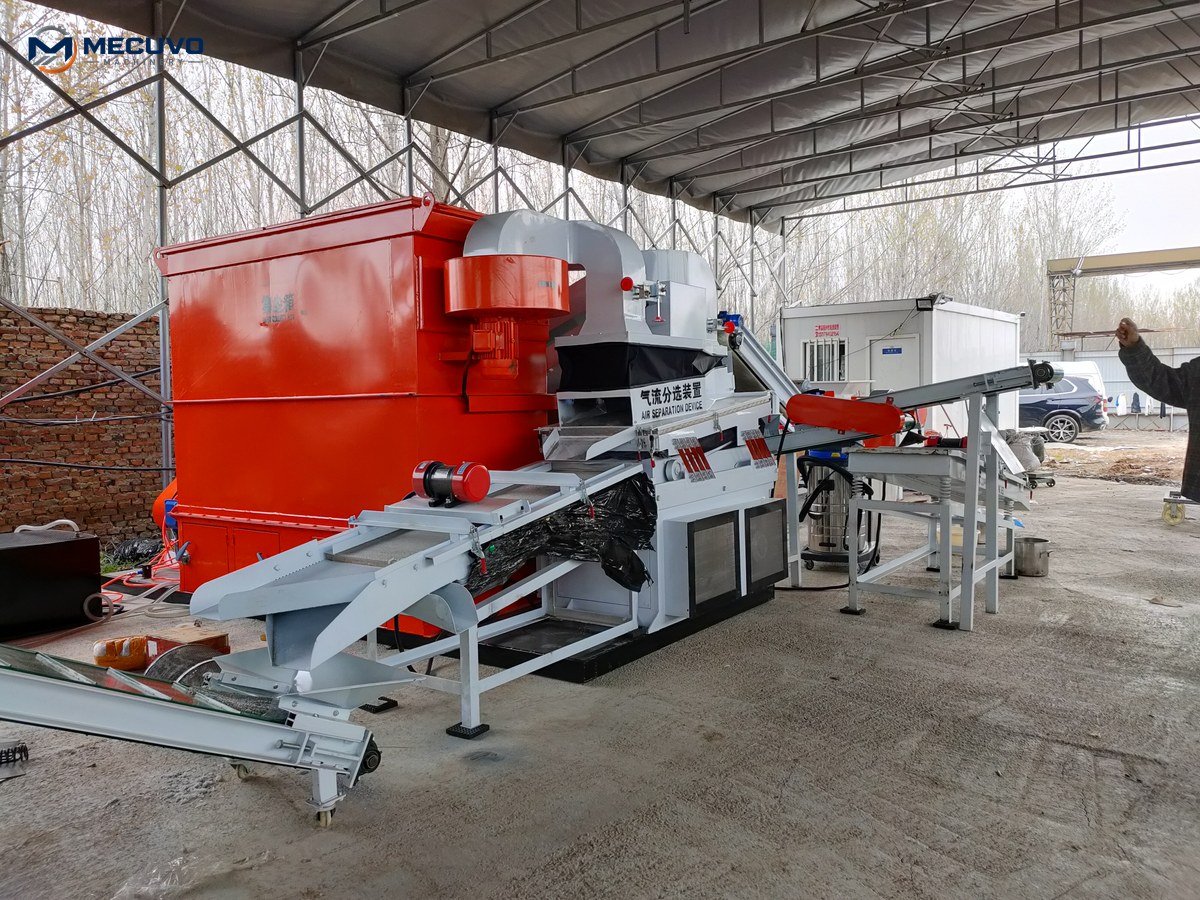
Capital allocation decision matrix and multi-stream yard engineering
When evaluating your yard’s capital expenditure, examine your historical scrap intake and regional customer base.
The Investment Decision Framework
| Yard Profile & Core Intake | Recommended Equipment Priority | Operational Rationale |
|---|---|---|
| Demolition & Electrical Focus | Copper Wire Granulator (CG-100 / CG-200) | Wire flows continuously year-round from contractors; granulator addresses the broadest possible feedstock. |
| Compressor & Auto Dismantling Focus | Motor Recycling Machine (MR-Mini / MR-20) | High daily intake of air conditioning compressors, alternators, and pump stators; low 4–7.5 kW electrical demand. |
| Full-Service Non-Ferrous Processor | Combined Motor Wrecker + Cable Granulator | Stator puller extracts heavy winding bundles; granulator processes wiring harnesses and cable coils. |
Operational Synergy: Combining Both Systems
In a fully developed non-ferrous recycling yard, the two machines operate in seamless synergy: 1. Low Connected Electrical Footprint: A hydraulic motor machine (4 kW to 7.5 kW) and a mid-size cable granulator (28 kW) can easily share a single 100A to 125A commercial electrical distribution panel without requiring a utility transformer upgrade. 2. Flexible Labor Utilization: An operator can dismantle a pallet of electric motors during the morning shift, then switch to running the automated cable granulator in the afternoon. 3. Downstream Copper Chipping: Recyclers seeking to standardize their output can feed extracted stator copper bundles into a secondary copper granulator equipped with heavy-duty D2 knives, converting enameled wire into uniform copper chops for specialized foundry buyers.
Contact MECUVO Engineering for Machinery Recommendations
To assess your yard’s non-ferrous scrap inventory and receive detailed layout drawings and commercial proposals for both electric motor wreckers and copper granulators, send your motor and stator photos, diameter ranges, and intake volume through the contact page.
Key Takeaways
Deploy an electric motor recycling machine to extract heavy enameled copper windings and clean silicon steel from stator cores with low electrical power, or invest in a copper granulator to process high-volume polymer-jacketed scrap wire into premium Berry/Barley chops.
— YOUR RECYCLING PROJECT
Find the right machine for your material.
Tell us your material and required capacity.
Or email sales@mecuvo.com