Table of Content
Growing scrap metal yards facing budget constraints often deliberate whether to invest first in a copper cable granulator or a copper-aluminum radiator recycling machine. Both processing lines target high-value non-ferrous metals, yet their feedstock availability, mechanical complexity, and labor requirements differ fundamentally. A scrap yard should purchase a copper cable granulator first if its regular monthly intake consists predominantly of mixed insulated electrical wiring (Romex, telecommunication, industrial, or automotive cables) totaling over 5 metric tons monthly. Conversely, a yard should prioritize a radiator recycling machine (such as an RR-1200 stripper or an RR-1000 crushing line) if it maintains a steady influx of decommissioned commercial HVAC coils and automotive radiators from demolition contractors and auto dismantlers, where copper and clean aluminum fin fractions can be separated rapidly with minimal electrical connected load. Below, we compare the mechanical architectures, feedstock economics, regulatory compliance standards, and throughput dynamics of both machine categories to determine the optimal capital allocation strategy.
Feedstock Dynamics: Insulated Wire Inflow vs HVAC and Automotive Radiator Supply
We contrast the commercial availability, seasonal volume swings, and supplier networks for insulated wire versus copper-aluminum radiators. Cable scrap provides consistent, year-round volume across demolition and electrical trades, while radiator supply concentrates around HVAC upgrades and auto wrecking.
Scrap generation sources, volume predictability, and seasonal patterns
The primary criterion when allocating capital between a cable granulator and a radiator recycling machine is the source and stability of your scrap metal intake. Both machines process non-ferrous scrap, but their supply chains behave very differently.
Insulated Copper Wire Dynamics
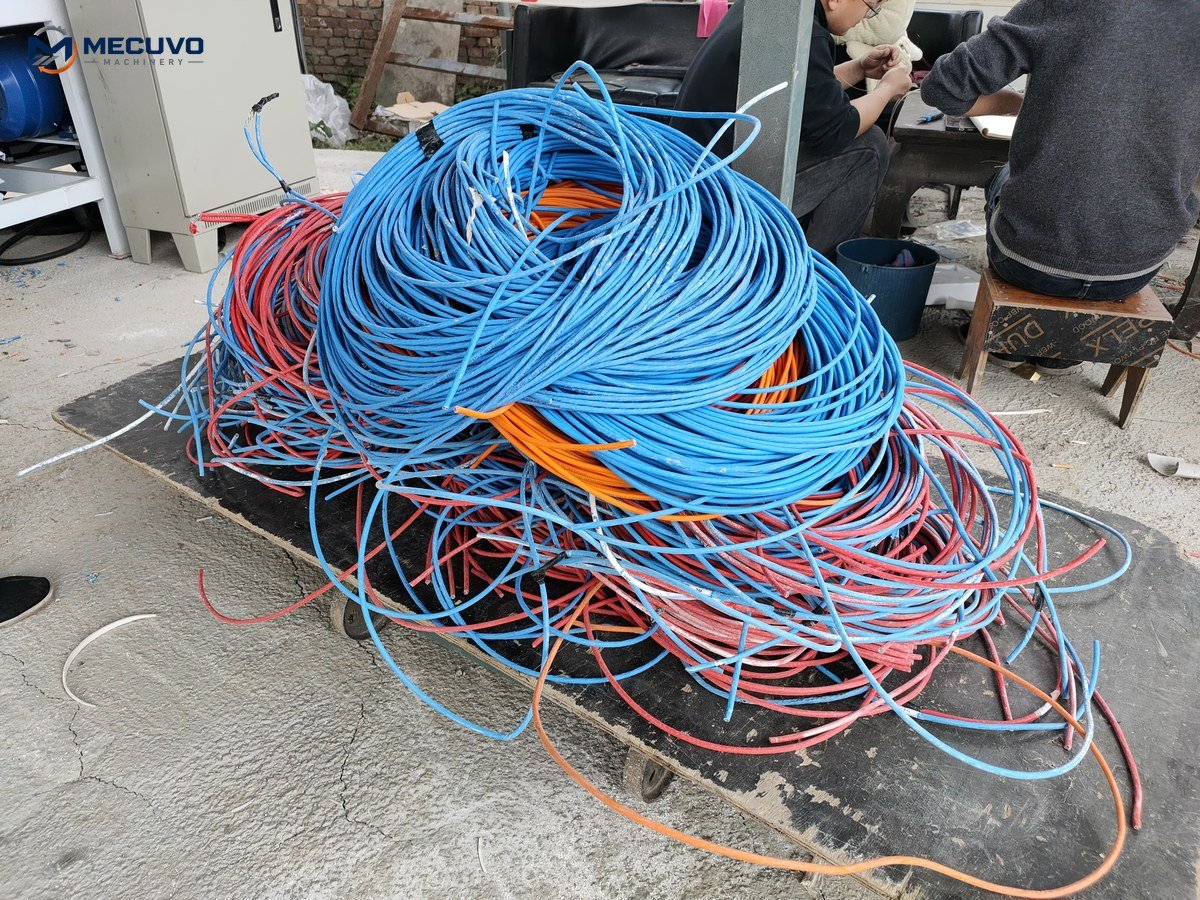
Insulated electrical cable represents one of the most liquid and universal scrap commodities in the recycling sector:
- Diverse Inflow Channels: Sourced from demolition contractors, electrical contractors, telecom upgrades, appliance recyclers, and auto shredder residue.
- Volume Stability: Wire scrap flows into yards continuously year-round, minimizing machine idle time.
- Storage and Handling: Cable coils and wire bundles can be stored in gaylord boxes or loose piles outdoors without weather degradation prior to granulation.
Radiator Scrap Dynamics (Copper-Aluminum Coils)
Copper-aluminum radiators (classified as Talk or Ocean under ISRI scrap specifications) arise from two specific industry streams:
- HVAC and Air Conditioning Replacements: Commercial chillers, rooftop condenser units, and residential split-system heat exchangers discarded during building renovations. HVAC coil supply spikes during spring and summer replacement cycles.
- Automotive Dismantling: Air conditioning condensers and heater cores salvaged from end-of-life motor vehicles.
- Regulatory Handling: Under US EPA Section 608 and international clean air rules, HVAC coils must have all residual refrigerants certified evacuated before mechanical cutting or shredding.
If your facility operates in an urban demolition corridor with steady wire deliveries, a copper granulator ensures immediate daily utilization. If your yard is situated near commercial air conditioning contractors or automobile dismantlers, specialized radiator equipment unlocks immense non-ferrous profit margins.
Machine Mechanics: Radiator Strippers (RR-1200) vs Full Crushing Plants (RR-1000) vs Cable Granulators
We compare the engineering architectures, cutting mechanisms, and power requirements of radiator strippers against cable granulators. Radiator strippers (4-5.5 kW) cleanly strip straight coils; crushing plants (45-90 kW) shred tangled radiators; cable granulators (24-120 kW) process insulated wires via dry air fluidization.
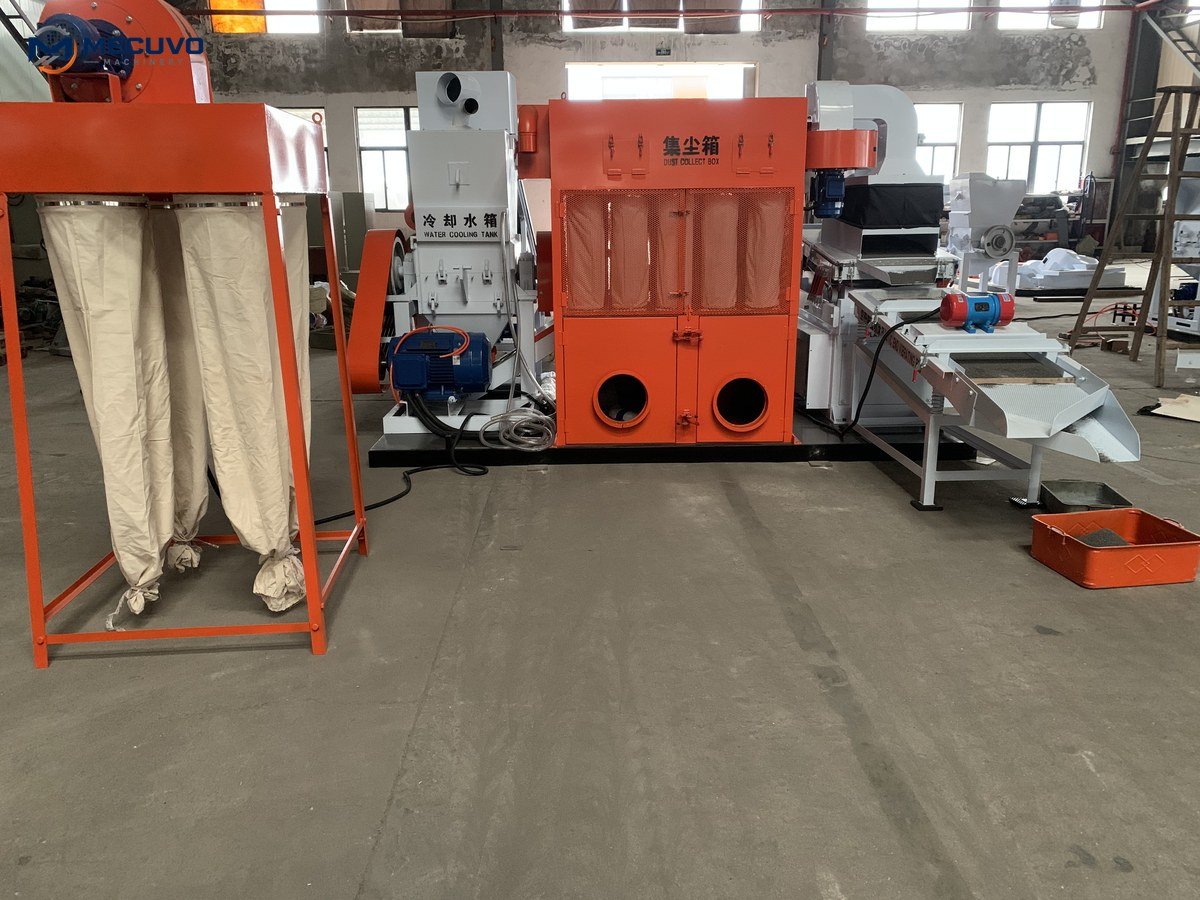
Mechanical operational principles and electrical power comparisons
Understanding the distinct engineering principles of radiator recycling equipment versus cable granulators is essential for accurate equipment selection.
1. Radiator Stripping Machines (MECUVO RR-1200P / RR-1200S)
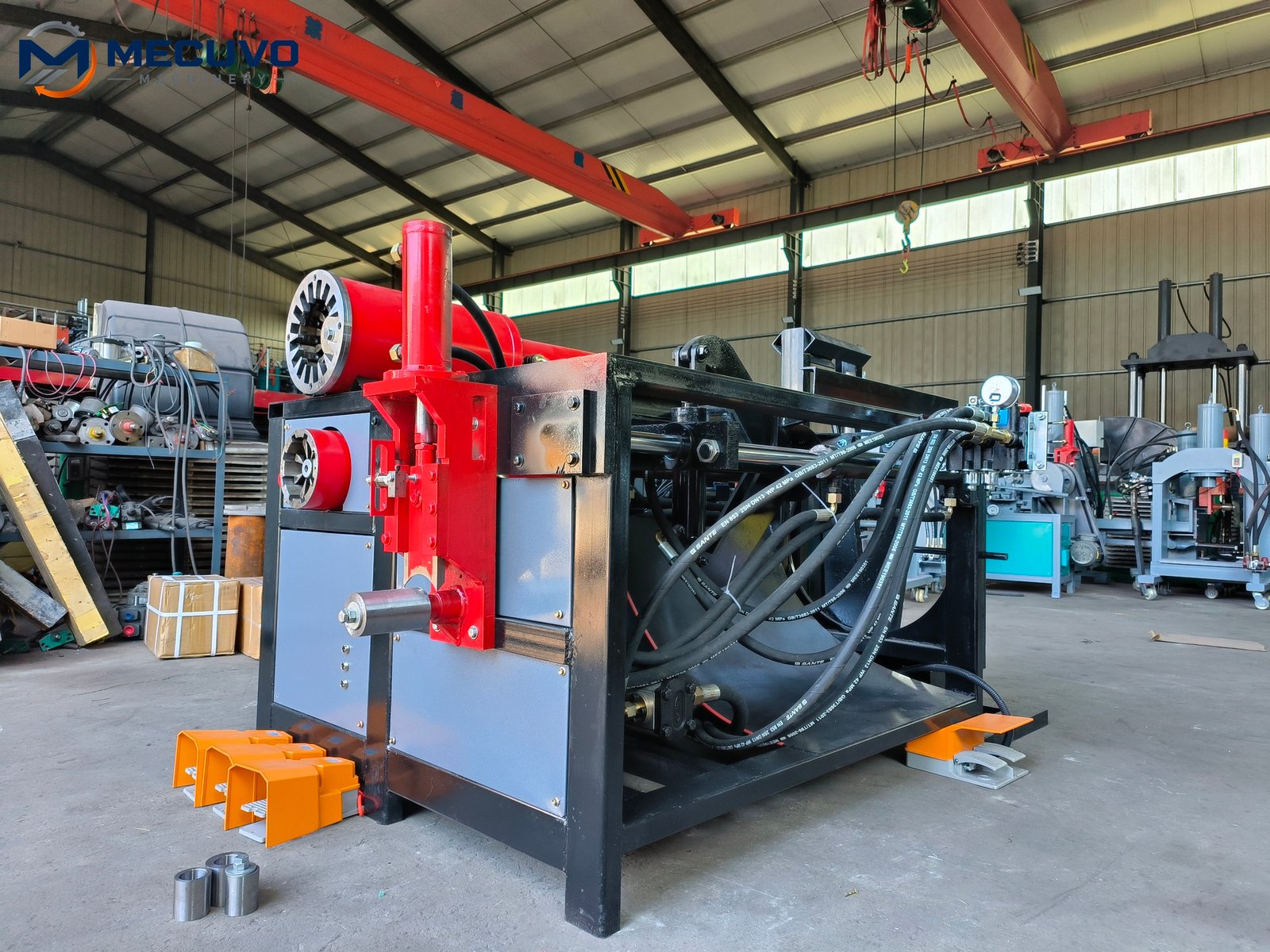
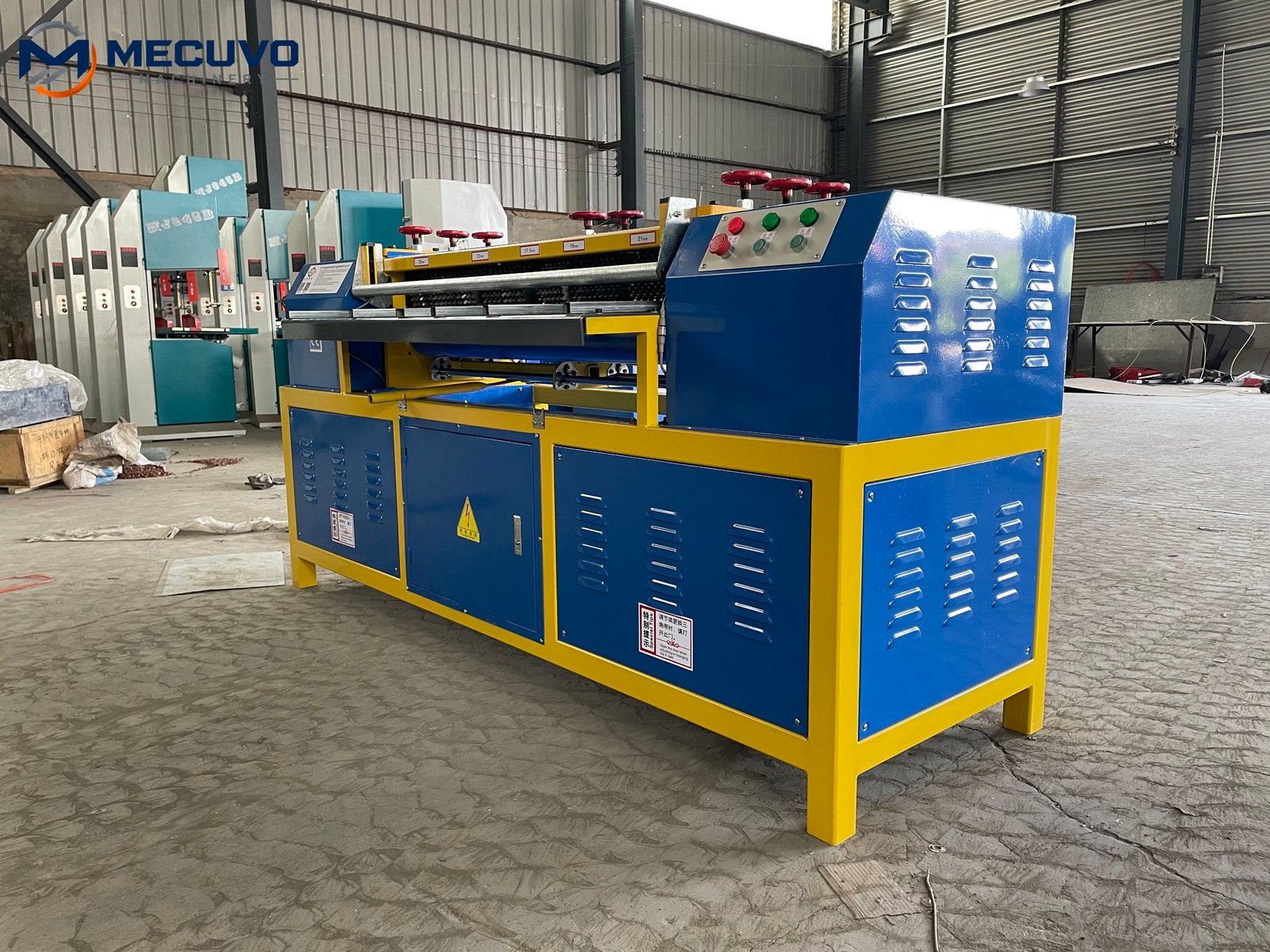
Radiator strippers represent an elegant, low-energy mechanical solution for intact copper-aluminum heat exchangers: Operating Principle: The operator trims the iron side plates and feeds the intact radiator panel into adjustable guide rollers. High-hardness rotary disc knives slit the aluminum fin bridges along the copper pipe rows, peeling away clean aluminum fin blocks and discharging intact, straight copper tubes. Electrical Demand: Powered by a compact 4.0 kW to 5.5 kW three-phase motor. Output Commodities: Discharges whole No. 1 copper tubing and clean, un-melted aluminum fin blocks with zero metal loss and no dust generation. Limitations: Coils must be relatively straight and unbent; center-to-center tube spacing must match standard machine settings (typically 19 mm, 21 mm, or 25 mm).
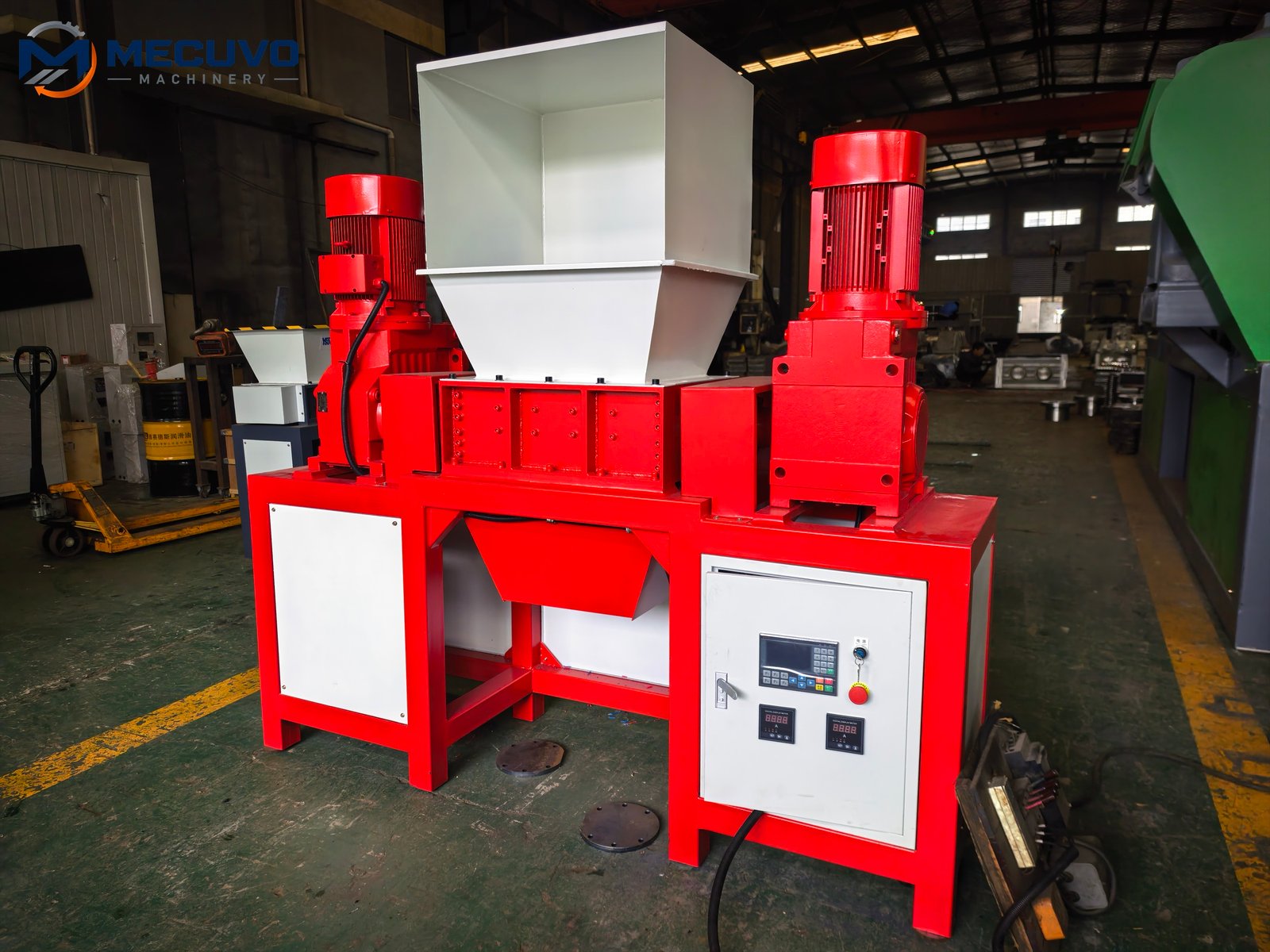
2. Turnkey Radiator Crushing Plants (MECUVO RR-1000 / RR-1200 Series)
For high-volume yards handling bent, twisted, or multi-layer commercial HVAC coils:
- Operating Principle: A heavy dual-shaft pre-shredder crushes the radiators into chunks, followed by a vertical hammer mill or secondary granulator that liberates copper from aluminum fins. An overband magnet removes iron end-plates, and multi-stage air density separation yields clean copper and aluminum fractions.
- Throughput & Power (Reference): The RR-1000 crushing plant delivers approx. 2–3 t/h capacity with ~210 kW connected line load, while the high-capacity RR-1200 line delivers approx. 5 t/h with ~242.55 kW connected load (configurations confirmed per quotation).
3. Copper Cable Granulators (MECUVO CG Series: CG-100 to CG-1000)
- Operating Principle: Insulated wires are sheared against a fine bed screen (2.0 mm to 4.0 mm) by a high-speed scissor rotor. The resulting copper-plastic mixture is separated across a fluidized vibrating air table, yielding 99%+ pure copper chops and plastic tailings.
- Throughput & Power: Ranges from 100 kg/h (24 kW) on the CG-100 to 800–1,000 kg/h (76 kW reference) on the CG-1000.
Note: All model parameters cited represent reference configurations, to be confirmed in the final quotation.
Capital Allocation Framework: Processing Speed, Labor Intensity, and Metal Recovery Spreads
We analyze labor requirements, electrical operating costs, and metal recovery economics to help scrap yards evaluate capital priority. A radiator stripper requires minimal power and single-operator staffing to double the value of HVAC coils; a granulator requires higher power but addresses a wider universal wire stream.
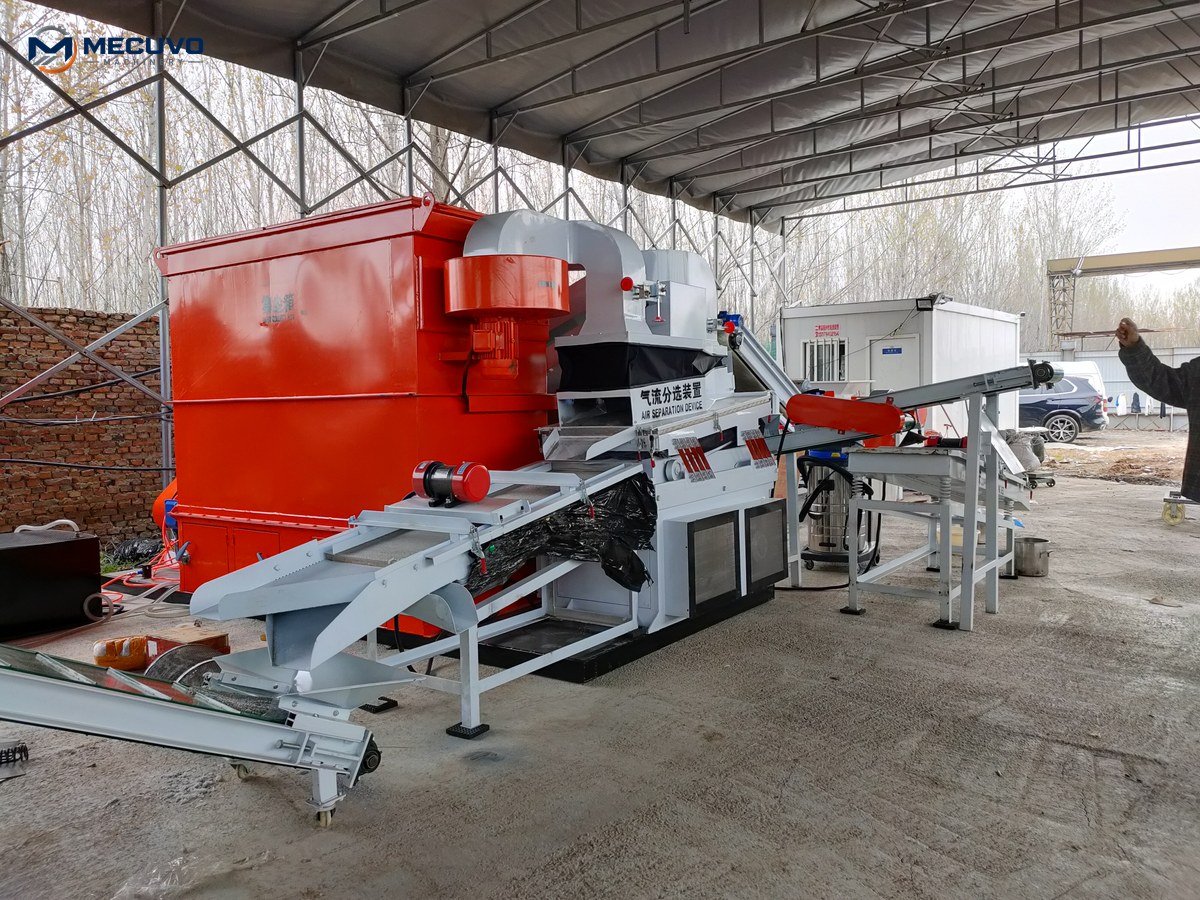
Operational economics and processing margin comparison
When choosing where to deploy capital first, scrap yard managers must analyze the value spread between buying un-processed scrap and selling separated clean metals.
Value Added per Metric Ton = Clean Recovered Metal Value – (Raw Unprocessed Scrap Cost + Processing OPEX)
The table below contrasts the operational profiles of entry-commercial machines in each category:
| Operational Metric | Radiator Stripper (RR-1200P) | Cable Granulator (CG-100 / CG-200) | Radiator Crushing Plant (RR-1000) |
|---|---|---|---|
| Target Feedstock | Intact Copper-Aluminum Coils | Insulated Copper Wire & Cable | Bent/Mixed HVAC & Auto Radiators |
| Processing Capacity (Reference) | Approx. 3 t / 8 h (~375 kg/h) | 100–200 kg/h | Approx. 2–3 t/h (2,000–3,000 kg/h) |
| Connected Electrical Power | 3 + 4 kW (7 kW total) | 24–28 kW | Approx. 210 kW (complete line) |
| Electrical Service Requirement | 16A–32A breaker | 63A–100A breaker | Dedicated industrial substation (~400A+ at 400V) |
| Recovered Commodities | No. 1 Copper Pipe + Clean Al Fins | High-Purity Copper Chops (Clove grade) | Copper Chops + Aluminum Chops |
| Primary Secondary Waste | None (direct metal peeling) | Clean PVC/PE plastic flakes | Residual fluff / trace iron |
| Labor Staffing | 1 Operator | 1 Operator (+1 sorter for dirty wire) | 2–3 Operators |
| Tooling Wear Profile | Hardened rotary slitting discs | Granulator blades (sharpen 150-250h) | Crusher hammers and wear liners |
Economic Case for the Radiator Stripper
Because the RR-1200 stripper draws only 4 to 5.5 kW of electricity, electrical operating costs are virtually negligible. A single operator can process up to 3 to 4 metric tons of clean HVAC coils in a standard working shift. The machine immediately unlocks the price spread between buying mixed ‘Talk’ radiators and selling pure No. 1 copper tubing plus clean aluminum sheet clips.
Economic Case for the Copper Granulator
While a copper granulator incurs higher electrical power demand (24 kW to 28 kW) and requires regular knife sharpening, its addressable market is exponentially larger. Any scrap yard can purchase hundreds of tons of insulated copper wire annually from tradespeople, industrial plants, and demolition sites, ensuring the machine operates at continuous high capacity.
Facility Integration: Developing a Combined Non-Ferrous Recycling Processing Center
We outline how progressive scrap operations integrate both granulators and radiator strippers into a unified non-ferrous recycling facility. Install equipment in dedicated dry bays with shared material handling, 3-phase power distribution, and common container staging for copper and aluminum exports.
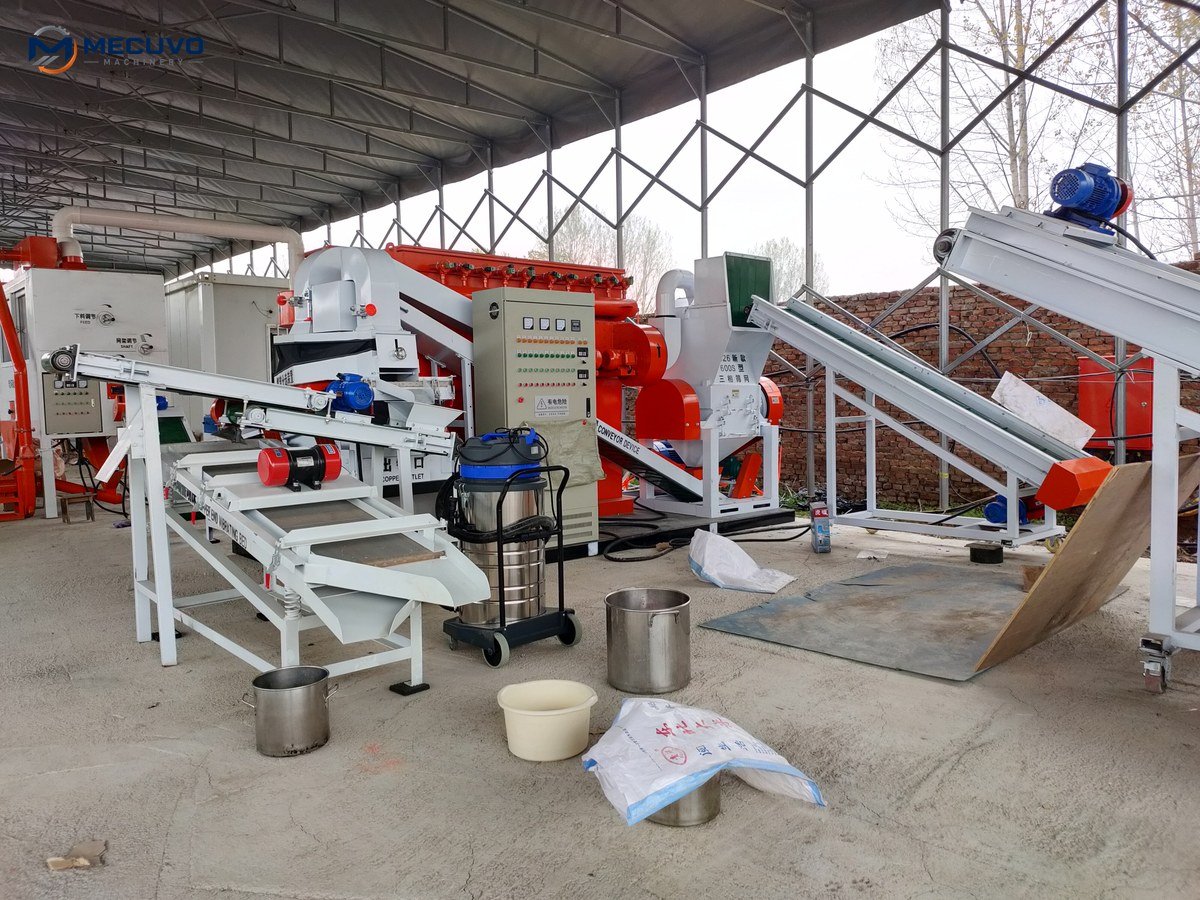
Workshop floor layout, shared electrical distribution, and staged plant growth
For scrap yards planning multi-year growth, the strategic goal is rarely an ‘either/or’ choice, but rather determining the optimal phased sequence of equipment acquisition.
Phase 1: Deploy the Core Machine Based on Primary Inflow
- Scenario A (Demolition and General Scrap Focus): Deploy a MECUVO CG-100 or CG-200 copper granulator first. This immediately converts daily wire accumulation into high-margin No. 1 copper chops, building cash reserves.
- Scenario B (HVAC and Auto Wrecking Focus): Install a MECUVO RR-1200P radiator stripper first. Because the machine requires only a modest 16A to 32A three-phase electrical drop and zero foundation work, it begins generating immediate returns on day one.
Phase 2: Integrated Non-Ferrous Recovery Line
As cash flow expands, progressive scrap operators integrate both machines into a unified processing bay: 1. Shared Electrical Subpanel: A single 125A to 150A commercial three-phase distribution board can power both a CG-200 granulator (28 kW) and an RR-1200 radiator stripper (5.5 kW) simultaneously without transformer upgrades. 2. Material Handling Synergy: Recovered copper pipes from the radiator stripper can either be sold directly to brass mills or cut into chops, while un-stripped copper harness ends from radiators can be fed directly into the granulator cutting chamber. 3. Consolidated Metal Storage: High-purity copper granules, clean copper pipes, and dense aluminum fin bales can be stored in covered steel roll-off bins, allowing recyclers to negotiate full truckload (TL) or maritime container freight contracts directly with primary smelters.
Request an Equipment Feasibility Consultation
To evaluate your scrap yard’s material intake and determine whether a cable granulator or radiator stripper offers the highest return on investment for your facility, send your scrap intake parameters through the contact page.
Key Takeaways
Prioritize a copper cable granulator for broad, continuous scrap wire intake across demolition and electrical trades, or select a radiator stripper for rapid two-metal recovery from steady HVAC and automotive coil supplies.
— YOUR RECYCLING PROJECT
Find the right machine for your material.
Tell us your material and required capacity.
Or email sales@mecuvo.com