
Home / Equipment / Alligator Shears
— Hydraulic scrap-cutting equipment
Alligator shears.
Cut scrap to size. Keep the yard moving.
Prepare suitable metal scrap for sorting, handling and sale with hydraulic shearing. Choose the machine around your material grade, section and complete working cycle—not blade length alone.
MECUVO / EQUIPMENT SERIES
RECYCLING MACHINERY
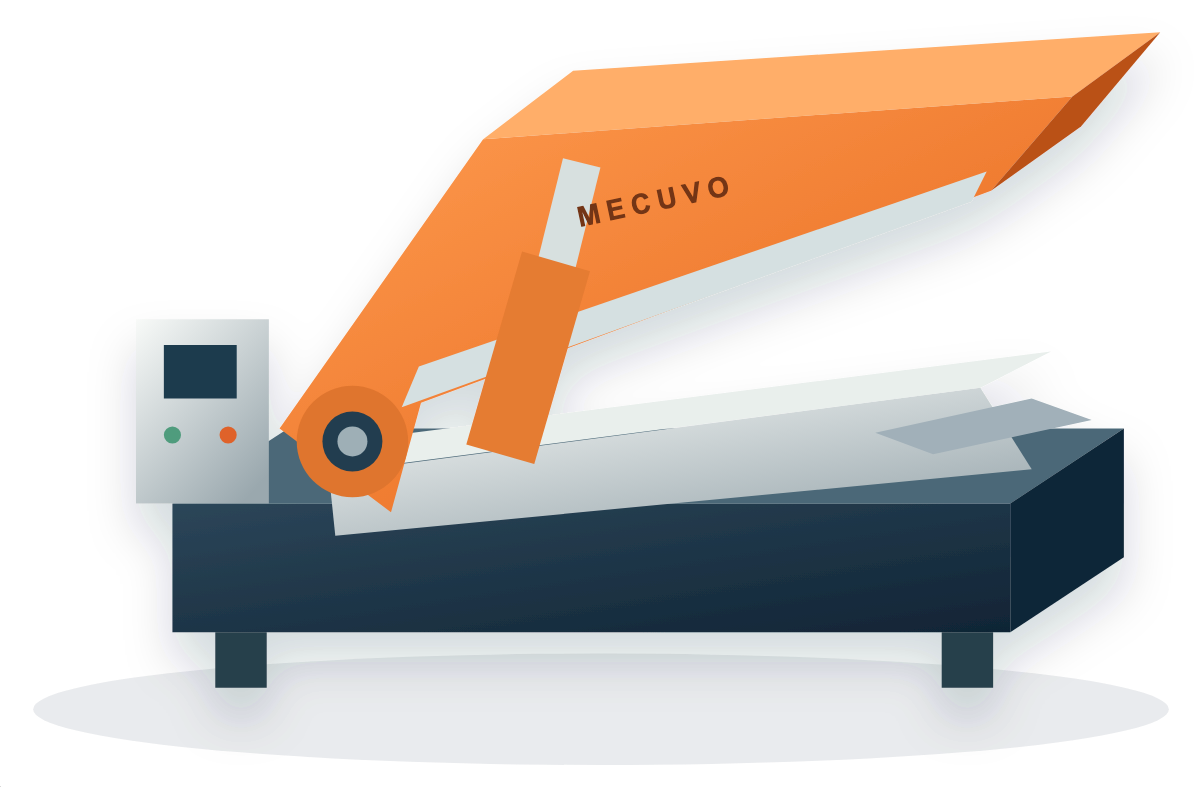
— Make scrap easier to move and market
Cut oversized scrap into manageable lengths.
Long, awkward metal pieces can complicate sorting, bin loading and downstream preparation. A suitable alligator shear gives your operation a hydraulic cutting station for reducing accepted material to more manageable sections.
Build the cutting station around your regular scrap: present the material, make the agreed cut and move finished pieces into the next task. A suitable machine and handling arrangement belong in the same purchase decision.
MECUVO supplies alligator shears from China. Tell us what material you cut, the actual section and how it is handled. Start with the daily application, then choose the machine and working arrangement.

Choose a shear for your material and section size.
Material grade, cross-section and handling matter together. A machine that fits the daily work is more useful than an impressive specification on the wrong material.
— MACHINE VIDEOS
See the equipment at work.
See positioning, cutting and collection together. Match the demonstration to the metal sections you handle.

Complete scrap-cutting cycle
Positioning and material handling
Cut sections and collection
Blade maintenance and service
— Give the cutting station a clear job
Prepare material for the next move.
01
Size long or awkward pieces
Cut suitable scrap into sections that suit your sorting or collection workflow. Use the required handling or selling length as the target, not the smallest possible piece.
02
Support scrap cleaning and preparation
For suitable applications, shearing can help separate sections or attachments as part of material preparation. The accepted cut must be checked against the grade and cross-section.
03
Compare a mechanical cutting route
For appropriate scrap, hydraulic shearing can be an alternative to routine torch cutting. Evaluate the complete work, equipment limits and site safeguards rather than assuming the methods are interchangeable.
— Will it cut my scrap?
What metal and section size do you cut?
“Steel,” “pipe” and “copper” describe material groups, not a cutting requirement. A round bar, a hollow section and a flat plate impose different demands. Grade, hardness and wall thickness must stay attached to the dimensions.
| Material or section | Information to provide | Why it matters |
|---|---|---|
| Round bar or rebar | Grade and diameter, including the largest regular section. | A rating for one steel grade cannot be applied indiscriminately to another. |
| Flat bar, plate or strip | Width, thickness, material and required cut. | Width and thickness need to be evaluated together. |
| Tube, pipe or hollow section | Outside dimensions, wall thickness and material. | Outside diameter alone does not describe the cutting task. |
| Angle, channel or irregular profiles | Full section dimensions, grade and how it will be presented. | Shape and positioning affect fit and the working cycle. |
| Copper, aluminum or other non-ferrous scrap | Material identity, section and attached components. | Capacity and preparation must be reviewed for the actual application. |
| Hardened, sealed or unidentified items | Material and contents established before processing. | Do not treat unknown or hazardous items as routine shear feed. |
— MATERIAL GALLERY
Which materials do you process?
Send photos of your material, including its size and condition, so we can help select a suitable configuration.

Metal bars
Suitable pipe sections
Metal profiles
Mixed lengths and cross-sections
— Which capacity figure should I use?
Blade length is not the same as cutting capacity.
A longer blade describes a working dimension. It does not, by itself, establish which material or cross-section can be cut. Compare the machine’s capacity for the same material, section and stated conditions.
The largest occasional cut is only one requirement. Your normal section, repetition, handling and working arrangement deserve at least as much attention.
| Specification | What it tells you | What it does not establish alone |
|---|---|---|
| Blade length | A dimension of the cutting tool. | Capacity for every section that appears to fit. |
| Jaw opening | Part of the physical working clearance. | Permission to cut any object placed in the opening. |
| Cutting force | A force-related characteristic of the supplied machine. | A universal material or section rating. |
| Section capacity | A rating tied to a stated material and geometry. | Equivalent capacity for harder grades or different shapes. |
| Cycle rate | Machine movement under stated conditions. | Finished cuts per shift including loading and repositioning. |
— Match the station to the routine
Choose a shear for your regular workload.
Routine scrap preparation
A general cutting station
Review the normal material and sections handled by your operators. Match the shear with a practical presentation and collection arrangement.
Demanding regular sections
A heavier-duty application
Use the actual grade, dimensions and repetitive workload to assess the equipment. A larger nameplate number alone is not the selection basis.
A wider processing operation
A connected preparation station
Review where cutting sits between incoming scrap, sorting and downstream equipment. For several stations, define the material assigned to each.
— MACHINE & LAYOUT
Machine configurations and layouts
Explore the machine, feeding equipment and collection area for your planned setup.
Complete shear unit
Loading and operating area
Finished-material collection
— From incoming length to manageable pieces
The complete cutting cycle matters.

Identify and sort
Confirm accepted material and sections. Keep unknown or unsuitable items out of the normal cutting stream.

Present the material
Use the handling arrangement and operating method specified for the selected machine.
Make the agreed cut
Carry out cutting within the machine’s defined material and section limits, following its operating instructions.

Collect and reposition
Move finished pieces into the planned collection area and prepare the remaining material for the next cycle.
— The cut must serve the next task
Cut lengths ready for handling and sorting.
Judge the station by the accepted pieces it produces and the work needed to produce them. Loading long material, repositioning and clearing cut sections can take longer than the hydraulic movement itself.
The aim of scrap shearing is material preparation. Do not assume the dimensional precision or finish expected from a fabrication process unless it is specifically established for the application.
Request a demonstration showing the stated material and cross-section, the presentation method and the repeated working cycle. It gives your purchasing and operations teams a shared reference.
A complete result
Actual section
Identify material grade and dimensions in the demonstration.
Repeated working cycle
Include loading, cutting, repositioning and collection.
Usable finished pieces
Assess whether the result meets the next handling or processing task.
— FROM INPUT TO OUTPUT
From long sections to manageable lengths.
Review the incoming batch alongside every relevant output. Material, machine configuration and test conditions belong together.

Incoming metal sections
Cut lengths
Cut faces and section detail
Collected material for handling
— The features that matter on the floor
Choose the cutting and handling setup you need.
| Equipment detail | Value to the operation | What to review |
|---|---|---|
| Blade arrangement and maintenance | A defined plan for keeping the cutting tools serviceable. | Blade specifications, replacement access and the manufacturer’s service procedure. |
| Hydraulic system | The supplied power and control arrangement for the task. | Operating requirements, maintenance and service-item references. |
| Material presentation and controls | A working sequence your operations and safety team can assess. | Handling, retaining or guarding provisions and model-specific instructions. |
| Station layout | Space for long stock, cut pieces and maintenance. | Approach area, collection location and service clearances. |
— INSIDE THE EQUIPMENT
Machine features and service access
Inspect the working areas, collection points and service access that affect day-to-day use.
Blade arrangement
Material hold-down
Hydraulic assembly
Operator controls
— Compare the cost of a finished task
Bring hydraulic scrap cutting into your yard.
Compare your current cutting method with the proposed station for the same material and output requirement. Include preparation, handling, consumables, electricity, tooling and maintenance—not just the purchase price.
Where shorter pieces support sorting, loading or a downstream process, identify that benefit separately. Avoid assuming every cut increases the material’s selling price.
A focused quotation makes the comparison clearer: the shear, the required working arrangement, initial service items and the support needed to put it into operation.
Compare cutting options for your scrap.
Use the same metal, section, finished length and workload when comparing equipment. A different test material changes the meaning of the result.
— For your purchasing review
Check cutting capacity and machine specifications
Request current specifications for the proposed machine and your intended sections. For U.S. buyers, clearly identify metric and imperial units while keeping the material basis unchanged. Confirm the site’s voltage, phase and frequency with your facility team.
Alligator Shears
Section-specific capacity
Material grade, dimensions and stated rating conditions.
Working dimensions
Blade length, jaw opening and the relevant clearances.
Machine cycle
Stated conditions and the complete working sequence.
Power and controls
Supplied drive, electrical requirements and operating controls.
Layout and safeguards
Operating area and the machine-specific provisions for site review.
Service information
Blades, hydraulic service items and maintenance guidance.
— Work with MECUVO
Choose a shear for your daily workload
01
Start with a real cutting application
A material grade and section allow a more useful equipment enquiry than blade length alone. Bring the common job and the difficult exceptions together.
02
Define the supply clearly
Request the machine, options, service items and delivery responsibilities separately. Multi-station orders can be reviewed against the material assigned to each.
03
Include overseas assistance
MECUVO can assist at your location by project agreement. Discuss installation-related work, start-up and operator-support needs before shipment.
— PROJECT & SITE GALLERY
Equipment layout and installation
See the space needed for the equipment, incoming scrap and finished material.
Installed equipment layout
Material flow at the site
Start-up and operator handover
— A quote your team can compare
Get a quote for your scrap-cutting station.
State whether you need one station or several, the sections each will handle and the site arrangement. Have the commercial offer distinguish the equipment from optional items and services.
| Quotation item | What to define |
|---|---|
| Main shear and quantity | Selected machine and capacity basis for the agreed material. |
| Tools and service items | Supplied blades and any initial spare or maintenance items. |
| Working arrangement | Included supports or options and the handling provided by your site. |
| Delivery and assistance | Packing, agreed delivery point, commissioning-related tasks and on-site support. |
— BEFORE DISPATCH
Inspection, packing and shipping
From equipment checks to container loading, see how machines are prepared for shipment.
Pre-dispatch equipment check
Packing and protection
Loading and shipment

From China.
To your operation.
Ask about installation and start-up support at your site.
Equipment supply / Site assistance
— Ready for the first working shift
Plan the space around the cut.
Allow for the longest normal material, operator access, finished-piece collection and maintenance. Have your site team assess the proposed safeguards, electrical installation and safe material-handling arrangements before the equipment is ordered.
MECUVO can provide assistance at the customer’s location by project agreement. Define the installation-related, start-up and operator-support work along with the destination, site readiness, schedule and visit costs.
— PARTS & MAINTENANCE
Spare parts and maintenance
Find the wear parts and service access points for your machine. Contact us for model-specific parts information.
Replacement blades
Wear and service items
Blade inspection access
— Your shear purchase
Alligator shear FAQs
Have a question about your material or project?
— Put your cutting requirement on the table
What metal and section do you need to cut?
Tell us your normal scrap and the work you want the shear to do. Request a suitable equipment option, current specifications and a project quotation.
Get a quote for your equipment
Tell us what you recycle and leave your email. Photos and technical details can follow.
Alligator Shears
We use these details to handle your enquiry.