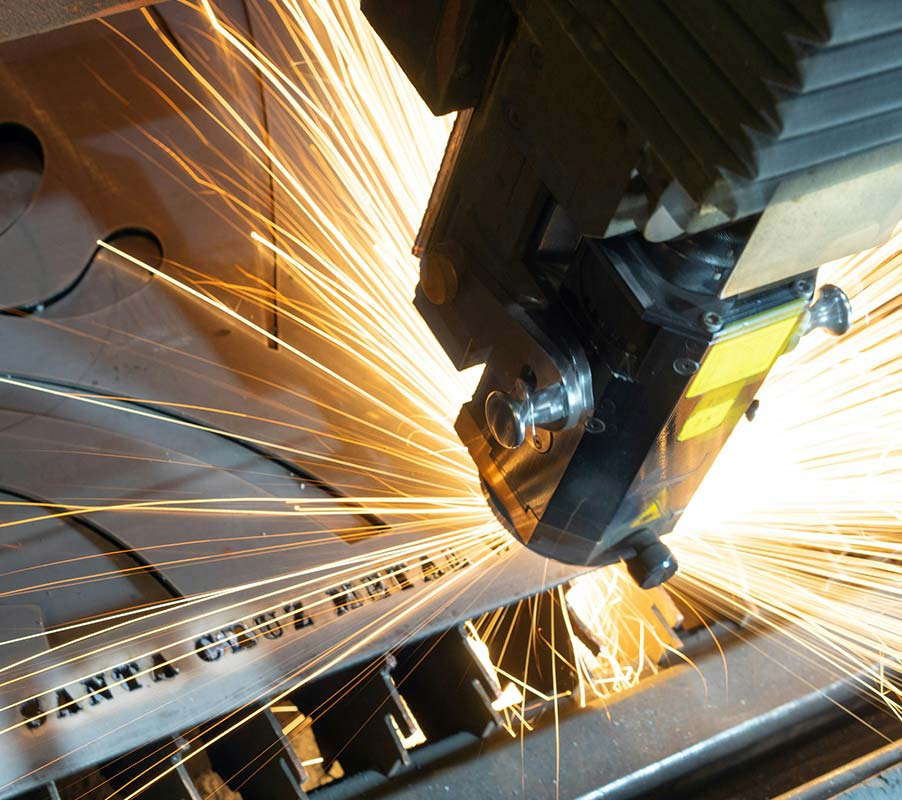
ELECTRIC MOTOR RECYCLING EQUIPMENT

Motor Recycling Machine for Efficient Copper Recovery

Cut and extract windings from scrap electric motor stators with a machine configured around motor sizes, material mix and daily volume.

  • Mechanize key cutting and pulling steps
  • Separate winding material from ferrous stator cores
  • Choose an integrated or separate two-station workflow
  • Configure voltage, tooling and working range

Send motor photos, stator dimensions and required capacity for a practical recommendation.
REAL MOTOR DISMANTLING TEST

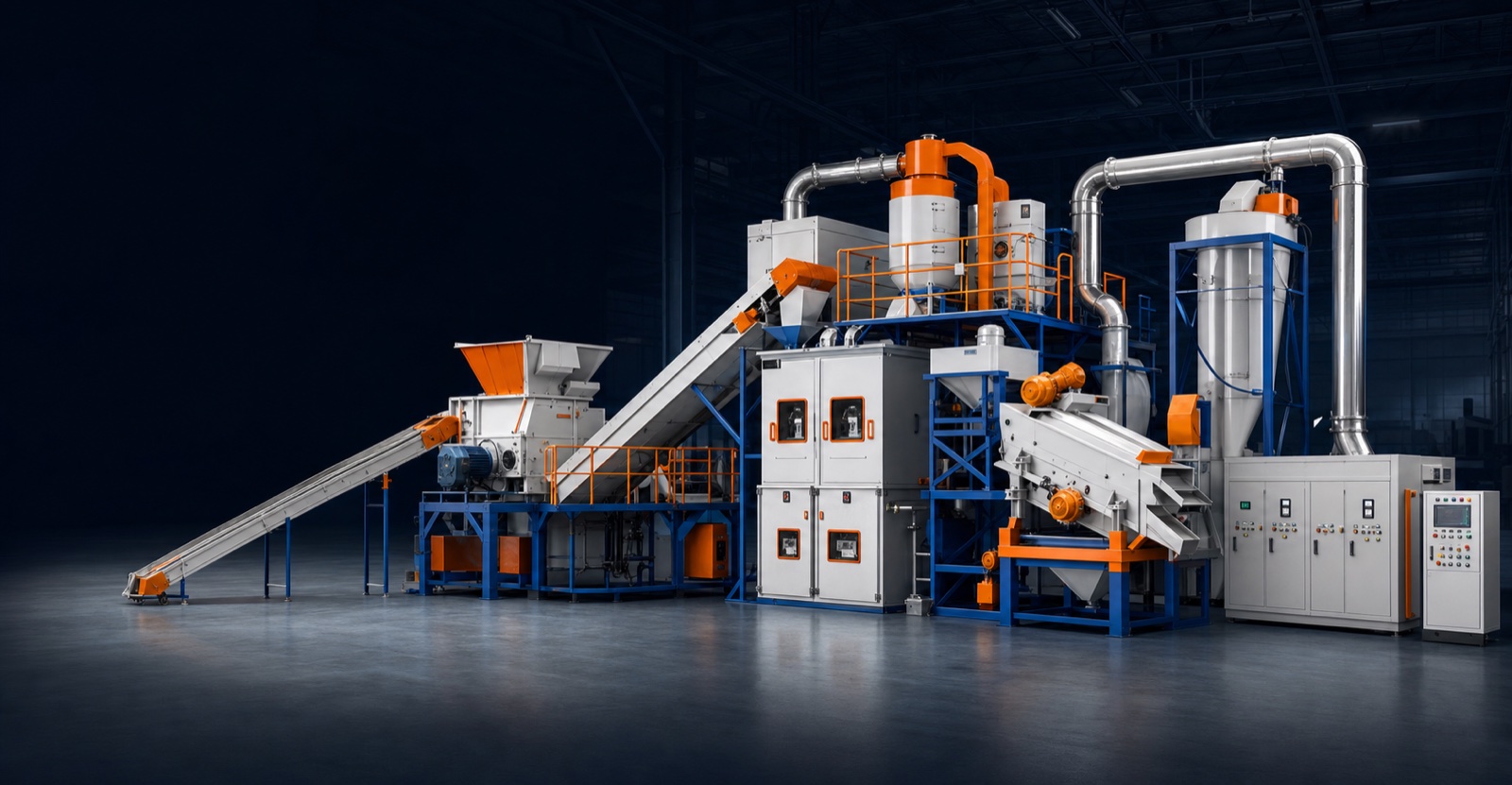
Industrial recycling machine placeholder for motor recycling equipment
Configured for Motor Sizes

Working range matched from samples.

Machine Test Before Shipment

Review cutting, pulling and output.

Export Electrical Options

Voltage and frequency confirmed.

Parts & Technical Support

Wear parts and guidance specified.

TURN MOTOR SCRAP INTO SEPARATED MATERIALS

Recover Copper Without Relying on Slow Manual Dismantling

Valuable copper or aluminum windings are locked inside steel stator cores. Manual cutting, hammering and pulling becomes inconsistent when motor sizes and construction change.

A configured dismantling system mechanizes housing preparation, winding cutting and hydraulic extraction so winding material and ferrous cores can be collected separately.

Not Every Motor Uses the Same Tooling

Diameter, width, winding material, slot design, housing and daily volume determine the configuration.
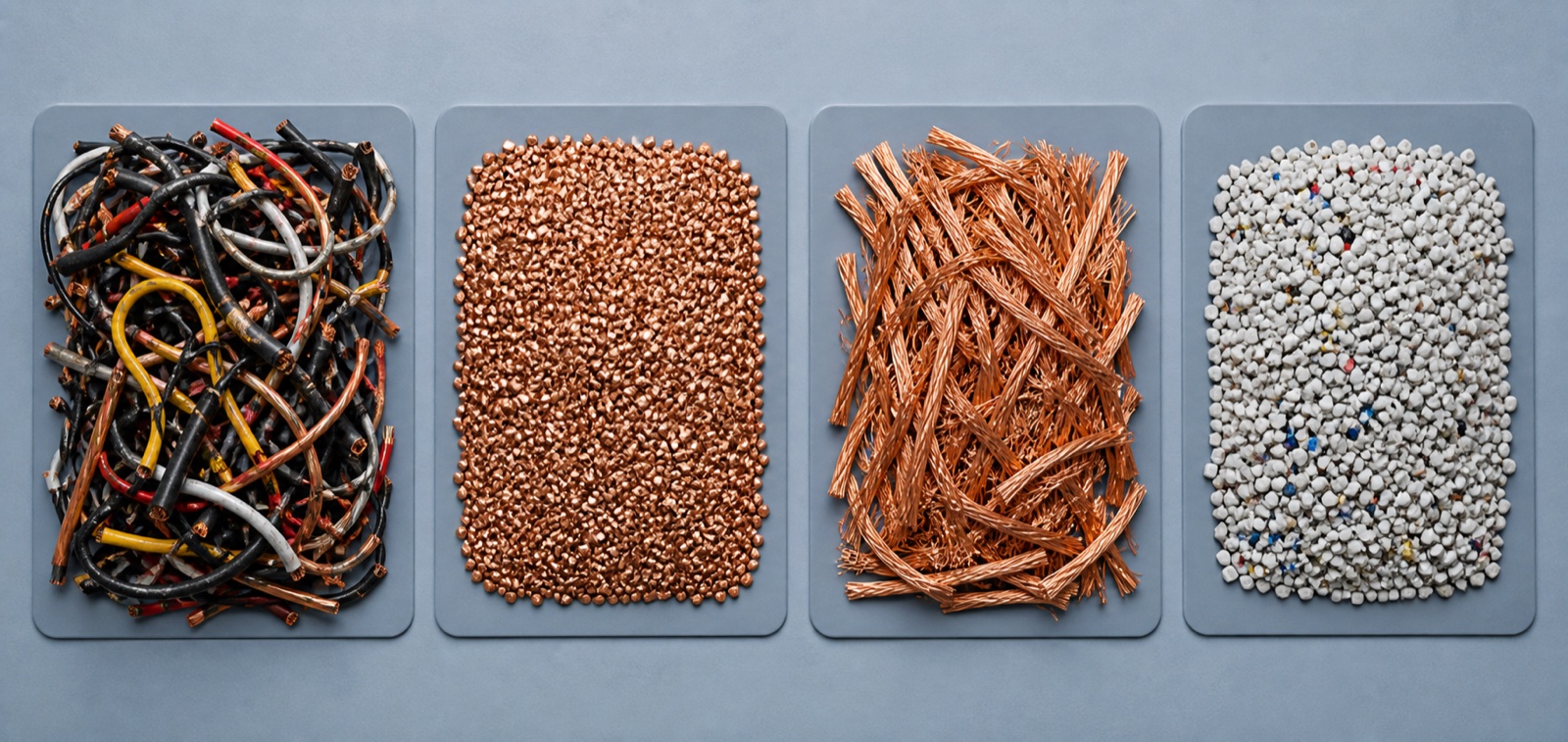
Before and after recovered material placeholder

BEFORE → AFTER

Output depends on motor construction, winding material and preparation method.
SEE THE REAL PROCESS

Watch Copper Windings Being Cut and Pulled

Material test video placeholder

A specification table cannot show how tightly wound stators behave. The working video should show the original motor, measurement, positioning, cutting, extraction and every separated fraction.

  • Original sample and stator dimensions
  • Cutting of one winding end
  • Hydraulic extraction under load
  • Separated winding and steel core
  • Close-up output inspection

APPLICATIONS

What Can the Motor Recycling Machine Process?

Machine and tooling are confirmed from actual motor structure rather than a general material name.
COMMONLY SUITABLE MATERIALS

Typical Evaluation Scope

  • Industrial, pump, fan and compressor motors
  • Generator and appliance motor stators
  • Alternators and starter motors
  • Motor repair workshop scrap
  • Manufacturing reject stators
  • Copper- or aluminum-wound prepared stators

SAMPLE CONFIRMATION REQUIRED

Difficult or Specialized Motors

  • Very small or oversized stators
  • Thick cast housings or deep winding slots
  • Resin-filled and tightly packed stators
  • Hairpin or flat-wire EV stators
  • Sealed compressors and attached gearboxes
  • Undrained or unsafe material

No standard machine is universally suitable for every motor.

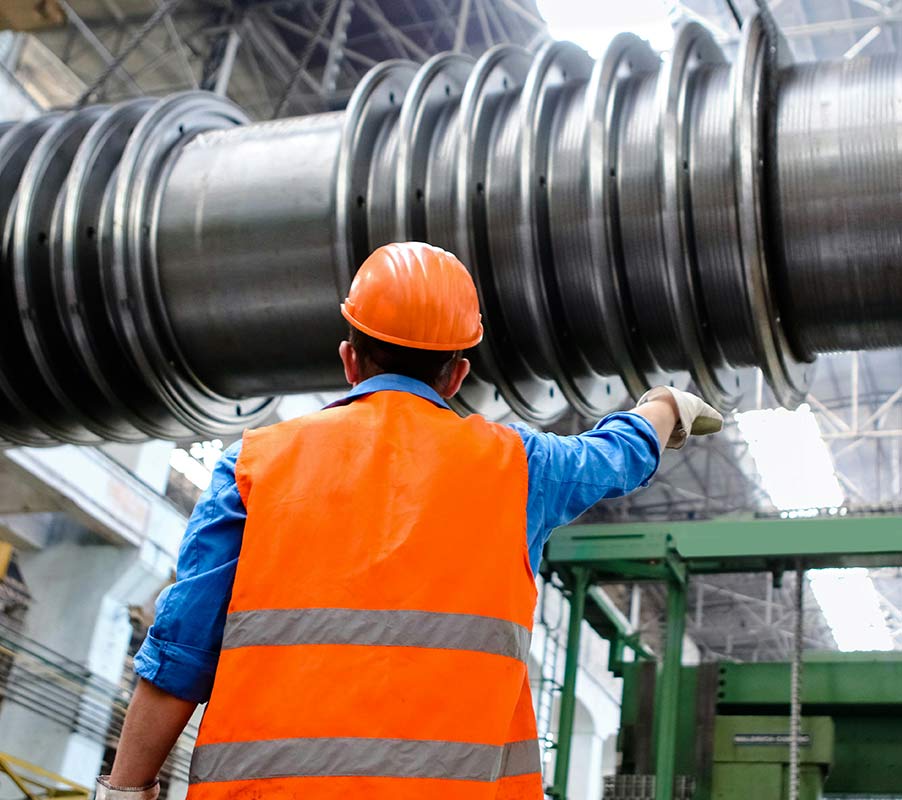
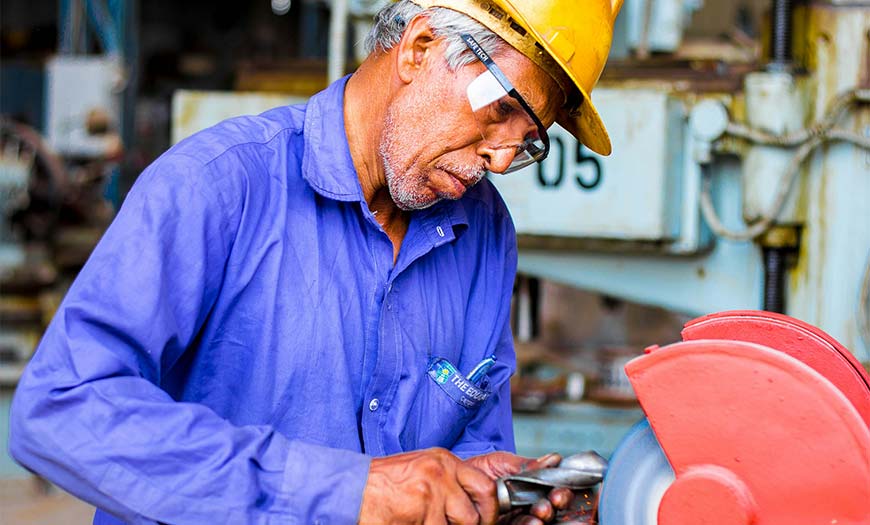
Industrial worker inspecting machinery
Complete Motor Samples

Show housings, attachments and approximate motor size.

Before and after recovered material placeholder
Prepared Stators

Show winding material, slot construction and stator width.

Factory component finishing
Difficult Material

Include the smallest, largest and most difficult samples.

PROCESS

From Scrap Electric Motor to Separated Copper and Steel

Workflow depends on whether you use an integrated dismantling machine, a cutting-and-pulling set or a larger preprocessing system.

01

Prepare the Motor

Remove attachments, covers, shafts or rotors as required.

02

Cut the Winding

Position the stator and cut one winding end cleanly.

03

Pull Out the Copper

Grip the prepared winding and extract it hydraulically.

04

Sort the Output

Collect winding material and steel cores separately.

MACHINE CONFIGURATIONS

Choose the Right Motor Recycling Setup

The right system depends on complete motors versus prepared stators, size range, handling and daily volume.
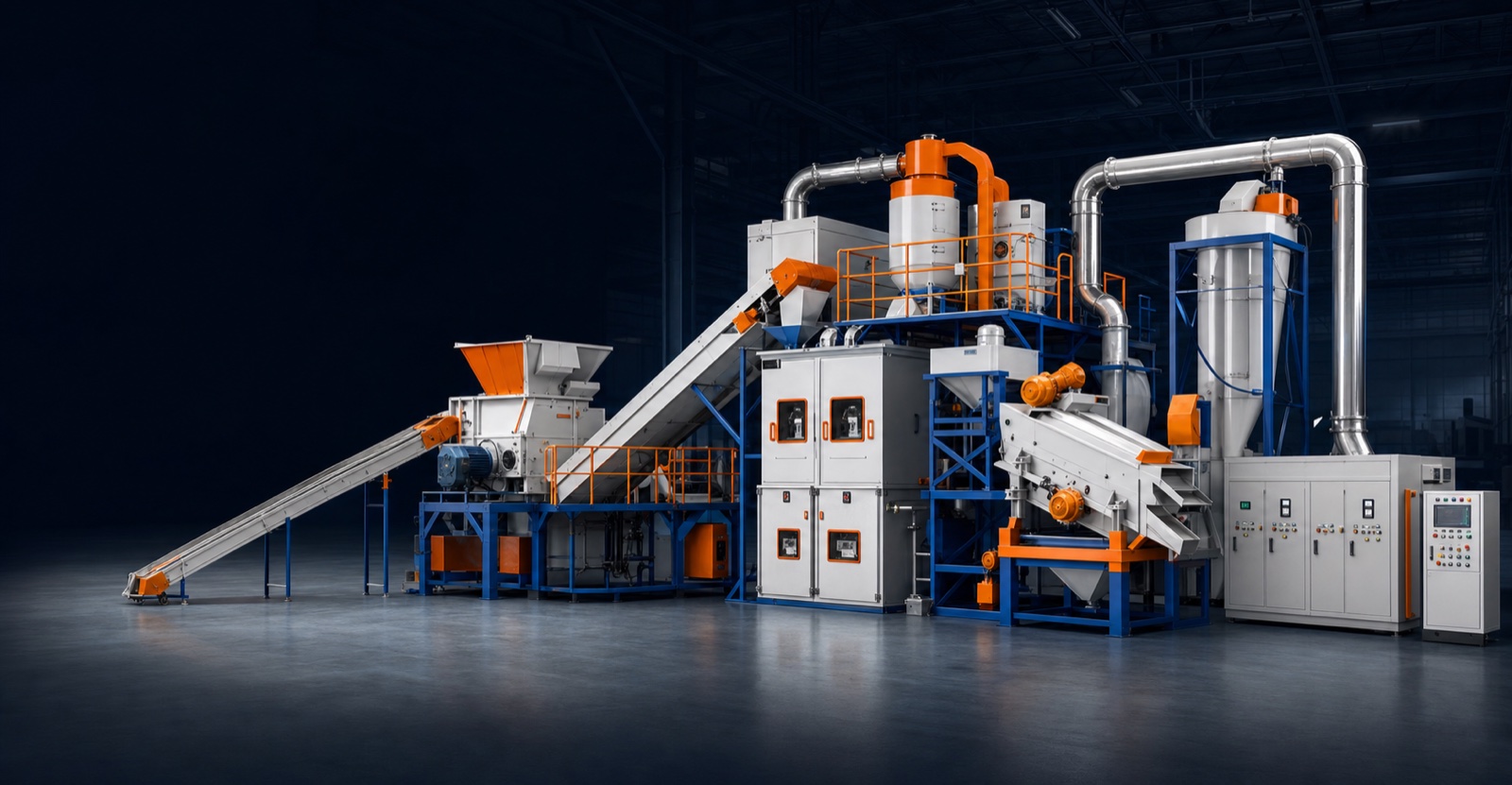
Motor recycling machine configuration placeholder

CONFIGURATION 01

Integrated Motor Dismantling Machine

Combines several dismantling functions in one compact hydraulic system for relatively consistent motor sizes and lower or moderate daily volumes.

  • Compact footprint
  • Multiple functions in one system
  • Simplified operator workflow
  • Confirm maximum diameter and included tooling

CONFIGURATION 02

Separate Cutting and Copper Pulling Machines

Dedicated cutting and extraction stations support batch processing, wider stator ranges and parallel operator workflow.

  • Independent cutting and extraction stations
  • Easier workflow for mixed sizes
  • Potential two-operator production
  • Confirm diameter, width, stroke and hydraulic power
Factory testing industrial recycling equipment
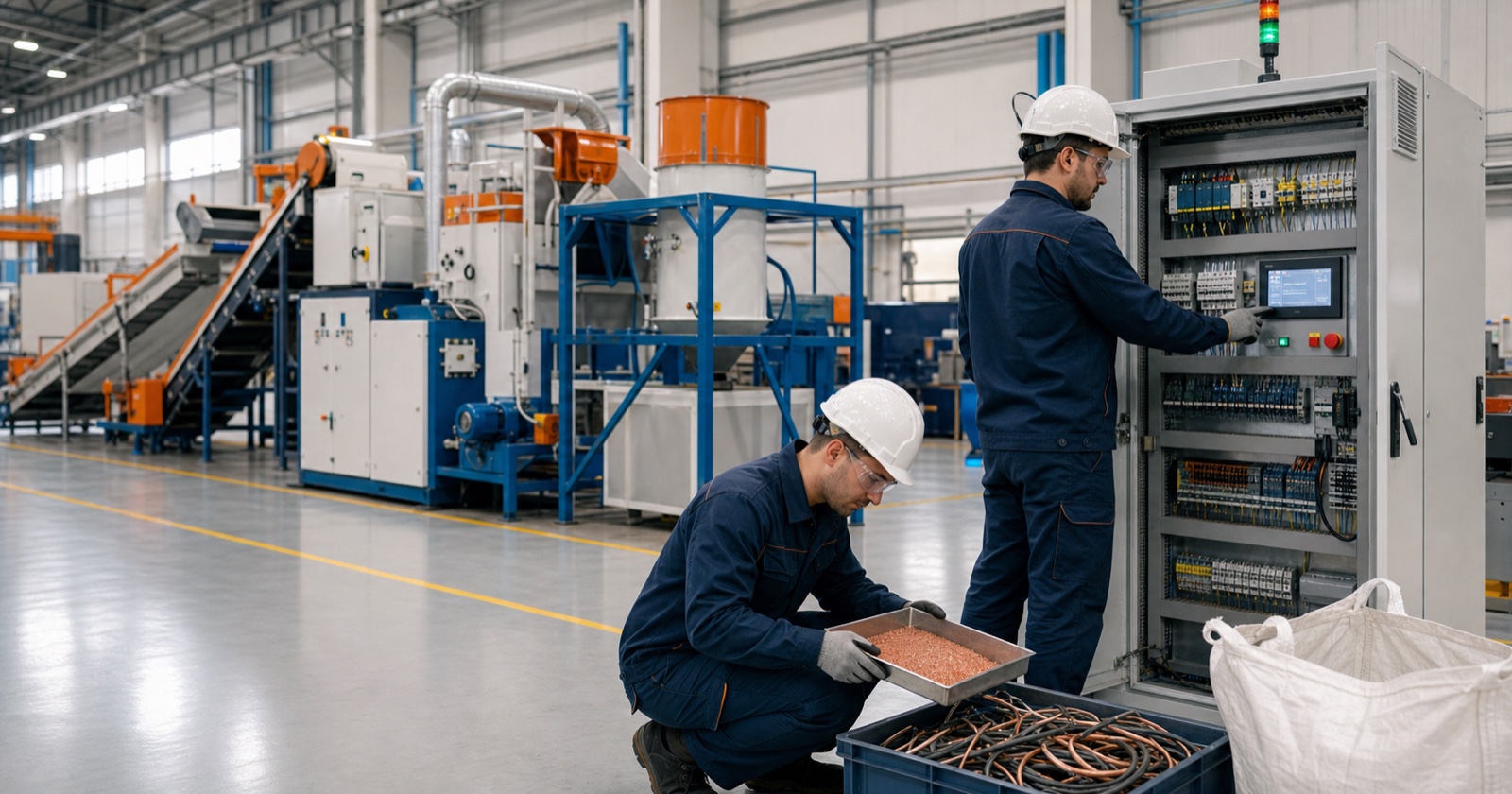
Industrial recycling machine placeholder for motor recycling equipment

CONFIGURATION 03

Customized Motor Recycling System

Plan motor opening, cutting, pulling, handling, sorting and optional downstream size reduction around the actual feed mix.

  • Housing opening and preparation equipment
  • Cutting and hydraulic pulling stations
  • Lifting, worktables and collection bins
  • Optional shredder, magnetic separation and dust management

BUILT AROUND REAL SCRAP

A Machine Should Match Your Material, Not Just a Model Number

Mecuvo reviews samples, process steps, tools, working range and electrical requirements before preparing a configuration.
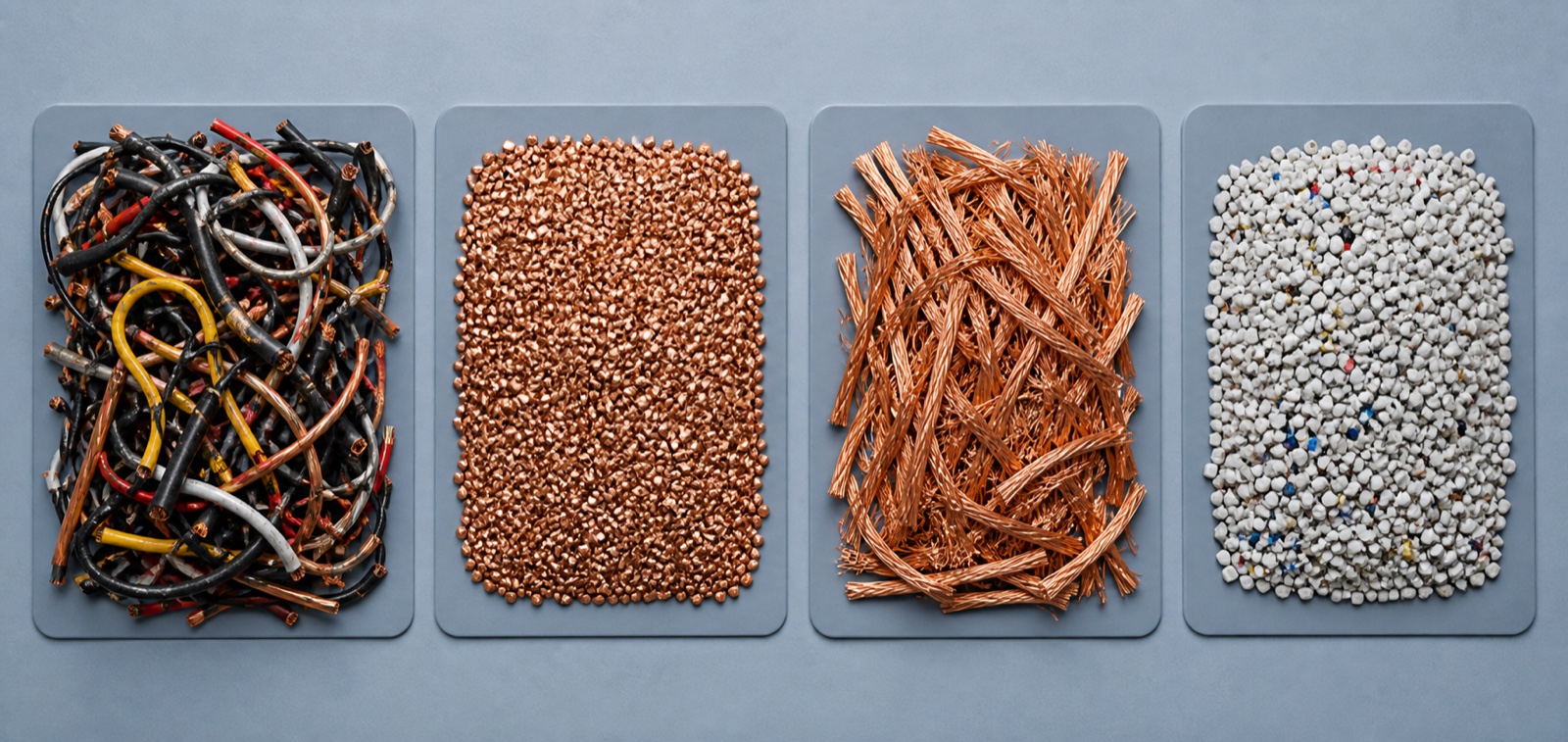
Material-Based Selection

Samples, dimensions, construction and volume guide selection.

Hydraulic Working Force

Controlled force for demanding cutting and pulling operations.

Adjustable Positions

Fixtures and platforms adapt within the confirmed range.

Replaceable Working Parts

Blades, claws and gripping components remain serviceable.

Electrical Configuration

Voltage, frequency and controls match the destination.

Shipment Documentation

Specifications, videos, packing and installation requirements.

Separated copper winding and steel output placeholder

COPPER WINDING OUTPUT + PROCESSED CORE

OUTPUT QUALITY

See the Material After Dismantling

Evaluate how completely the winding is removed, whether it breaks excessively, how manageable the core remains and how much manual cleaning is required.

  • Gripping tools hold the winding securely
  • Operator can position different motor sizes
  • Copper and aluminum windings are identified
  • Output close-ups reveal remaining material

No universal recovery percentage is published without representative testing.

ENGINEERING DETAILS

Designed for Repeated Cutting, Gripping and Pulling

Real close-ups should verify the frame, tools, hydraulic system, supports and operator controls.

Machine fabrication and welding

Rigid Machine Structure

Stable welded frame supports repeated cutting and pulling force.

Industrial cutting equipment

Hydraulic Cutting

Blade geometry, position and preparation affect this step.

Factory component finishing

Winding Gripping System

The tool grips prepared windings for extraction.

Factory assembly work

Adjustable Material Support

Fixtures support stators within the specified range.

Factory testing industrial recycling equipment

Hydraulic Power Unit

Pumps, valves and hoses remain accessible for maintenance.

Industrial worker inspecting machinery

Operator Controls

Actual controls, emergency stop and guards require confirmation.

RECOMMENDED OPERATING SEQUENCE

A Clear Workflow for Daily Processing

  • Sort motors by size and construction
  • Drain and remove attachments safely
  • Prepare or remove the stator
  • Identify winding material
  • Position, cut, reposition and pull
  • Collect windings and steel separately
  • Inspect tools before the next batch

SAFETY CONFIRMATION

Safety Must Match the Actual Model

Hydraulic force, sharp tools, moving components and heavy material require trained operators and the supplied manual.

  • Emergency stops and guarding
  • Control arrangement and pressure limits
  • Safe lifting and electrical protection
  • Lockout, PPE and blade replacement procedures

Never place hands in cutting or pulling areas while energized.

TECHNICAL DATA

Motor Recycling Machine Specifications

All values below require confirmation for the exact machine being quoted. Estimated figures are not presented as factory specifications.

Specification Status
Model and machine type Confirm in quotation
Suitable motor and stator types Confirm in quotation
Stator diameter and maximum width Confirm in quotation
Verified capacity and material assumptions Confirm in quotation
Motor power and hydraulic pressure Confirm in quotation
Cutting and pulling force Confirm in quotation
Blade and pulling-tool material Confirm in quotation
Controls, voltage, frequency and phase Confirm in quotation
Machine dimensions and weight Confirm in quotation
Packing size and gross weight Confirm in quotation
Included and optional tools Confirm in quotation
Warranty and production lead time Confirm in quotation

REQUEST THE COMPLETE DATA SET

Documents to Confirm

  • Final technical specification
  • Motor sample checklist
  • Installation requirement sheet
  • Operating and maintenance documents
  • Wear-part and tooling list

BEFORE WE RECOMMEND A MODEL

Send These Details for an Accurate Proposal

  • Complete motor and prepared stator photos
  • Smallest, common and largest stator diameter
  • Stator width and approximate motor weight
  • Copper or aluminum winding information
  • Daily or monthly processing quantity
  • Complete motors versus prepared stators
  • Voltage, frequency, phase and destination

Get a Machine Matched to Your Scrap

Clear phone photos and basic measurements are usually enough for the first evaluation.

INVESTMENT EVALUATION

Calculate Around Your Own Scrap Economics

Value depends on motor supply, winding content, local copper and steel prices, labor and the difference between selling complete motors and separated fractions.

Do not rely on a universal payback claim.

Information Needed for a Practical Estimate

  • Monthly motor quantity and purchase price
  • Verified winding content
  • Local winding and steel selling prices
  • Current dismantling labor cost
  • Operating hours and electricity cost
  • Freight, import and installation cost

Returns must be based on real tests and local market prices.

Factory testing industrial recycling equipment

REAL MATERIAL TEST

QUALITY VERIFICATION

Verify the Machine Before Shipment

Inspection should confirm cutting, gripping, extraction, controls and included tooling—not only paint and no-load movement.

  • Hydraulic operation and tool alignment
  • Working video under representative load
  • Voltage, labels and emergency stop
  • Hoses, fittings, tools and spare parts
  • Dimensions, packing and documentation

FROM FACTORY TO YOUR YARD

Prepared for International Delivery and Daily Operation

Final scope is stated in the quotation and sales contract.

Electrical Confirmation

Confirm voltage, frequency, phase and connection requirements.

Export Packing

Packing method matches machine size, weight and shipping route.

Installation Guidance

Positioning, electrical, hydraulic and commissioning checks.

Operator Training

Videos, manuals and remote guidance support safe workflow.

Spare & Wear Parts

Blades, claws, seals, hoses and fittings as applicable.

After-Sales Communication

Short issue videos help technical diagnosis.

MECUVO MACHINERY

China-Built Recycling Equipment with Clear Export Communication

International equipment purchasing requires material compatibility, correct electrical configuration and a quotation specific enough to compare total project cost.

Engineered for Performance. Built for Recycling. Ready to Export.

A Complete Quotation Should State

  • Exact model and included functions
  • Confirmed processing range
  • Power, voltage, dimensions and weight
  • Packing method, tools and spare parts
  • Lead time, shipping and warranty terms
  • Installation and test documentation

FREQUENTLY ASKED QUESTIONS

Motor Recycling Machine FAQ

Answers remain conservative until exact machine and material testing are confirmed.

It dismantles scrap electric motors or prepared stators so winding material can be separated from the ferrous core. Functions vary by configuration.
Motor recycling can include complete-motor opening and preparation. Stator recycling normally focuses on cutting and pulling windings after the housing and rotor are removed.
Some integrated systems can open housings; other machines accept prepared stators only. Send complete-motor photos for confirmation.
One winding end is cut, then a hydraulic gripping tool extracts the remaining winding from the stator slots.
The range depends on the exact machine, platform and tooling. Measure the smallest, most common and largest stators.
It can process sizes within its confirmed range. A very wide mix may require fixtures, separate machines or customization.
Some may be dismantled, but copper and aluminum windings must be sorted separately and sample confirmation is recommended.
These materials require separate safety and technical evaluation. Do not assume a standard winding puller is suitable.
Capacity depends on motor size, winding construction, preprocessing, operator skill and workflow. Representative testing is the reliable basis.
An integrated machine may use one trained operator; separate cutting and pulling stations may use two, plus handling assistance for heavy motors.
Available voltage, frequency and phase are confirmed for the selected hydraulic and electrical configuration before production.
Typical wear items include blades, pulling claws, gripping tools, seals, hoses, switches and fittings, depending on the model.
Photos and measurements support initial evaluation. Where suitable samples exist, a recorded material test can be arranged.
Send motor photos, stator diameter and width, approximate weight, processing quantity, destination and available electrical supply.
Packing, documents, installation guidance and support scope depend on the final machine and are stated in the quotation and contract.

RELATED RECYCLING EQUIPMENT

Build a More Complete Scrap-Metal Processing Operation

Combine motor dismantling with other recycling equipment where the material workflow requires it.

Industrial recycling machine placeholder for motor recycling equipment

Copper Granulator

Process insulated wire into copper granules and insulation fractions.

Motor recycling machine configuration placeholder

Radiator Recycling Machine

Separate copper and aluminum from compatible radiator scrap.

Factory testing industrial recycling equipment

Dual-Shaft Shredder

Reduce bulky housings and mixed scrap before downstream sorting.

Industrial cutting equipment

Alligator Shear

Cut long metal scrap into manageable feeding sizes.