RADIATOR RECYCLING SOLUTIONS FROM CHINA

Radiator Recycling Machine for Copper & Aluminum Recovery

Process scrap air-conditioning radiators, condensers, heat exchangers and selected automotive radiators with a system matched to your actual material.

Mecuvo supplies stripping-type separators for flat regular cores and crushing-separation lines for bent, mixed or irregular radiator scrap.

The correct machine depends on radiator structure—not only hourly capacity.

Send material type, condition, volume and local power supply for an initial assessment.

WATCH REAL RADIATOR PROCESSING

Industrial recycling line placeholder for radiator recycling system
Material Evaluation Available

Send material photos and dimensions before selecting a machine.

Working Video Before Shipment

Review machine operation and output before dispatch.

Voltage & Layout Customization

Configure electrical system and line layout for your site.

Export Packing & Documentation

Prepared for international transport and installation.

MATERIAL FIRST. MACHINE SECOND.

Not Every Scrap Radiator Should Be Processed the Same Way

Tube spacing, layers, frame material, thickness, deformation and contamination determine the correct process. Selecting only by advertised capacity can create feeding problems, excessive preparation work and poor output.
Industrial worker inspecting heavy machinery

MATERIAL TYPE 01

Flat and Regular Radiator Cores

Relatively flat, clean and consistent radiator cores may suit a stripping separator that removes copper tubes from aluminum fins without fully crushing the material.

  • Flat AC radiator cores
  • Regular condensers
  • Consistent tube spacing
  • Larger recognizable output fractions
  • Small and medium-volume operations
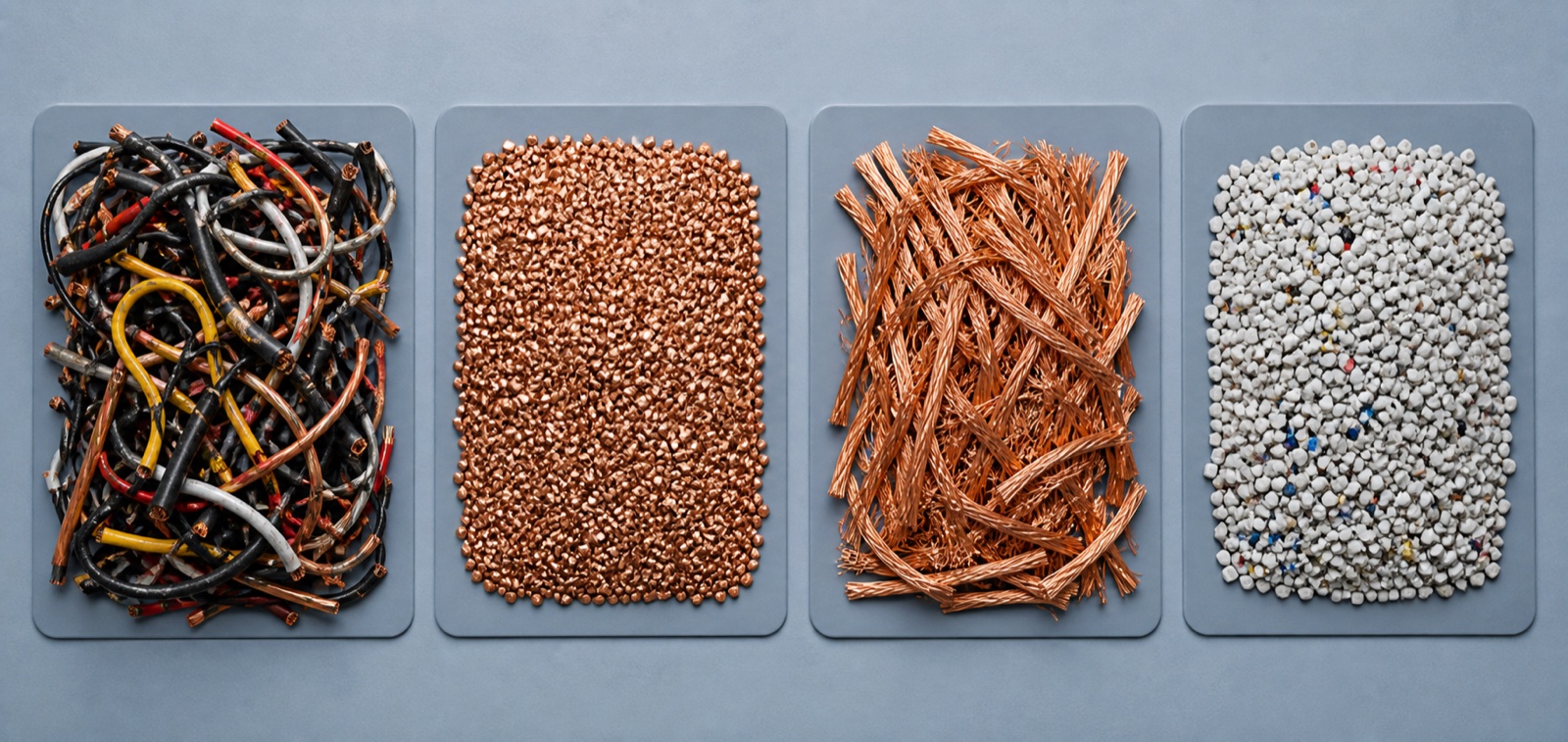
Recovered material fractions placeholder

MATERIAL TYPE 02

Bent, Mixed or Irregular Radiators

Bent, compressed, contaminated or structurally mixed radiators usually need size reduction followed by staged copper, aluminum and ferrous separation.

  • Bent or compressed cores
  • Mixed radiator sizes
  • Inconsistent tube spacing
  • Steel frames or attachments
  • Centralized recycling operations

TWO PROCESS ROUTES

Choose the Right Radiator Recycling Process

The process is configured around input condition, processing volume and the form in which you want to sell the recovered metals.
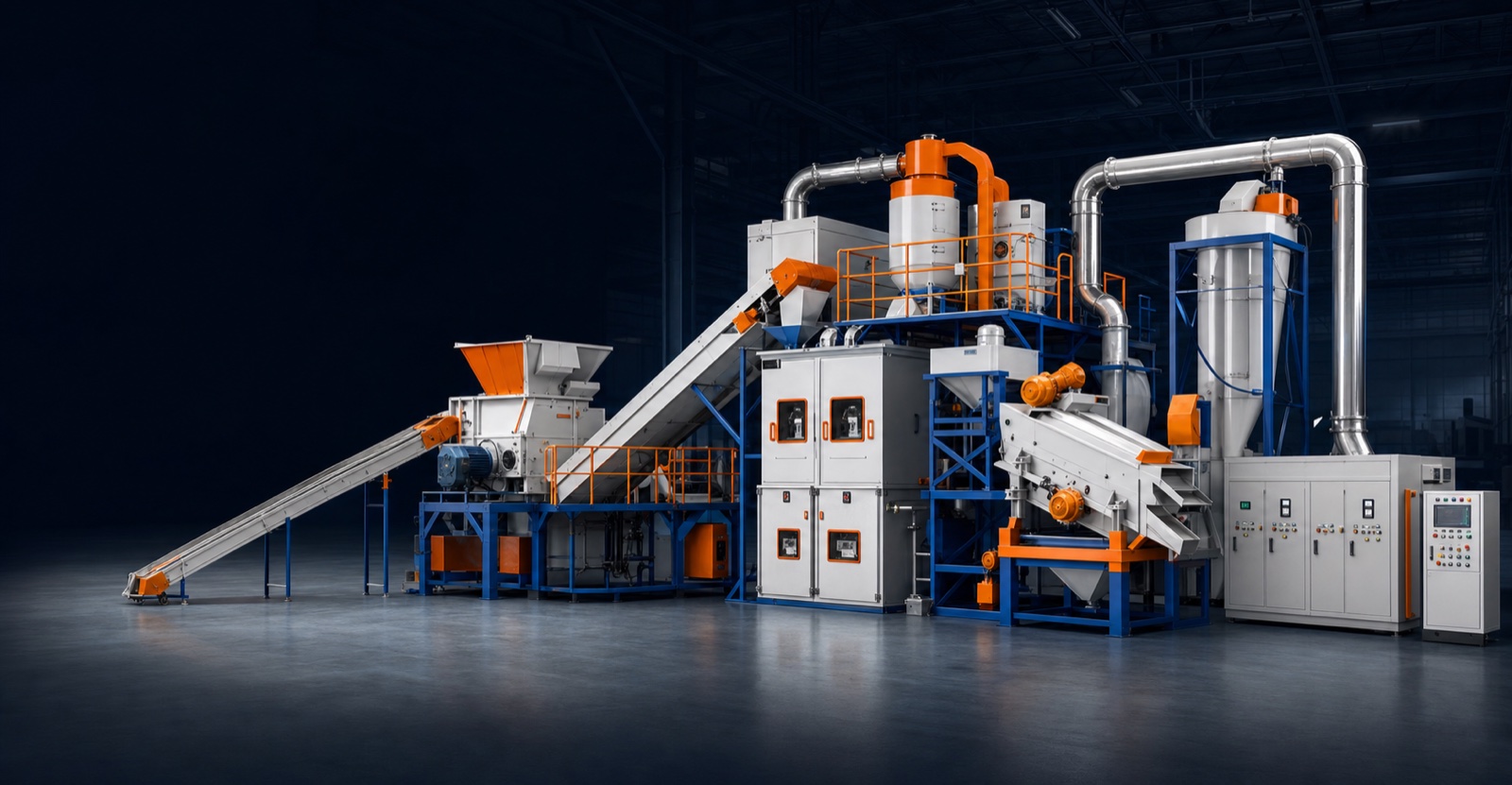
Industrial separation line placeholder

SOLUTION 01

Stripping-Type Radiator Separator

Separate copper tubes and aluminum fins without fully crushing the radiator.

After unsuitable headers and attachments are removed, compatible flat cores are fed through a matched cutting and stripping mechanism. Copper tubes and aluminum fins remain in large, recognizable pieces.

  • Compact footprint and fewer processing stages
  • Simpler collection of copper tubes and aluminum fins
  • Tube spacing and construction must be confirmed
  • Preparation may include cutting frames, headers and plastic parts

SOLUTION 02

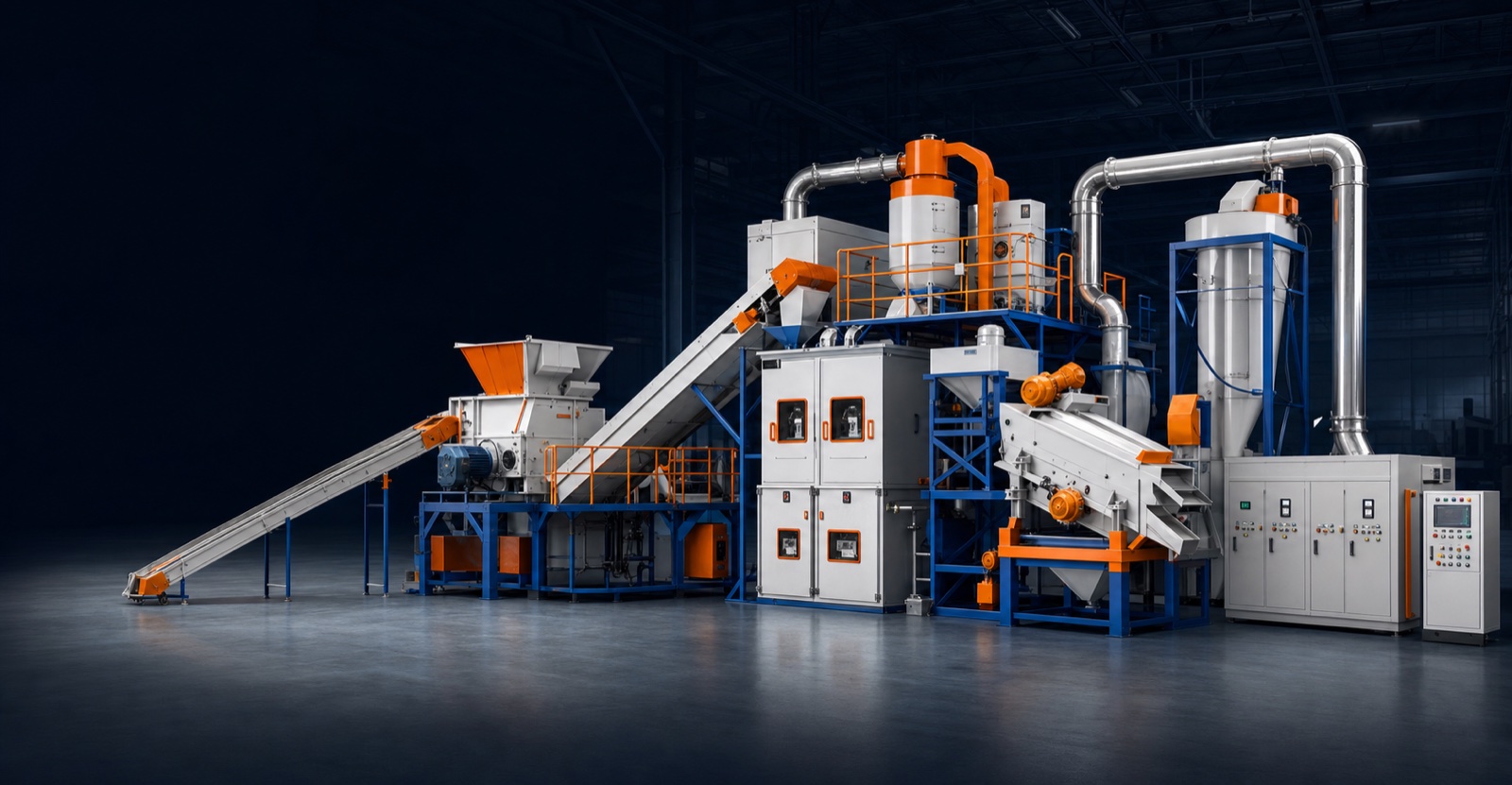
Radiator Crushing & Separation Line

Process irregular scrap into separate copper, aluminum and ferrous fractions.

Mixed or difficult radiator scrap is reduced in size before magnetic, non-ferrous and light-material separation. Conveyors and dust management can be configured around the project.
  • Wider tolerance for irregular input
  • Suitable for mixed radiator streams
  • Continuous processing configuration available
  • Requires more power, space and processing stages
Industrial recycling line placeholder for radiator recycling system

MAKE THE RIGHT STARTING CHOICE

Which Radiator Recycling Machine Should You Choose?

Use this as an initial guide. Final selection should be based on actual photos, dimensions and representative testing.

Your Material or Requirement Recommended Starting Point
Flat AC radiator cores with consistent tube spacing Stripping-Type Radiator Separator
Regular single- or double-layer cores Stripping after compatibility confirmation
Relatively complete copper tubes required Stripping-Type Radiator Separator
Limited installation space or lower installed power Stripping-Type Radiator Separator
Bent, compressed or mixed radiator structures Crushing & Separation Line
Inconsistent tube spacing or steel frames Pre-processing plus stripping or complete line
High-volume centralized processing Crushing & Separation Line
Material condition changes frequently Material evaluation required

Avoid Buying the Wrong Machine

Send examples of both the easiest and most difficult material in your normal supply. We will evaluate direct stripping, pre-processing or a complete crushing line.

CONFIRM THE ACTUAL INPUT

What Types of Scrap Radiators Can Be Evaluated?

The term scrap radiator covers many different constructions. Send actual photos instead of relying only on a general material name.

COMMON MATERIALS

Typical Evaluation Scope

  • Air-conditioning radiator cores
  • Copper-aluminum condensers
  • HVAC heat exchangers
  • Refrigeration radiator cores
  • Selected automotive radiators
  • Pre-cut radiator blocks
  • Industrial copper-aluminum cooling units

CONFIRMATION OR TESTING REQUIRED

Difficult or Mixed Material

  • Severely compressed radiator bales
  • Heavy plastic, oil or corrosion contamination
  • Aluminum-only or mixed-metal exchangers
  • Thick steel frames or unknown construction
  • Electronic parts or unrelated mixed scrap

Safety: refrigerant, coolant, oil and regulated fluids must be removed before mechanical processing. Local environmental and workplace rules remain the buyer’s responsibility.

VERIFY THE COMPLETE PROCESS

See the Material Before and After Processing

Machine appearance alone does not prove processing performance. Review representative input, continuous operation and every recovered fraction.
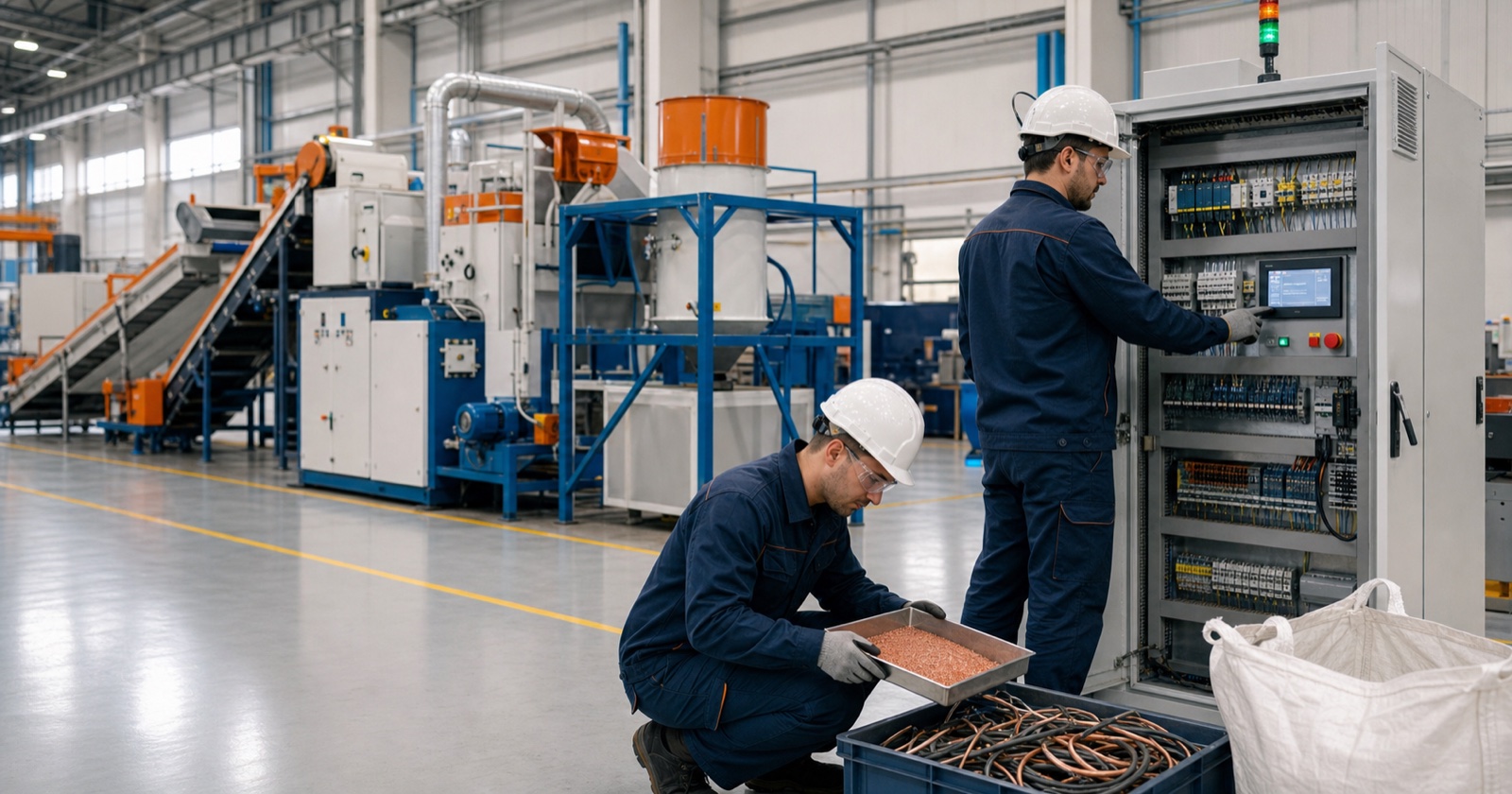
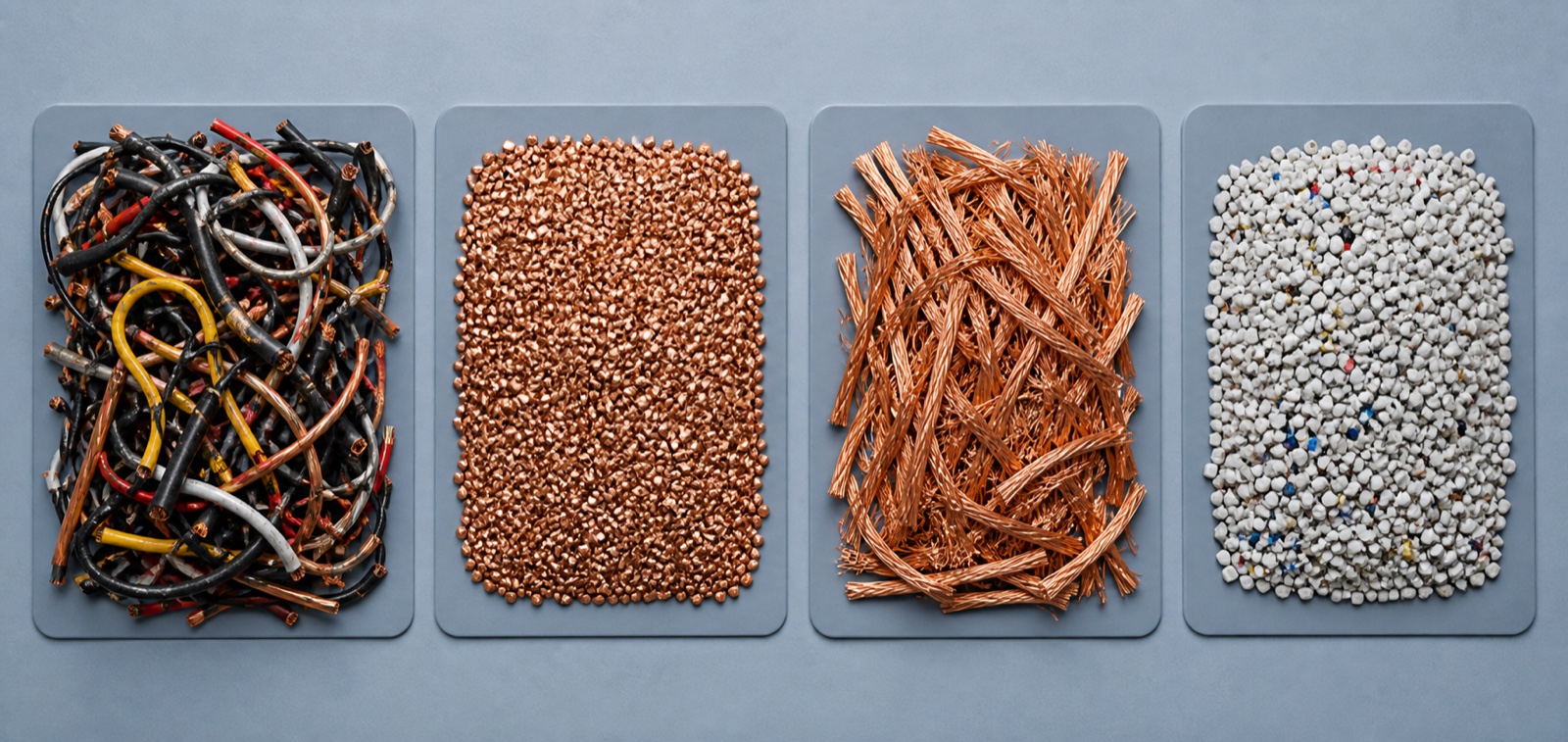
Recovered material fractions placeholder

INPUT

Your Actual Radiator Scrap

Show normal deformation, frames, contamination, mixed sizes and tube-spacing details—not only selected clean samples.

Factory material test placeholder

PROCESS

Machine Working Under Load

Use continuous video showing feeding, operator involvement, stable operation and every discharge position.

Separated metal output placeholder

OUTPUT

Copper, Aluminum and Iron

Inspect each fraction separately, including close-ups that reveal remaining cross-contamination and material form.

DIRECT OR STAGED SEPARATION

How Radiator Recycling Works

The processing route depends on whether the radiator can be separated directly or must first be reduced in size.

PROCESS A

Stripping-Type Separation

  • Inspect radiator structure and tube spacing
  • Remove unsuitable headers, frames and plastic
  • Cut large cores to a feedable size
  • Select the matching feeding position
  • Separate copper tubes and aluminum fins
  • Collect output fractions separately

PROCESS B

Crushing & Separation

  • Sort and pre-process difficult attachments
  • Primary size reduction
  • Secondary crushing and liberation
  • Remove ferrous metal magnetically
  • Separate copper and aluminum fractions
  • Collect dust and light material
  • Discharge products into separate areas

FIVE PROJECT INPUTS

Five Details That Determine Your Machine

Two buyers processing the same daily weight may still require completely different configurations.

01

Radiator Structure

Tube shape, joining method, layer count and frame material.

02

Tube Spacing

Direct stripping must match the actual tube arrangement.

03

Deformation

Bent or baled material is harder to align and feed.

04

Daily Volume

Capacity affects feeding, motors, labor, layout and dust control.

05

Required Output

Selling price differs for tubes, fins and smaller fractions.

DESIGNED FOR DAILY OPERATION

Machine Design and Key Components

Feeding, adjustment, cleaning, wear-part replacement and routine maintenance all affect real processing cost.
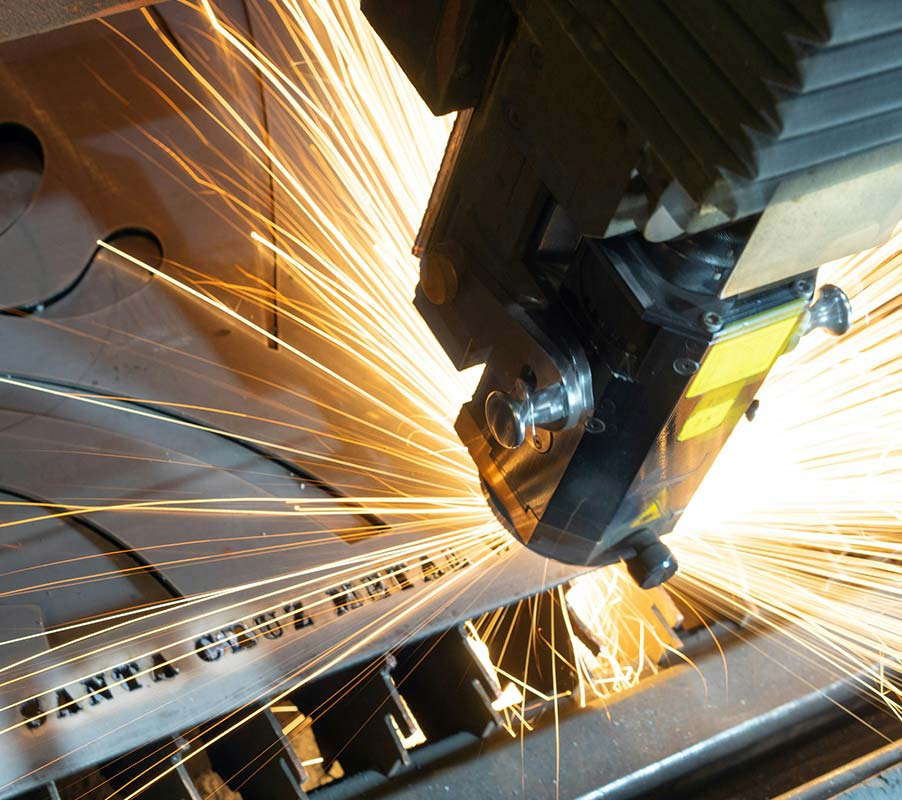
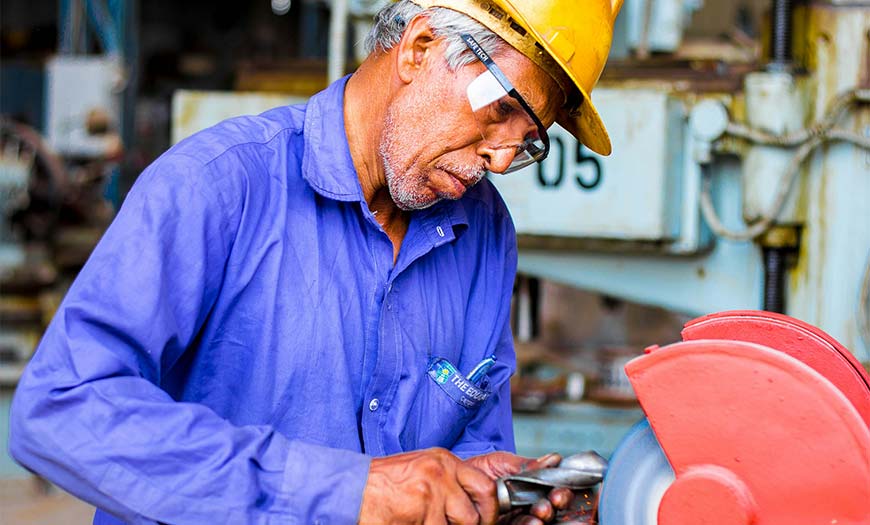
Industrial worker inspecting heavy machinery
Material-Matched Feeding

Inlet width and guides should suit radiator dimensions and preparation.

Industrial cutting equipment
Controlled Cutting

Cutting and separation should minimize unnecessary copper damage.

Factory component finishing
Replaceable Wear Parts

Blades, cutters and screens need accessible inspection and replacement.

Technicians assembling industrial equipment
Stable Drive System

Motors, reducers and bearings must suit the expected workload.

Industrial separation line placeholder
Separation Configuration

Stages depend on composition, output cleanliness and acceptable loss.

Industrial factory interior
Dust Management

Use suitable collection points and enclosed transfer areas.

Technicians testing industrial recycling equipment
Accessible Maintenance

Inspection doors and cleaning points simplify routine service.

Industrial worker inspecting heavy machinery
Electrical System

Voltage, frequency, phases and controls are confirmed per market.

ENGINEERING CONFIRMATION REQUIRED

Models and Technical Specifications

No unverified capacity, power, weight or compatibility figures are published. The final schedule is prepared from representative material and project conditions.

STRIPPING-TYPE SEPARATOR

Specification Confirmation

  • Recommended radiator material and layers
  • Compatible tube spacing and feed width
  • Nominal capacity with material assumptions
  • Installed power and blade configuration
  • Machine dimensions, weight and operators
  • Customized voltage and control language

CRUSHING & SEPARATION LINE

Line Configuration Confirmation

  • Maximum input size and preparation
  • Primary and secondary size reduction
  • Magnetic and non-ferrous separation
  • Dust collection and material handling
  • Installed power, footprint and operators
  • Customized voltage and line layout

COMPARE THE COMPLETE PROCESS

The Cheapest Machine Is Not Always the Lowest-Cost Process

Compare the total cost of converting normal radiator scrap into saleable copper and aluminum—not only the purchase price.

Preparation Labor

Sorting, cutting and alignment can determine daily output.

Sustainable Capacity

Ask what input assumptions support the quoted capacity.

Metal Loss

Cross-contamination directly reduces recovered value.

Output Selling Price

Compare the local value of tubes, fins and smaller fractions.

Power & Wear Parts

Include installed power, blade life and spare-part cost.

Future Material Changes

Select for likely future mixed or compressed supply.

Get a Configuration Based on Real Operating Conditions

Provide material type, daily quantity, labor situation, power supply and preferred output.

REDUCE SELECTION RISK

Test Your Radiators Before You Order

Representative material is more reliable than the cleanest and easiest sample.

01

Send Information

Photos, dimensions, source, daily quantity and target output.

02

Confirm Route

Direct stripping, cutting, pre-processing or crushing.

03

Arrange Testing

Use material reflecting normal variation and contamination.

04

Review Video

See input, feeding, continuous operation and every output.

05

Confirm Configuration

Model, auxiliaries, voltage, layout, spares and packing.

Industrial separation line placeholder

PROJECT CONFIGURATION

CONFIGURED FOR YOUR SITE

Configured for Your Material and Installation Site

Projects differ in input volume, building layout, labor, power conditions and environmental requirements.

  • Capacity, inlet and compatible tube-spacing selection
  • Pre-processing, conveyors and collection bins
  • Magnetic, non-ferrous and dust separation
  • Voltage, frequency and control language
  • Line layout, spare blades and wear-parts package
  • Installation, operation and maintenance documents

FACTORY EVIDENCE

See How Your Machine Is Built and Tested

Use final project images to verify fabrication, core components, wiring, testing, packing and container loading.
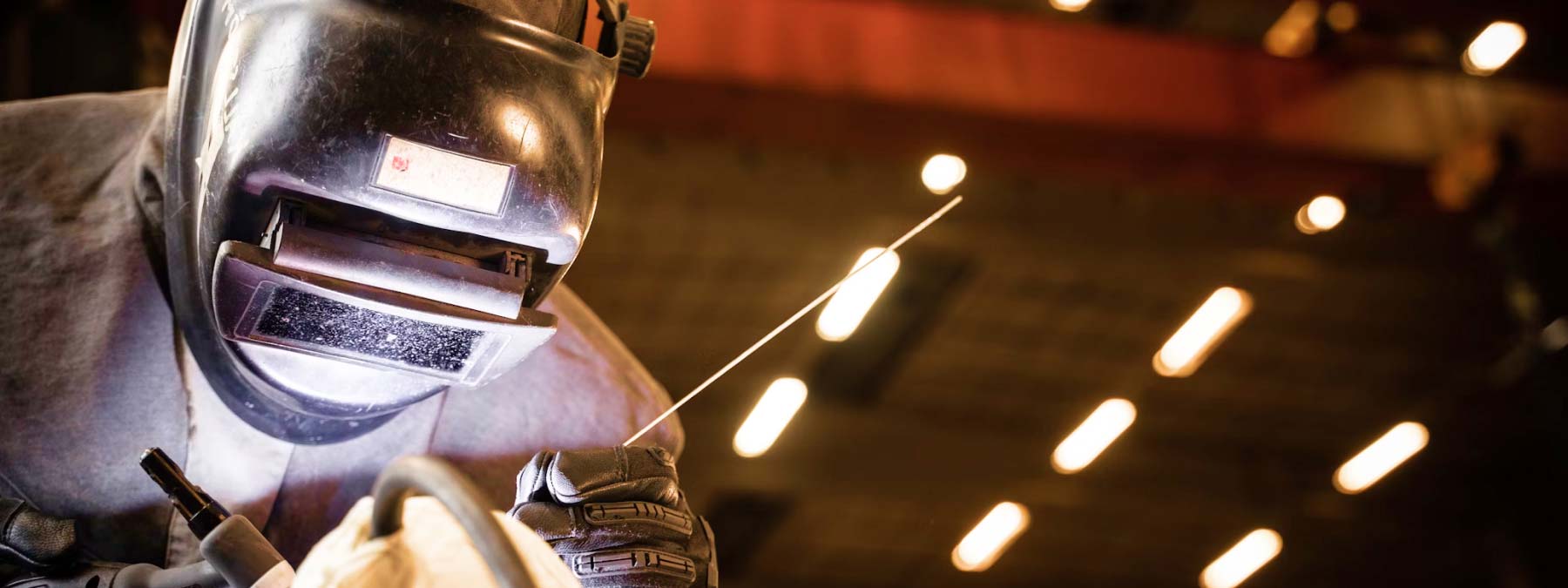
Factory welding and fabrication
Machine Structure

Frame, welded sections, shafts, bearings and maintenance access.

Factory component finishing
Core Components

Motor, reducer, blades, screens and separation equipment.

Technicians assembling industrial equipment
Assembly & Wiring

Mechanical assembly, cable routing and control-panel construction.

Technicians testing industrial recycling equipment
Material Testing

Feeding, continuous operation, output and final inspection.

Industrial factory interior
Export Packing

Protection, securing, identification and container loading.

PROJECT SUPPORT

Support from Material Evaluation to Machine Operation

Define the exact warranty, installation, documents, spare parts and response scope in the final quotation and contract.

Before Ordering

  • Material and capacity evaluation
  • Process and model recommendation
  • Voltage and site confirmation
  • Technical quotation and layout

During Production

  • Progress updates
  • Component confirmation
  • Assembly records
  • Packing-plan confirmation

Before Shipment

  • Test running
  • Material test where agreed
  • Working and inspection video
  • Documents and export packing

After Delivery

  • Installation guidance
  • Operating instructions
  • Remote technical support
  • Wear-part supply

COMMON BUYER QUESTIONS

Radiator Recycling Machine FAQs

Final performance, service scope and delivery conditions are confirmed in the technical quotation and sales contract.

No. Structure, tube spacing, deformation, attachments and target output determine whether stripping or crushing and separation is appropriate.
A stripping machine separates copper tubes from aluminum fins in larger pieces. A crushing line reduces mixed radiator scrap and separates copper, aluminum, iron and light material in stages.
Some configurations can process specific structures, but compatibility must be confirmed from tube spacing, thickness and feeding orientation.
Minor deformation may be manageable after preparation. Severely bent or compressed material generally requires a different process.
Direct stripping normally requires unsuitable headers and thick frames to be removed. A complete line may include ferrous separation.
Some can, while others use different materials and attachments. Send actual photos and dimensions for evaluation.
Performance depends on material and configuration. We do not publish a universal figure; representative material testing is the reliable basis.
Labor depends on sorting, cutting, alignment, feeding, collection and line automation. It is confirmed with the proposed layout.
Blade life depends on contamination, feeding accuracy, material hardness, operating hours and maintenance.
Yes, after the country, voltage, frequency and phase requirements are confirmed before production.
Dust management depends on the processing stages, material condition and local installation requirements.
Where testing is available, representative material can be evaluated after the sample quantity and deliverables are agreed.

EXTEND YOUR RECYCLING OPERATION

Build a More Complete Scrap-Metal Recycling Operation

Radiator recycling is often part of a wider copper and non-ferrous recovery workflow.

Industrial recycling line placeholder for radiator recycling system

Copper Wire Granulator

Process insulated cables into separated copper granules and plastic.

Industrial separation line placeholder

Dual-Shaft Shredder

Reduce bulky scrap before downstream sorting or recycling.

Technicians testing industrial recycling equipment

Motor Recycling Machine

Recover copper windings from selected motor and stator scrap.

Industrial cutting equipment

Alligator Shear

Cut long and irregular metal scrap into manageable sections.